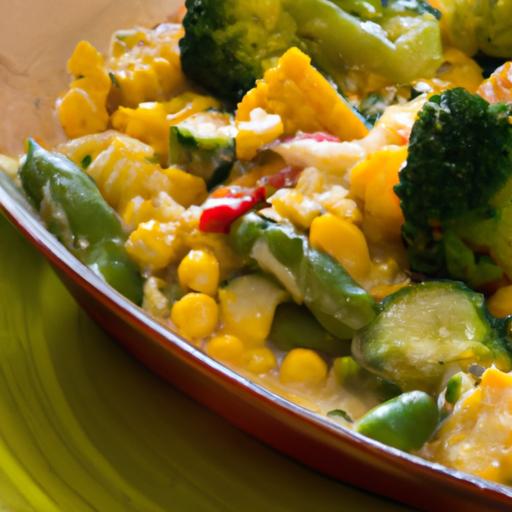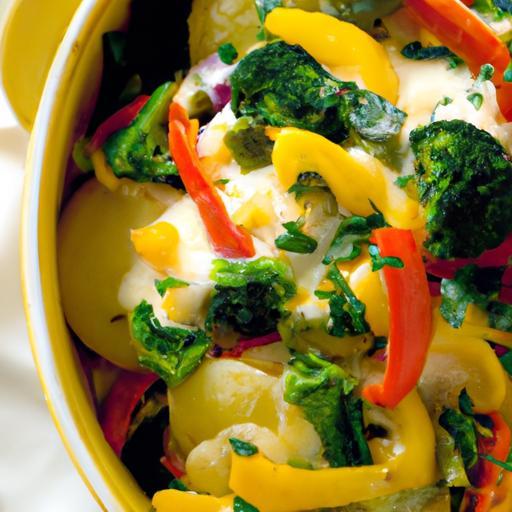

In the bustling world of home-cooked meals, casseroles stand out as the ultimate comfort food-a harmonious blend of ingredients baked to perfection, often hiding a labyrinth of nutrients beneath their golden crust. But for those striving to balance their diet with precision, deciphering the macro makeup of these complex dishes can feel like solving a savory puzzle. Welcome to the art and science of mastering macros in casseroles: where tracking protein, carbs, and fats transforms from guesswork into a mindful culinary practice. Whether you’re a nutrition novice or a seasoned meal planner, understanding how to break down these layered creations unlocks the power to enjoy every forkful with confidence and control. Let’s dive into the flavorful world of casseroles and discover how to track nutrients without losing the magic of home-cooked comfort.
Mastering Macros: Tracking Nutrients in Complex Casseroles
Mastering macros in complex casseroles unlocks a deeper appreciation for every layered bite. This rich, multi-dimensional dish marries diverse ingredients, each carrying its own nutrient story-making it essential to understand their profiles in unison. Whether you’re crafting a comforting lasagna or a vibrant vegetable bake, decoding these elements puts you in control of your healthful cooking journey.
Prep and Cook Time
Prep: 25 minutes | Cook: 45 minutes | Total: 1 hour 10 minutes
Yield
Serves 6 generous portions
Difficulty Level
Medium – perfect for cooks ready to layer flavors and nutrients with ease
Ingredients
- 1 lb lean ground turkey, 93% lean
- 2 cups cooked quinoa, fluffy and cooled
- 1 cup shredded mozzarella cheese, part-skim
- 1 cup low-fat cottage cheese
- 2 cups fresh spinach, roughly chopped
- 1 medium onion, finely diced
- 3 cloves garlic, minced
- 14 oz canned diced tomatoes, no salt added
- 1/2 cup tomato sauce, low sodium
- 1 tbsp olive oil
- 1 tsp dried oregano
- 1 tsp dried basil
- Salt and freshly ground black pepper, to taste
- Non-stick cooking spray, for the casserole dish
Instructions
- Preheat the oven to 375°F (190°C) and lightly spray a 9×13 inch casserole dish with non-stick cooking spray.
- Heat olive oil in a large skillet over medium heat. Add diced onion and sauté until translucent, about 5 minutes. Stir in minced garlic and cook for 1 more minute.
- Add ground turkey to the skillet, cooking until browned and cooked through, breaking it up as it cooks, about 7-8 minutes. Season with salt, pepper, oregano, and basil.
- Stir in canned diced tomatoes and tomato sauce, simmer gently for 10 minutes until flavors meld and excess liquid evaporates. Remove from heat.
- Begin layering: Spread half of the cooked quinoa evenly in the bottom of the casserole dish.
- Top quinoa with evenly distributed turkey-tomato mixture, then sprinkle chopped spinach over the top.
- Dollop cottage cheese across the spinach layer, then layer the remaining quinoa evenly on top.
- Finish with shredded mozzarella, covering the dish completely.
- Bake uncovered for 35-40 minutes until cheese is melted and golden and bubbling around the edges.
- Allow to cool for 5 minutes before serving to let layers set for clean portions.
Tips for Success
- Ingredient swaps: Use ground chicken or lean beef instead of turkey for different flavor profiles without sacrificing lean protein.
- Leafy greens: Kale or swiss chard can replace spinach for varied texture and antioxidants.
- Make-ahead: Assemble the casserole a day in advance, cover tightly, and refrigerate. Bake right before serving for time-saving convenience.
- Moisture control: If your tomatoes are watery, drain excess liquid before adding to prevent a soggy casserole.
- Macro Tracking Tip: To master macros in complex casseroles, weigh individual cooked components before layering for best accuracy in nutrient calculations.
Serving Suggestions
This casserole shines alongside a crisp mixed greens salad tossed with lemon vinaigrette. Garnish with fresh basil leaves and a sprinkle of freshly cracked black pepper for a restaurant-style finish. Pair with a light sparkling water infused with cucumber and mint for a refreshing counterpoint.

| Nutrient | Per Serving |
|---|---|
| Calories | 350 kcal |
| Protein | 38 g |
| Carbohydrates | 22 g |
| Fat | 10 g |
For more in-depth strategies on nutrient tracking in layered meals, explore our Guide to Accurate Nutrition Tracking. To dive deeper into macro calculations, visit the comprehensive resource at NutritionValue.org.
Q&A
Q&A: Mastering Macros-Tracking Nutrients in Complex Casseroles
Q1: Why is tracking macros in casseroles more challenging than in simpler meals?
A1: Unlike a grilled chicken breast or a simple salad, casseroles are a marriage of multiple ingredients-proteins, carbs, fats, and even sneaky extras like cheese or sauces. Each layer brings its own nutrient profile, making it tricky to pinpoint exact macros without a careful breakdown. It’s like playing nutritional detective in a savory mystery!
Q2: What’s the first step to successfully tracking macros in a casserole?
A2: Start at the source! List every ingredient and its quantity before cooking. This gives you control over the “macro mix.” Then, consult nutrition databases or use a kitchen scale to determine serving sizes. The clearer your ingredient map, the easier the path to accurate tracking.
Q3: How do cooking methods affect macro tracking?
A3: Great question! Cooking can alter nutrient content-think water evaporation concentrating calories or oils absorbed in baking. For example, sautéing veggies in olive oil ups the fat content, while baking may reduce moisture, slightly shifting carb density. Adjusting for these changes ensures your macro math stays precise.
Q4: Can digital tools help simplify the tracking process?
A4: Absolutely! Apps and software specializing in macro counting often have built-in casserole recipes or allow you to input custom ingredients. Some even let you scan barcodes or save your favorite casseroles for quick reuse. These tools transform a complex puzzle into a manageable, even fun, task.
Q5: How do portion sizes influence macro accuracy in casseroles?
A5: In a dish designed to be sliced or scooped, portion size is king. Without careful measuring, a “serving” can vary wildly-one person’s generous scoop might have double the macros of a modest slice. Using a kitchen scale or portion cups helps maintain consistency and keeps your tracking honest.
Q6: What are some common pitfalls to avoid when tracking macros in casseroles?
A6: Beware of guessing-eyeballing portions or ingredient amounts invites error. Also, don’t forget hidden ingredients like sauces, dressings, or toppings-they pack calories! Lastly, consider the diversity of ingredients: If a casserole includes mixed veggies, grains, and proteins, each needs its macro counted separately to avoid underestimating totals.
Q7: Any creative tips for keeping macro tracking enjoyable while still being precise?
A7: Turn macro tracking into a culinary experiment! Try swapping ingredients and predicting how macros will shift. Use colorful spreadsheets or journals to visualize your progress, and celebrate small victories when your macros balance perfectly. Remember, mastering macros in casseroles isn’t just science-it’s a delicious art form.
Q8: How can mastering macros in casseroles benefit overall nutrition?
A8: Casseroles often serve as comfort food, but with macro mastery, they can be nutritious powerhouses tailored to your goals. By knowing exactly what’s inside each bite, you gain control over your energy balance, support muscle growth or fat loss, and avoid pesky nutrient gaps-all while enjoying hearty, satisfying meals.
To Wrap It Up
In the end, mastering macros in complex casseroles is less about meticulous math and more about mindful enjoyment. By understanding the building blocks of your favorite layered meals-protein, carbs, and fats-you empower yourself to make informed choices without sacrificing flavor or creativity. Tracking these nutrients becomes an art, transforming each bite into a deliberate step toward your health goals. So next time you savor that hearty casserole, you’ll not only relish the taste but also appreciate the balanced synergy beneath the surface. Here’s to cooking with intention and eating with awareness-one delicious, nutrient-packed casserole at a time.