
Top Make-Ahead Keto Sides: Prep Ahead, Eat Fresh!
Make-ahead keto sides let you eat well with minimal time at the stove. They free up evening minutes while keeping meals flavorful and low in carbs.
- Why Make-Ahead Sides Matter
- Prep and Cook Time
- Yield
- Difficulty Level
- Ingredients (Example: Creamy Cauliflower Mash)
- Instructions
- Tips for Success
- Serving Suggestions
- Creative Twists on Classic Keto Sides
- Nutritional Snapshot
- Practical Storage and Reheating
- Resources and Further Reading
- Internal Guides
- FAQ
- Why choose make-ahead keto sides?
- How long do make-ahead keto sides last?
- Can I prep dairy-free versions?
- Which sides reheat best?
- How do I avoid soggy make-ahead sides?
- Final Thoughts
- Prep once, eat smart: batch-cook sides that reheat cleanly.
- Texture matters: steam, roast, or cool properly to retain structure.
- Store strategically: airtight glass containers keep flavors stable for days.
- Mix and match: rotate 3–5 sides to avoid menu fatigue.
Why Make-Ahead Sides Matter
Prepping sides ahead reduces daily decision fatigue and supports consistent macros. For people following a low-carb approach, having ready sides prevents reaching for high-carb convenience foods.
Additionally, prepping improves portion control and cuts food waste. You prepare the right amounts, then combine sides with proteins to build balanced plates quickly.
Prep and Cook Time
Preparation: 15–25 minutes, depending on chopping and mise en place. Keep tools ready: a sharp knife, food processor, and a roasting pan speed the work.
Cooking: 20–35 minutes for most sides; roasting concentrates flavor while steaming preserves color and nutrients. Total time per batch runs 35–60 minutes.
Yield
This batch-style recipe list yields about 4 servings per side when served as a complement to protein. Scale easily by doubling vegetables or fats.
For meal prep, plan 3–4 different sides for a week’s rotation to maintain variety and meet macro targets without extra effort.
Difficulty Level
Most recipes sit at an easy-to-medium skill level. Basic knife skills and temperature control deliver consistent results.
Use kitchen tools like a food processor for mash and an oven thermometer for roasting to reduce errors and speed up prep.
Ingredients (Example: Creamy Cauliflower Mash)
1 large head cauliflower, chopped into florets. Cauliflower browns well and forms a smooth mash when drained properly.
2 tbsp olive oil, divided. Olive oil adds healthy monounsaturated fat and improves mouthfeel. See olive oil for extraction basics.
4 cups fresh spinach, rinsed and dried. Spinach wilts quickly and packs micronutrients. Related info: spinach.
1 medium zucchini, diced; 1/2 cup grated Parmesan; 3 cloves garlic, minced; 1/4 cup heavy cream; 1/2 tsp smoked paprika; salt and pepper to taste; 2 tbsp fresh parsley; optional 1/4 cup toasted pine nuts.
Instructions
1. Steam the cauliflower until very tender, about 10–12 minutes. Drain completely to avoid a watery mash; use a fine-mesh sieve and let it sit briefly to shed steam.
2. In a skillet, heat 1 tbsp olive oil over medium heat. Sauté minced garlic until fragrant, about 30–60 seconds, then add diced zucchini and spinach until zucchini softens and spinach wilts, roughly 4–5 minutes.
3. Transfer cauliflower to a food processor with the sautéed vegetables, heavy cream, Parmesan, smoked paprika, salt, and pepper. Process until smooth; add a splash more cream if you need a softer texture.
4. In a small pan, heat the remaining 1 tbsp olive oil and toast pine nuts briefly, stirring constantly to prevent burning. Serve the mash warm with parsley and pine nuts for contrast.
Tips for Success
Cool foods to near-room temperature before sealing to prevent condensation and sogginess. Use shallow airtight containers to speed chilling and reduce bacterial risk.
When reheating, use low heat on the stove and stir frequently to maintain creaminess. Microwaves work for small portions but watch for hot spots and dry edges.
Store refrigerator batches for up to three days; freeze portions for up to three months if you need longer storage. Label containers with dates to rotate inventory and avoid spoilage.
Also, for high-fat sides, split portions into serving-size containers. That limits reheating cycles and keeps leftovers fresher longer.
Serving Suggestions
This cauliflower mash pairs well with grilled meats, roasted fish, or a simple pan-seared chicken breast. For contrast, add roasted Brussels sprouts or garlic green beans on the side.
Finish plates with a drizzle of extra virgin olive oil or a sprinkle of crushed red pepper for heat. Small touches like citrus zest lift flavors without adding carbs.
Creative Twists on Classic Keto Sides
Use roasted garlic in place of raw for a mellow, caramelized sweetness in mash. Alternatively, fold in crumbled bacon or feta for extra savory depth and texture.
Try turmeric or cumin for an earthy note, or stir in fresh basil or rosemary for herb-forward sides. These tweaks add variety while keeping macro balance intact.
Roasted Vegetables
Roasting concentrates sugars and delivers crisp edges, which hold up well after reheating. Cut vegetables uniformly to ensure even cooking and caramelization.
Toss with oil and seasoning, roast at 425°F (220°C) until edges brown, then cool on a rack to preserve texture before storing.
Cold Sides and Salads
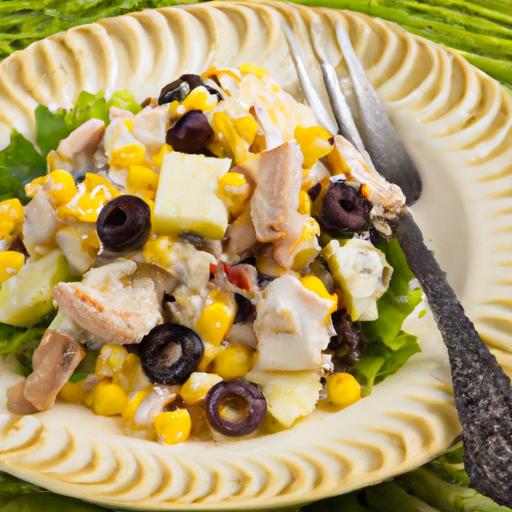
For cold make-ahead sides, choose sturdy leaves like kale or cabbage that won’t turn limp. Massage kale with acid and oil to soften it before adding other ingredients.
Keep dressings separate and add right before serving, or store salad components in layers with dressing at the bottom to maintain crunch.
Nutritional Snapshot
For the cauliflower mash example, expect about 150 kcal per serving with roughly 6 g protein, 7 g carbs (4 g net), and 12 g fat. These estimates vary with cheese and cream amounts.
Track portions to match your daily targets, especially if you monitor net carbs for ketosis. Small swaps like full-fat coconut milk can keep totals similar while changing flavor.
Practical Storage and Reheating
Use glass containers for storage; they resist staining and handle reheating safely. Label each container with preparation date and contents for quick kitchen triage.
To reheat, thaw frozen sides overnight in the refrigerator, then warm on low stove heat or in a 325°F (160°C) oven until just hot. Stir occasionally to maintain even texture.
Resources and Further Reading
For reliable background on low-carbohydrate approaches, see the ketogenic diet overview. Learn about vegetable varieties at the cauliflower page, and read about oils at the olive oil entry.
Use these resources to confirm food properties, storage safety, and nutrient profiles when you plan weekly menus.
Internal Guides
See our Ultimate Keto Meal Prep Guide for more make-ahead strategies and a full week of sample menus. Also try the Cauliflower Mash Recipe for step-by-step photos and portion tips.
These internal pages include shopping lists, printable labels, and batch scaling charts to simplify your prep routine.
FAQ
Why choose make-ahead keto sides?
They reduce daily cooking time and make it easier to stay within carb targets. Prepped sides provide reliable options that pair with proteins and keep meals balanced.
Moreover, having ready sides improves meal variety and reduces the temptation to skip meals or opt for carb-heavy convenience items.
How long do make-ahead keto sides last?
Most refrigerated sides stay good for up to three days when stored airtight. Freezing extends shelf life to about three months for many vegetable-based sides.
Always check for off-odors or visible mold before reheating, and reheat thoroughly to recommended temperatures for safety.
Can I prep dairy-free versions?
Yes. Substitute heavy cream with full-fat canned coconut milk or a nut-based cream. Adjust salt and acidity to balance the flavor.
Use nutritional yeast in place of Parmesan for a cheese-like umami without dairy, keeping fat and protein profiles similar.
Which sides reheat best?
Roasted vegetables, gratins, and dense mashes reheat well because they maintain structure. Leafy salads usually taste best when dressed fresh.
To preserve texture, reheat on low heat and add a tablespoon of liquid if the side seems dry. This restores creaminess and prevents separation.
How do I avoid soggy make-ahead sides?
Cool foods on a rack before sealing and avoid stacking hot items. For salads, keep dressings separate until serving to prevent limp greens.
Also, undercook vegetables slightly if you plan to reheat; residual heat finishes cooking and preserves bite.
Final Thoughts
Consistent prepping makes low-carb eating simple and sustainable. With the right techniques you preserve flavor, texture, and nutrition across the week.
Plan a small rotation of sides, store them smartly, and reheat gently to keep meals enjoyable and balanced. These habits deliver time savings and steady progress toward your goals.
See also: keto sides