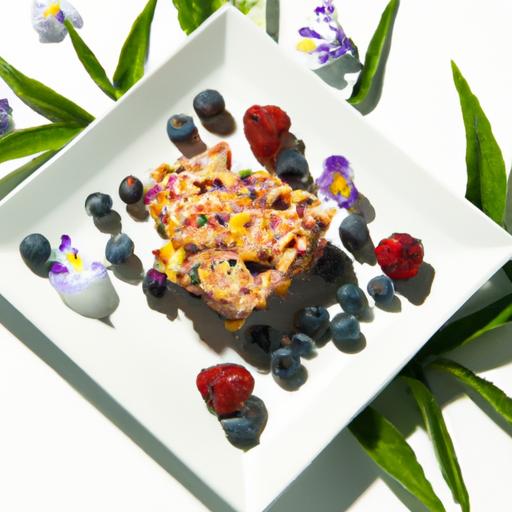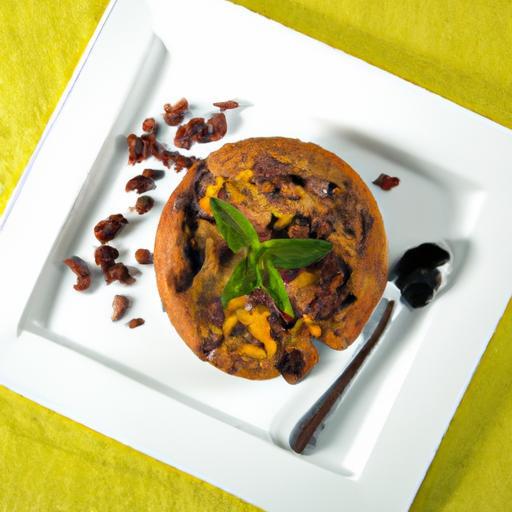

Beneath the bright, golden petals of the sunflower lies a secret treasure often overlooked-its humble seeds. Once merely a snack or bird feeder staple, sunflower seeds have taken center stage in the health and culinary worlds, and now, their finely ground form-sunflower seed flour–is emerging as nature’s nutty, nutrient-packed powerhouse. This vibrant flour not only offers a deliciously mild, slightly sweet flavor but also bursts with proteins, healthy fats, and a wealth of vitamins and minerals. As more people seek wholesome, allergy-friendly alternatives, sunflower seed flour shines as a versatile, sustainable ingredient destined to revolutionize your kitchen and nourish your body. Let’s dive deep into the story of this golden grain’s ground-up goodness and discover why it’s becoming a must-have staple for health enthusiasts and creative chefs alike.
Baking with Sunflower Seed Flour: Tips and Tricks for Perfectly Moist and Flavorful Treats
Sunflower Seed Flour is quickly becoming a beloved pantry staple for bakers eager to explore nature’s nutty, nutrient-packed powerhouse. Derived from finely ground raw sunflower seeds, this flour offers a rich, subtly sweet flavor and a unique texture that enhances the moisture and depth of your baked goods. Embracing sunflower seed flour in your baking is not only a delicious choice but also a nourishing one.
Prep and Cook Time
- Preparation Time: 15 minutes
- Cook Time: 25-30 minutes
- Total Time: 40-45 minutes
Yield
Yields 12 moist, tender muffins
Difficulty Level
Easy – perfect for bakers of all skill levels
Ingredients
- 1 ½ cups sunflower seed flour (ensure it’s finely ground for best texture)
- 1 cup gluten-free all-purpose flour (sifted)
- 1 teaspoon baking soda
- ½ teaspoon baking powder
- ¼ teaspoon fine sea salt
- 2 large eggs (room temperature)
- ½ cup creamy almond butter (or sunflower seed butter for nut-free version)
- ⅓ cup pure maple syrup or honey
- ½ cup unsweetened almond milk (or milk of choice)
- 1 teaspoon pure vanilla extract
- ½ cup fresh blueberries (optional, for bursts of freshness)
Instructions
- Preheat your oven to 350°F (175°C). Lightly grease or line a 12-cup muffin tin with paper liners.
- In a large mixing bowl, whisk together sunflower seed flour, gluten-free flour, baking soda, baking powder, and salt until evenly combined.
- In a separate bowl, beat the eggs, then whisk in almond butter, maple syrup, almond milk, and vanilla extract until silky and well incorporated.
- Slowly pour the wet ingredients into the dry and stir gently until just combined. Avoid overmixing to maintain tender crumb.
- Fold in the blueberries carefully to prevent crushing.
- Divide the batter evenly into the muffin cups, filling each about three-quarters full.
- Bake for 25-30 minutes or until a toothpick inserted into the center comes out clean and the tops are lightly golden.
- Allow muffins to cool in the tin for 10 minutes before transferring to a wire rack to cool completely.
Chef’s Notes
- Moisture magic: Sunflower seed flour naturally retains moisture thanks to its high fat content, so you can reduce added oil or butter in your recipes.
- Nut Allergy Swap: Use sunflower seed butter in place of almond butter to keep this recipe nut-free.
- Storing Tips: Store sunflower seed flour in an airtight container in the fridge to maintain freshness and prevent rancidity.
- Make Ahead: These muffins freeze beautifully. Wrap airtight and thaw at room temperature or warm gently in the oven.
- Texture Tip: If your sunflower seed flour is coarse, pulse it in a food processor before baking for a finer crumb.
Serving Suggestions
For an inviting presentation, serve these muffins warm topped with a dollop of Greek yogurt, a drizzle of raw honey, and a sprinkle of toasted sunflower seeds. Pair with a cup of herbal tea or freshly brewed coffee for a wholesome breakfast or afternoon pick-me-up. Their moist texture and subtle nutty flavor make them equally delightful beside a bowl of hearty oats or fresh seasonal fruit.
| Nutrient | Per Muffin |
|---|---|
| Calories | 180 kcal |
| Protein | 6 g |
| Carbohydrates | 20 g |
| Fat | 9 g |

For more inventive uses and nourishing recipes with sunflower seed flour, explore our Healthy Baking with Nutty Flours article. Learn about the health benefits of sunflower seeds from Healthline.
Q&A
Q&A: Sunflower Seed Flour – Nature’s Nutty, Nutrient-Packed Powerhouse
Q1: What exactly is sunflower seed flour?
A1: Sunflower seed flour is a finely ground powder made from roasted or raw sunflower seeds. It’s a vibrant, nutrient-dense alternative to traditional flours, boasting a naturally nutty flavor and a beautiful golden hue.
Q2: How does sunflower seed flour differ from other flours?
A2: Unlike wheat or even almond flours, sunflower seed flour is gluten-free and offers a unique blend of plant-based protein, healthy fats, and fiber. It has a naturally mild, nutty taste that adds depth to both sweet and savory dishes.
Q3: Why is it called a ‘nutty powerhouse’?
A3: Although sunflower seeds are technically seeds, their flavor profile carries a rich, nut-like warmth. Packed with vitamin E, magnesium, and heart-healthy fats, sunflower seed flour delivers more than just taste-it’s a nutritional dynamo.
Q4: Can sunflower seed flour be used as a 1:1 substitute for regular flour?
A4: Sunflower seed flour is versatile but behaves a little differently than wheat flour. It’s best used in combination with other gluten-free flours or in recipes that don’t rely heavily on gluten for structure (think pancakes, muffins, or cookies). Experimentation is key!
Q5: What are some creative ways to use sunflower seed flour?
A5: From adding a nutty twist to baked goods and pancakes to thickening soups or coating chicken for a crunchy crust-the uses are endless. It’s also fantastic in homemade energy bars or blended into smoothies for extra protein.
Q6: Is sunflower seed flour allergen-friendly?
A6: Great news for nut allergy sufferers! Since sunflower seed flour isn’t a tree nut, it’s often a safe alternative, though always check individual allergies and cross-contamination risks.
Q7: Where can I find sunflower seed flour?
A7: Many health food stores and online retailers now carry it, often in gluten-free sections. You can also make it at home by grinding raw or roasted sunflower seeds until they form a fine powder.
Q8: How should sunflower seed flour be stored?
A8: To maintain its freshness and prevent the healthy fats from turning rancid, keep sunflower seed flour in an airtight container stored in a cool, dark place, or better yet-refrigerate or freeze it.
Q9: What makes sunflower seed flour an eco-friendly choice?
A9: Sunflower plants are hardy and require less water and pesticides compared to some nuts and grains. Utilizing sunflower seeds for flour reduces waste and supports sustainable farming practices.
Q10: What’s the bottom line on sunflower seed flour?
A10: It’s a delightful, nutrient-packed flour alternative that adds a golden, nutty punch to your pantry. Perfect for adventurous bakers, health-conscious eaters, and those seeking gluten-free or nut-free options-it’s nature’s own powerhouse ingredient waiting to shine.
Insights and Conclusions
As we wrap up our exploration of sunflower seed flour, it’s clear that this golden powder is much more than a simple pantry staple. Bursting with nutty flavor and packed with essential nutrients, sunflower seed flour offers a versatile, wholesome alternative for bakers and health enthusiasts alike. From boosting your morning muffins to enriching savory dishes, it’s nature’s subtle powerhouse quietly waiting to elevate your culinary creations. Embracing sunflower seed flour means inviting a nourishing, sustainable ingredient into your kitchen-a small seed with mighty potential to transform the way you cook and nourish your body. So next time you’re seeking a nutritious twist or a gluten-free flourish, let sunflower seed flour take center stage and brighten your table with its vibrant, earthy charm.