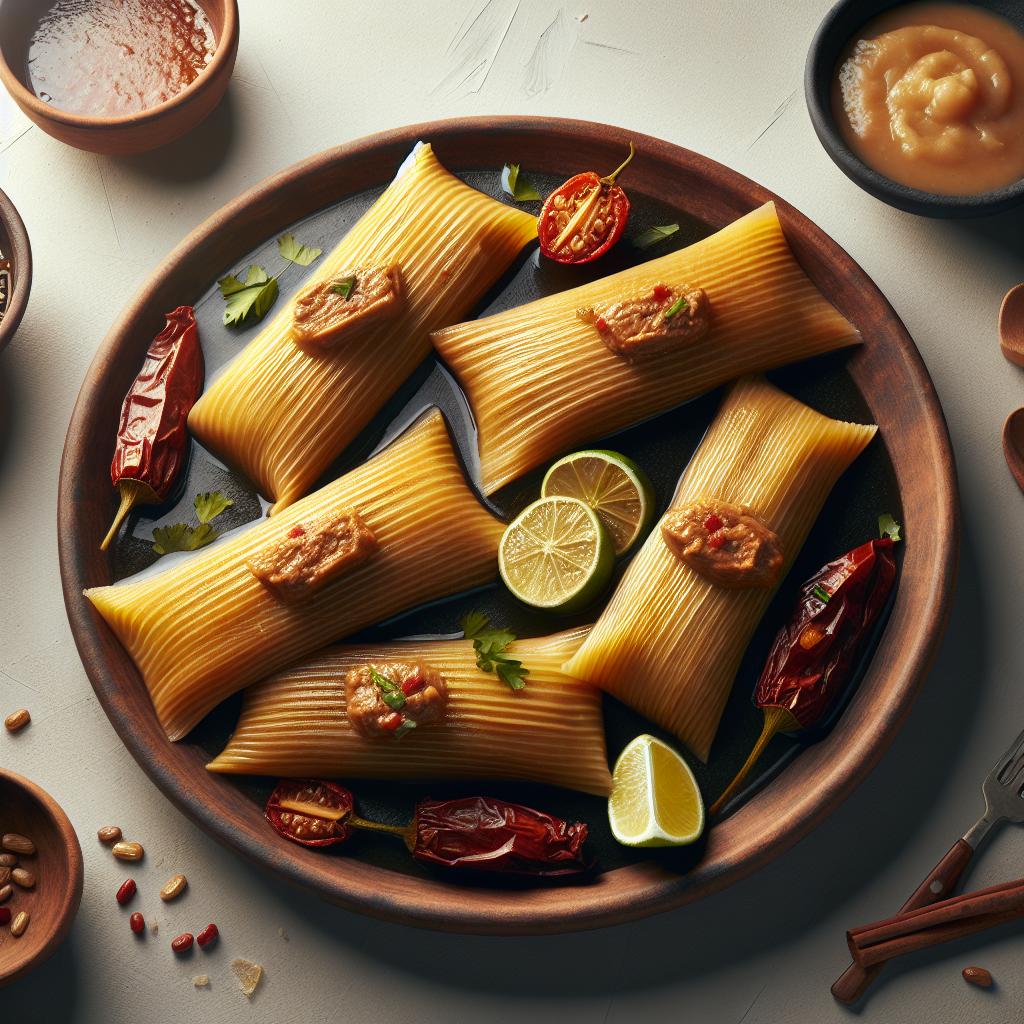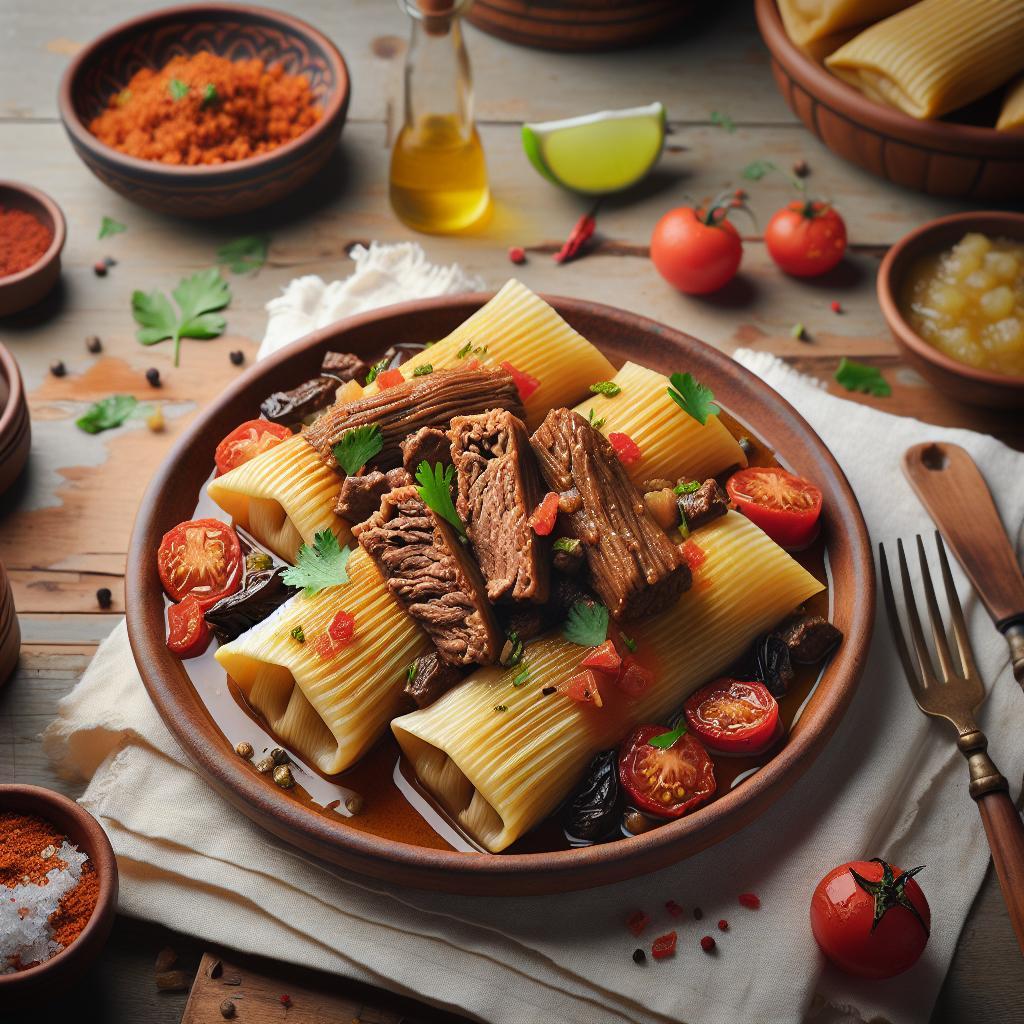

In the warm, fragrant kitchens of Mexico and beyond, the art of crafting homemade beef tamales stands as a savory tradition passed down through generations. Each tamale, wrapped lovingly in corn husks, tells a story of heritage, community, and the simple joy of sharing a meal made from scratch. But what truly makes a tamale authentic? It’s the careful balance of rich, seasoned beef, tender masa dough, and the meticulous preparation that transforms humble ingredients into a culinary celebration. Join us as we delve into the time-honored process of making beef tamales from home-a journey that honors tradition, flavors, and the timeless pleasure of savoring food made with heart.
Gathering the Finest Ingredients for True Flavor and Freshness
Crafting Authentic Homemade Beef Tamales begins with selecting the freshest, highest-quality ingredients. Each component plays a crucial role in building the complex, savory flavors that define this cherished tradition. Start with fresh masa harina, a finely ground corn flour with a slightly sweet aroma, the heart of your tamale dough. Choose grass-fed ground beef or preferably slow-cooked shredded beef brisket, ensuring rich, tender, and deeply flavored filling. Fresh ancho chiles or guajillo chiles add subtle heat and smokiness, while fresh herbs like cilantro and aromatics such as garlic and onion impart treasured depth.
Don’t overlook the importance of authentic corn husks for wrapping-they add a subtle earthiness while sealing in moisture during steaming. Soaking them properly until pliable is essential for perfectly shaped tamales that preserve their tender bite. The harmony of these ingredients, prepared thoughtfully, is what makes your tamales truly unforgettable.
Prep and Cook Time
- Preparation: 1 hour 30 minutes (includes soaking corn husks and preparing fillings)
- Cooking/Steaming: 1 hour
- Total: Approximately 2 hours 30 minutes
Yield
- Makes about 20-24 medium tamales, enough to serve a family or small gathering
Difficulty Level
- Intermediate: Requires some time and patience, but rewarding for tamale lovers
Ingredients
- For the Masa Dough:
- 4 cups masa harina (corn flour for tamales)
- 2 ½ cups chicken broth or vegetable broth, warm
- 1 ½ teaspoons baking powder
- 1 teaspoon kosher salt
- 1 cup unsalted butter, softened
- 1/2 cup vegetable oil
- For the Beef Filling:
- 2 lbs boneless beef chuck roast or brisket, trimmed
- 3 dried ancho chiles (stems and seeds removed)
- 2 dried guajillo chiles (stems and seeds removed)
- 1 medium white onion, quartered
- 4 cloves garlic, peeled
- 1 teaspoon dried oregano
- 1 teaspoon ground cumin
- Salt and freshly ground black pepper, to taste
- 2 cups beef broth
- Corn husks, soaked in warm water for 1 hour (about 30 husks)
Instructions
- Prepare the Beef Filling: In a large pot, place the beef chuck roast along with quartered onion, garlic, dried ancho and guajillo chiles, oregano, cumin, salt, and pepper. Pour 2 cups beef broth over. Cover and simmer over low heat for 2 hours or until beef is fork-tender. Let cool slightly, then shred beef with two forks, removing any fat or tough pieces. Set aside.
- Make the Chile Sauce: While beef cooks, soak dried chiles in hot water for 20 minutes until softened. Blend softened chiles with ½ cup soaking water, a clove of garlic, and a pinch of salt until smooth. Stir sauce into shredded beef until evenly coated, adjust seasoning as needed.
- Prepare Corn Husks: Soak corn husks in warm water for at least 1 hour to soften. Rinse and drain, pat dry before use.
- Mix the Masa Dough: In a large bowl, beat softened butter and vegetable oil until creamy. In a separate bowl, whisk masa harina with baking powder and salt. Gradually add masa mix and warm chicken broth to the butter mixture, beating continuously until dough is light, fluffy, and spreadable but firm enough to hold shape. (A good test is dropping a small piece of dough in cold water – if it floats, you’re ready.)
- Assemble Tamales: Spread about 3 tablespoons of masa dough evenly over the smooth side of a corn husk, leaving a 1-inch border on edges. Place 2 tablespoons of beef filling in the center. Fold sides of the husk toward the center, then fold the bottom up and secure with a strip of husk or kitchen string.
- Steam Tamales: Arrange tamales upright in a large steamer pot, with the folded end down. Cover with a damp kitchen towel and a lid. Steam over simmering water for about 1 hour, checking occasionally to ensure water does not evaporate. Tamales are done when masa easily pulls away from husk and feels tender.
- Serve Warm: Let tamales rest for 5 minutes before serving. Serve with salsa roja, guacamole, or cream for an enhanced experience.
Tips for Success
- Slow Cooking: For exceptionally tender beef, consider cooking the roast in a slow cooker on low for 6-8 hours before shredding.
- Masa Consistency: If masa feels too dry, add warm broth a tablespoon at a time; too wet, add masa harina gradually. Proper dough texture ensures a tender tamale.
- Filling Variations: Swap beef with other proteins like shredded chicken or a roasted vegetable medley, adjusting spices respectively while maintaining traditional seasoning notes.
- Make Ahead: Tamales can be assembled up to 24 hours in advance-keep refrigerated before steaming, or freeze for longer storage. Steam frozen tamales an additional 20 minutes.
- Husk Preparation: Don’t skip this step! Soft husks prevent tearing and ease wrapping-if husks dry out during prep, soak briefly again.
Serving Suggestions to Honor Tradition and Enhance Taste
Present your tamales arranged on a rustic wooden board or colorful Mexican pottery to evoke tradition. Garnish with fresh cilantro sprigs, thin slices of radish, and a wedge of lime for brightness. Pair with homemade salsa verde or a rich chipotle crema for creamy heat. Accompany your feast with Mexican street corn salad or simple refried black beans for a full celebratory meal. Whether shared at family gatherings or holiday celebrations, these tender beef tamales invite warmth, comfort, and connection with each bite.
| Nutritional Info (per tamale) | Amount |
|---|---|
| Calories | 280 kcal |
| Protein | 15 g |
| Carbohydrates | 25 g |
| Fat | 12 g |
For more on traditional Mexican dishes and mastering masa techniques, explore our in-depth recipe collection. Interested in the cultural history of tamales? Visit Smithsonian Magazine’s detailed article for fascinating insights.

Q&A
Q&A: Crafting Authentic Homemade Beef Tamales: A Savory Tradition
Q1: What makes beef tamales a cherished traditional dish?
A1: Beef tamales carry the heart and soul of generations, blending tender, slow-cooked beef with rich, spiced masa dough. Each tamale is wrapped in a corn husk, embodying a time-honored technique that connects families through shared labor and festive celebration. It’s more than food-it’s a savory story steeped in culture.
Q2: Why is masa dough essential to authentic tamales?
A2: Masa, made from finely ground corn treated with lime, transforms into a moist, pliable dough that’s key to tamales’ unique texture and flavor. It acts as the perfect vessel for savory fillings, absorbing spices and juices while providing a comforting, slightly sweet backdrop to the hearty beef inside.
Q3: How do you prepare beef for tamales to achieve maximum tenderness?
A3: The magic lies in slow-cooking – simmering beef chuck or brisket gently with aromatic spices like cumin, garlic, and chilies until it falls apart effortlessly. This results in juicy, richly flavored shredded beef that melds beautifully into the masa.
Q4: What are the traditional spices and ingredients used in beef tamale filling?
A4: A blend of chilies such as ancho or guajillo, cumin, garlic, oregano, and sometimes a hint of smoked paprika create a deep, smoky warmth. Together they enhance the beef’s natural richness without overpowering, delivering a balanced, savory punch.
Q5: How do you assemble tamales for authentic results?
A5: Spread a thin layer of masa onto soaked corn husks, add a generous spoonful of beef filling, then fold the husk carefully to enclose the mixture. The folding technique ensures even cooking and prevents the tamales from drying out or falling apart-an art passed down through generations.
Q6: What is the best way to cook tamales at home?
A6: Steaming is the traditional and most effective method. Arrange tamales upright in a steamer basket over boiling water, cover tightly, and steam for about 90 minutes, or until the masa is firm and easily separates from the husks – the telltale sign of perfectly cooked tamales.
Q7: Can tamales be prepared ahead of time?
A7: Absolutely! Tamales freeze beautifully before or after cooking, making them ideal for festive gatherings or a ready-to-enjoy homemade treat anytime. Just thaw and steam to reheat, preserving that authentic freshness.
Q8: Are there any tips for ensuring creamy, non-dry masa?
A8: Yes! Be sure to whip the masa with warm broth (often beef broth for tamales) and lard or vegetable shortening until light and fluffy. This aeration step creates an irresistibly soft texture that contrasts nicely with the hearty filling.
Q9: How important are corn husks, and can they be substituted?
A9: Corn husks are crucial for authentic flavor and traditional presentation. They impart a subtle earthiness and allow steam to circulate evenly during cooking. While some try banana leaves elsewhere, for genuine beef tamales, corn husks are the gold standard.
Q10: What cultural significance do beef tamales hold?
A10: Beyond their delicious taste, beef tamales symbolize community, celebration, and heritage. Preparing tamales is often a shared family ritual, especially during holidays and special occasions, reflecting hospitality, love, and respect for tradition that feeds both body and soul.
Future Outlook
As the golden tamales emerge from their steaming embrace, each bite tells a story-of time-honored techniques, rich family traditions, and the simple joy found in crafting something truly authentic by hand. Making homemade beef tamales is more than a culinary endeavor; it’s a savory journey that connects us to roots deeper than the masa in our palms. So, whether you’re wrapping your first tamal or refining your folding finesse, remember that every step carries the spirit of generations past and the promise of shared meals yet to come. Embrace the process, savor the flavors, and keep this delicious tradition alive one tamal at a time.