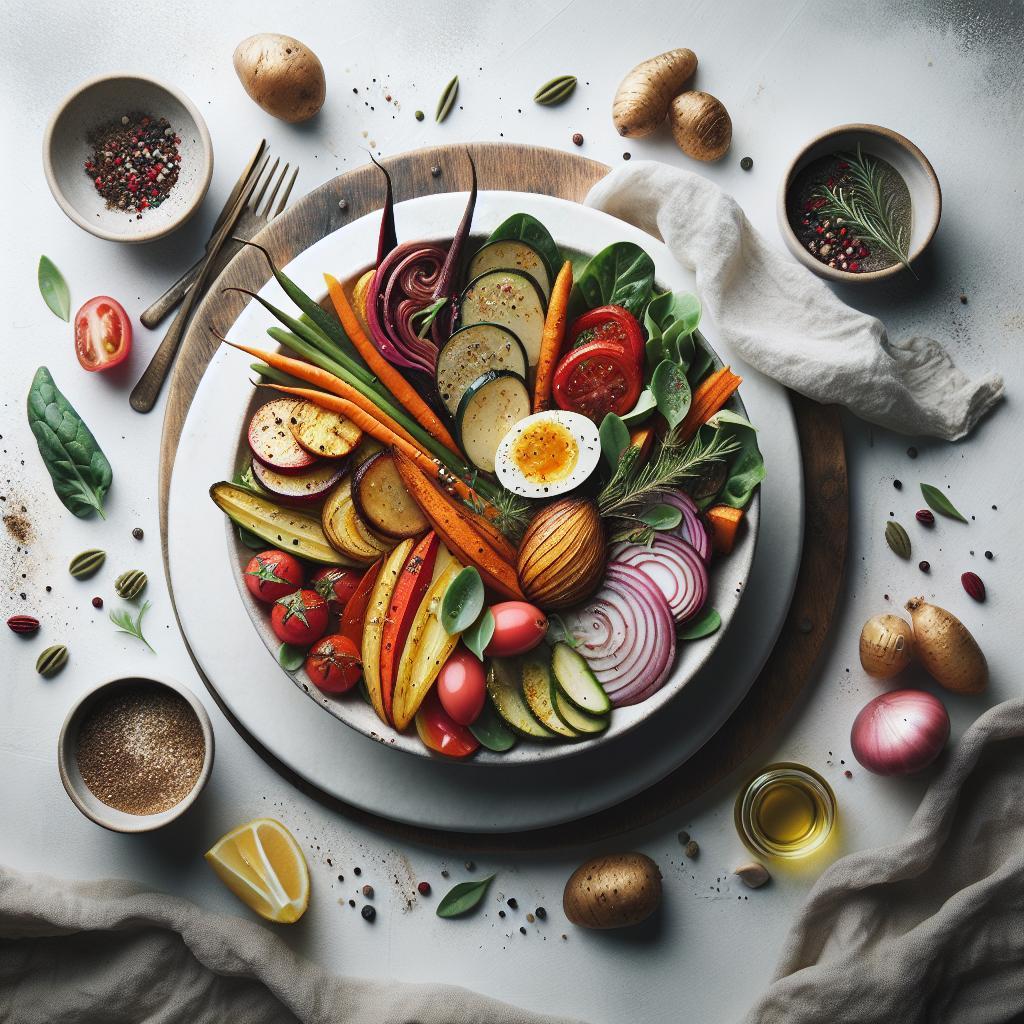

As autumn’s golden hues paint the landscape, the humble roots underground begin their slow, sweet transformation-waiting to be unearthed and celebrated. Welcome to the art of Harvest Harmony, where the rustic charm of roasted root vegetables meets the precision of perfect seasoning and balance. In this article, we’ll journey beneath the surface to explore how to craft a roasted root bowl that sings with flavor, texture, and earthy warmth. From selecting the ideal medley of carrots, beets, and parsnips to mastering roasting techniques that coax out their natural sugars, prepare to elevate simple ingredients into a vibrant meal that captures the very essence of the harvest season.
Harvest Harmony: Crafting the Perfect Roasted Root Bowl
Harvest Harmony is the celebration of nature’s bounty, blending the rustic charm of seasonal roots with the transformative magic of roasting. This dish is a testament to how humble vegetables, when carefully chosen and expertly prepared, can deliver layers of flavor that are both comforting and exhilarating. Imagine the sweet earthiness of golden beets, the creamy softness of roasted parsnips, and the gentle bite of carrots coming together in perfect accord. This bowl is more than food-it’s a sensory journey through fall’s rich palette, designed to nourish body and soul.
Prep and Cook Time
- Preparation: 20 minutes
- Roasting: 40 minutes
- Total Time: 1 hour
Yield
Serves 4 hearty portions
Difficulty Level
Medium – Perfect for home cooks ready to deepen their technique
Ingredients
- 2 large golden beets, peeled and cut into 1-inch chunks
- 3 medium carrots, peeled and sliced diagonally
- 2 parsnips, peeled and cut into 1-inch pieces
- 1 small kohlrabi, peeled and cubed
- 3 tbsp extra-virgin olive oil
- 2 tsp fresh thyme leaves, finely chopped
- 1 tsp smoked paprika
- Salt and freshly cracked black pepper, to taste
- 2 tbsp toasted pumpkin seeds for garnish
- 1/4 cup finely chopped fresh parsley
- For the dressing:
- 3 tbsp tahini
- 1 tbsp lemon juice
- 1 tsp maple syrup
- Water to thin as needed
- Pinch of sea salt
Instructions
- Preheat your oven to 425°F (220°C). Lining a large baking sheet with parchment paper or a silicone mat will ensure easy clean-up and even roasting.
- Prepare the roots by peeling and cutting the golden beets, carrots, parsnips, and kohlrabi into uniform chunks. This ensures every piece cooks evenly and caramelizes beautifully.
- In a large bowl, toss the roots with the olive oil, fresh thyme, smoked paprika, salt, and black pepper. Make sure every piece is generously coated with oil and seasoning to enhance caramelization.
- Spread the vegetables out in a single layer on the baking sheet, giving them enough space to roast rather than steam. Overcrowding will inhibit browning, which is essential for that deep, sweet flavor.
- Roast for 40 minutes, flipping once halfway through. Keep a watchful eye on the edges as the sugars start to caramelize-the roots should be tender with golden, crisp edges.
- While the roots roast, prepare the tahini dressing by whisking together tahini, lemon juice, maple syrup, salt, and enough water to create a smooth, pourable consistency.
- Once the roots are out of the oven, transfer to a serving bowl, gently tossing with the chopped parsley to introduce a fresh, herbaceous note.
- Lightly drizzle the tahini dressing over the bowl and sprinkle toasted pumpkin seeds on top for crunch and an earthy finish.
- Serve warm and watch as the balance of deep caramel flavors, fresh herbs, and nutty accents delivers the perfect harmony in every bite.
Tips for Success
- Choosing Roots: Select roots that are firm and blemish-free for optimal flavor and texture. Early-season beets tend to be sweeter, while late-season offer stronger earthiness.
- Roasting Temperature: High heat is key. Roast at 425°F to maximize browning without drying out the vegetables.
- Uniform Cutting: Cutting all roots similarly ensures even roasting-avoid mixing very large and very small pieces.
- Make-Ahead Tip: Roots can be roasted up to a day before serving. Store cooled roots in an airtight container and gently reheat at 350°F for 10 minutes before garnishing.
- Variations: Swap kohlrabi with sweet potatoes or rutabagas based on seasonal availability.
- Balancing Flavors: Add a handful of dried cranberries or pomegranate seeds when serving for a pop of tartness that cuts through the sweetness.
Serving Suggestions
A thoughtfully plated roasted root bowl shines when paired with fresh, crunchy elements and cooling contrasts. Serve as a hearty vegetarian main or alongside a bright quinoa salad for variety. Garnish with microgreens or arugula to introduce a peppery freshness. For an extra vibrant touch, a sprinkle of toasted sesame seeds or a zest of lemon will invigorate the dish visually and on the palate.
To really elevate your presentation, arrange the roots by color-golden yellows, vibrant oranges, and pastel whites in concentric circles-for a visually stunning Harvest Harmony. Accompany with crusty artisan bread to sop up the luscious tahini dressing, and don’t hesitate to offer an extra drizzle of dressing at the table.

| Nutrient | Per Serving |
|---|---|
| Calories | 210 kcal |
| Protein | 4 g |
| Carbohydrates | 30 g |
| Fat | 9 g |
Explore our seasonal vegan recipes for more inspiring vegetable bowls that celebrate nature’s gifts. For an in-depth understanding of root vegetable nutrition and seasonal selection, visit USDA Food and Nutrition Service.
Q&A
Q&A: Harvest Harmony: Crafting the Perfect Roasted Root Bowl
Q1: What makes a roasted root bowl a perfect autumn meal?
A1: A roasted root bowl captures the essence of autumn’s bounty, offering a warm, earthy, and comforting blend of textures and flavors. The natural sweetness of roasted roots like carrots, beets, and parsnips harmonizes with herbs and spices, creating a symphony of tastes that celebrate the season’s harvest.
Q2: Which root vegetables work best for roasting in this bowl?
A2: A medley of roots like sweet potatoes, golden beets, carrots, parsnips, turnips, and rutabagas works beautifully. Their firm textures caramelize perfectly in the oven, developing rich, deep flavors that anchor the bowl.
Q3: How can I ensure even cooking of all the root vegetables?
A3: Since root vegetables vary in density and size, cutting them into uniform pieces is crucial. Also, start roasting denser roots like beets first, then add quicker-cooking items like carrots or sweet potatoes partway through to achieve a perfect tender bite throughout.
Q4: What flavor boosters elevate a roasted root bowl without overpowering the natural taste?
A4: Fresh herbs such as rosemary, thyme, and sage bring aromatic depth. A drizzle of maple syrup or a sprinkle of smoked paprika can add subtle sweetness or smoky warmth. Finishing with a squeeze of fresh lemon juice or a splash of balsamic vinegar brightens the dish with vibrant contrast.
Q5: Can you suggest plant-based protein options to complement the roasted roots?
A5: Absolutely! Roasted chickpeas, spiced lentils, or toasted nuts like walnuts or pecans add satisfying crunch and protein. A dollop of creamy tahini or a side of quinoa also infuse the bowl with earthy richness and nutritional balance.
Q6: How do you create a visually appealing roasted root bowl?
A6: Layer vibrant colors by combining purple beets, orange carrots, golden sweet potatoes, and white parsnips. Scatter fresh herbs and seeds on top, and arrange ingredients thoughtfully-think contrasting colors and shapes-to make the bowl as inviting to the eye as it is to the palate.
Q7: Is it possible to prepare the roasted root bowl ahead of time?
A7: Yes! You can roast all components a day or two in advance and store them in airtight containers. When ready to serve, gently reheat and add fresh toppings or dressings to revive the bowl’s freshness and texture.
Q8: What kind of dressing pairs well with a roasted root bowl?
A8: Tangy, bright dressings work wonders. Consider a lemon-tahini dressing, a zesty mustard vinaigrette, or a simple olive oil and apple cider vinegar drizzle to complement and enhance the earthy roasted flavors without overshadowing them.
Q9: Can this bowl be adapted for different dietary preferences?
A9: Definitely! The roasted root bowl is naturally gluten-free and vegan-friendly. For added richness, you might stir in some nut-based cheeses or plant-based yogurts. Adjust spices and toppings to suit your taste and dietary needs, making it a versatile, nourishing dish.
Q10: What’s the key to achieving that perfect, caramelized exterior on roasted roots?
A10: High heat is essential-roast at around 425°F (220°C) to encourage Maillard browning. Avoid overcrowding the pan so roots can roast instead of steam, and toss them with just the right amount of oil to ensure they crisp beautifully while remaining tender inside.
The Conclusion
As the final steam rises from your perfectly roasted root bowl, you’re not just serving a meal-you’re presenting a symphony of earth’s flavors, nurtured by sunlight and soil, transformed by heat and harmony. Crafting this humble dish is an ode to patience, balance, and the vibrant textures hidden beneath the surface of everyday roots. Whether enjoyed solo or shared around a bustling table, your Harvest Harmony bowl celebrates nature’s bounty in every tender, caramelized bite. So next time the harvest whispers its call, remember: the perfect roasted root bowl isn’t just food-it’s a chorus of comfort, color, and creativity on your plate.