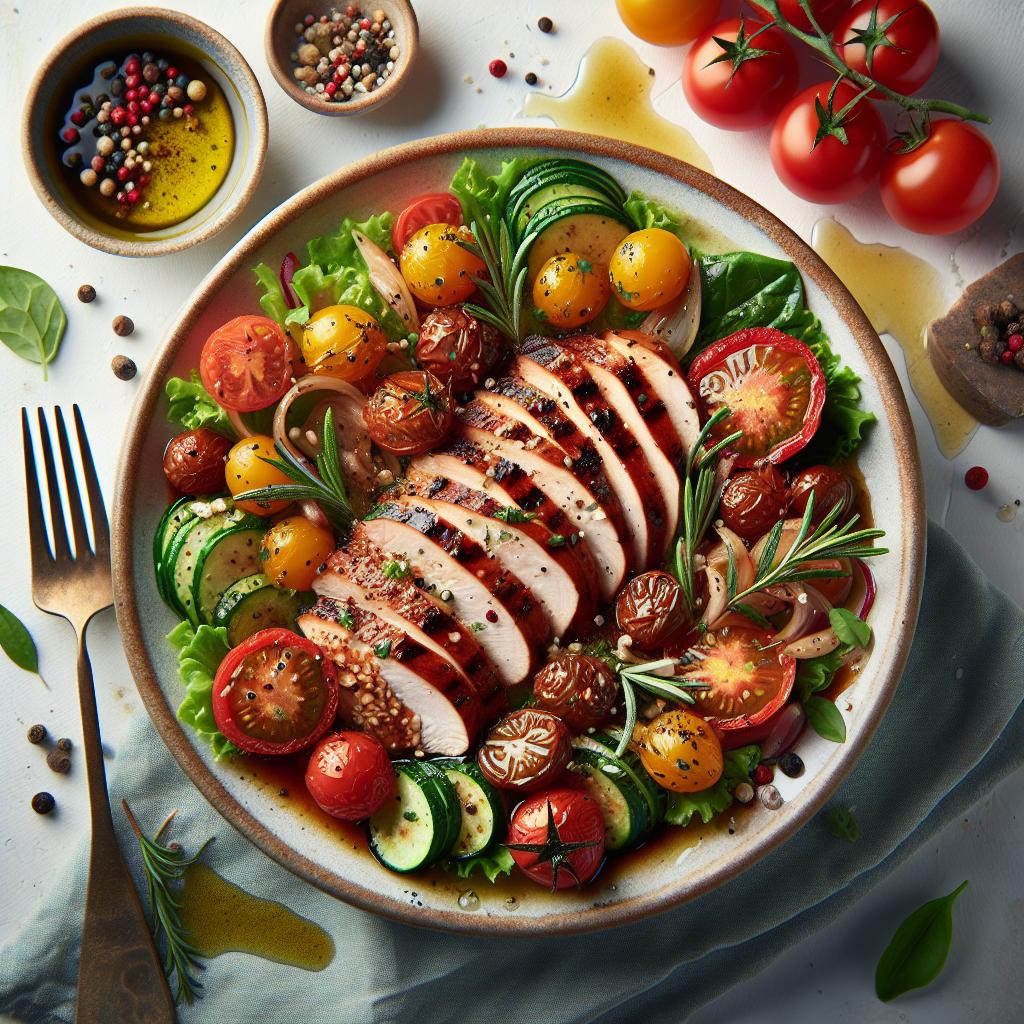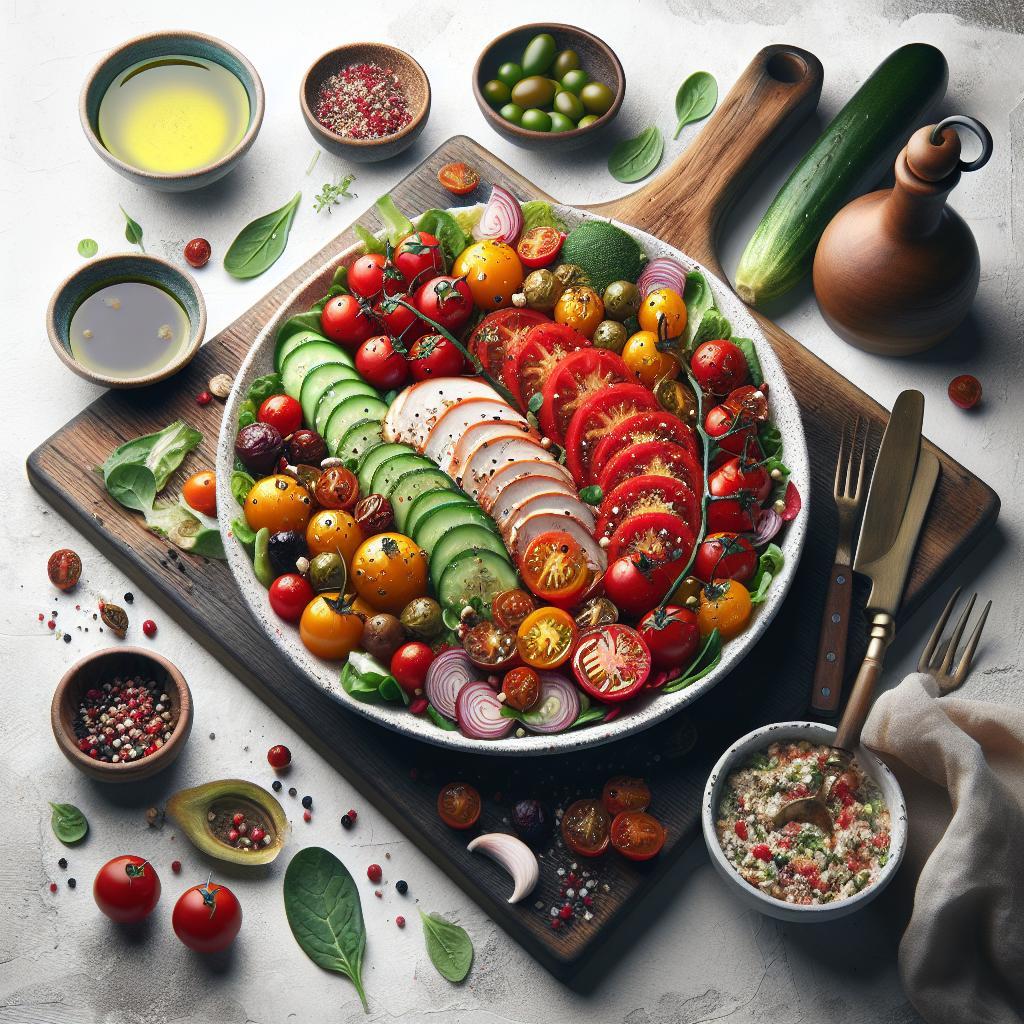

Beneath the warm, golden sun of the Mediterranean, where ancient soils meet vibrant traditions, a remarkable fruit thrives: the Turkey tomato. This succulent jewel, bursting with rich flavors and a vibrant hue, is more than just a culinary ingredient-it’s a celebration of nature’s bounty and centuries-old cultivation. In this article, we’ll explore the Turkey tomato’s journey from garden to table, uncovering what makes it a juicy delight that captures the essence of Mediterranean charm and invites food lovers everywhere to savor a taste of sunshine in every bite.
Turkey Tomato unlocks a vibrant world of flavor rooted deeply in Mediterranean tradition. Revered for its luscious juiciness and unique appearance-akin to the rich foliage of a wild turkey’s feather-the Turkey Tomato adds a burst of sunshine to every dish, whether fresh from garden soil or carefully crafted into a Mediterranean-inspired recipe. Journey with me as we explore its origins, bountiful nutritional benefits, and expert tips for home cultivation and selection, ensuring you bring this delightful fruit to your table with confidence.
Prep and Cook Time
Preparation: 15 minutes | Cooking: 25 minutes | Total: 40 minutes
Yield
Serves 4 hearty portions
Difficulty Level
Medium – perfect for enthusiastic home cooks eager to explore Mediterranean flavors
Ingredients
- 4 Turkey tomatoes, medium-large, ripe yet firm
- 2 tablespoons extra virgin olive oil
- 1 medium onion, finely diced
- 3 cloves garlic, minced
- 1 cup cooked quinoa or couscous (optional for stuffing)
- ½ cup crumbled feta cheese (optional, omit for vegan)
- ¼ cup fresh parsley, chopped
- 1 teaspoon dried oregano
- Salt and freshly ground black pepper, to taste
- Juice of half a lemon
- ½ teaspoon smoked paprika
- 1 cup low-sodium vegetable broth
Instructions
- Preheat your oven to 375°F (190°C). Slice off the tops of the Turkey tomatoes and carefully scoop out the pulp, leaving a sturdy shell. Set the pulp aside for use in the filling.
- Heat olive oil in a skillet over medium heat. Add diced onion and sauté until translucent and fragrant, about 5 minutes.
- Add minced garlic and cook for another minute, stirring constantly to prevent burning.
- Pour the reserved tomato pulp into the skillet, breaking it up with your spoon. Allow the mixture to simmer gently for 8-10 minutes, stirring regularly until it thickens slightly.
- In a mixing bowl, combine the tomato mixture, cooked quinoa or couscous, crumbled feta, chopped parsley, dried oregano, smoked paprika, lemon juice, salt, and pepper. Adjust seasoning to taste.
- Stuff each Turkey tomato with the vibrant filling, pressing lightly to pack it in without tearing the shells.
- Arrange stuffed tomatoes in a greased baking dish. Pour vegetable broth around them to keep the fruits moist during baking.
- Bake uncovered for 20-25 minutes, until the tomatoes are tender but still hold shape and the filling is heated through.
- Remove from oven and allow to rest for 5 minutes before serving, letting flavors meld beautifully.
Chef’s Notes
- Variation: Switch the quinoa for gluten-free rice or bulgur for different textures while maintaining Mediterranean authenticity.
- Vegan option: Substitute feta with toasted pine nuts or vegan cheese to keep that nutty, creamy element.
- Storage: Store leftover stuffed Turkey tomatoes in an airtight container in the refrigerator for up to 3 days. Reheat gently with a splash of vegetable broth or water to retain moisture.
- Tip: If your Turkey tomatoes are slightly underripe, briefly blanch them in boiling water to soften before stuffing.
Serving Suggestions
Present the stuffed Turkey tomatoes atop a bed of fresh arugula drizzled with balsamic reduction for an elegant Mediterranean touch. Garnish with extra chopped parsley, a sprinkle of paprika, and a wedge of lemon on the side to brighten each bite. These tomatoes pair beautifully with warm, crusty bread or a chilled souvenir of Greek-inspired hummus for a complete garden-to-table experience.
| Nutrient | Amount per Serving |
|---|---|
| Calories | 180 kcal |
| Protein | 6 g |
| Carbohydrates | 22 g |
| Fat | 7 g |
Expert Tips for Selecting and Storing Turkey Tomatoes
When choosing Turkey tomatoes, look for fruits with vibrant colors blending reds, yellows, and deep greens that indicate freshness and ripeness. Their surface should be firm but yield slightly under gentle pressure-too soft can mean overripeness and mushiness, which will affect cooking texture. Avoid blemished or cracked berries to ensure longevity.
At home, store Turkey tomatoes at room temperature away from direct sunlight if you plan to use them within 2-3 days. For longer storage, refrigeration slows ripening but may slightly dull their flavor. Before using refrigerated tomatoes, let them come back to room temperature to recapture their bright essence.
For more detailed home gardening advice, check out our Mediterranean tomato cultivation guide. For deep dives into Mediterranean produce benefits, the Medical News Today overview offers superb insights.

Q&A
Q&A: Turkey Tomato: A Juicy Delight from the Mediterranean Garden
Q1: What is the Turkey tomato, and how did it get its name?
A1: The Turkey tomato is a variety of tomato known for its plump, juicy fruits and vibrant red color. Despite its name, it isn’t directly related to the bird. Instead, the name is thought to tie back to the Mediterranean region’s rich agricultural history, where “Turkey” might reference old trade routes or cultural exchanges that brought this delightful fruit to wider recognition.
Q2: What distinguishes the Turkey tomato from other tomato varieties?
A2: Turkey tomatoes stand out due to their perfect balance of sweetness and acidity, offering a burst of flavor with each bite. Their flesh is thick and meaty with few seeds, making them ideal not only for fresh eating but also for Mediterranean-style cooking where texture and taste are paramount.
Q3: How is the Turkey tomato typically grown in Mediterranean gardens?
A3: In Mediterranean gardens, Turkey tomatoes thrive under warm, sunny conditions and well-drained soil. They are often cultivated using traditional methods, such as staking or trellising, to support their vigorous vines. Regular watering, combined with a sprinkle of organic compost, helps produce their signature juiciness.
Q4: What are some popular culinary uses for Turkey tomatoes?
A4: Turkey tomatoes are incredibly versatile. They shine in fresh salads dressed with olive oil and herbs, enrich hearty vegetable stews, and add vibrant color to Mediterranean salsas. Their juicy flesh also makes them perfect for roasting or stuffing with rice and herbs for a delectable dish that celebrates rustic flavors.
Q5: Can Turkey tomatoes be a part of a healthy diet?
A5: Absolutely! Turkey tomatoes are low in calories but rich in vitamins A and C, antioxidants, and dietary fiber. Their natural juices support hydration and offer a refreshing way to boost your nutrient intake, making them a smart and flavorful addition to any health-conscious kitchen.
Q6: Are there any traditional Mediterranean dishes that highlight Turkey tomatoes?
A6: Yes, many traditional Mediterranean recipes bring Turkey tomatoes to the forefront. From a classic Greek salad sprinkled with fresh oregano, to Sicilian caponata featuring this tomato’s sweet tanginess, these dishes celebrate the tomato’s central role in Mediterranean culinary heritage.
Q7: How can one harvest and store Turkey tomatoes to maintain their quality?
A7: Harvest Turkey tomatoes when they reach a deep red hue and feel slightly soft to the touch, signaling peak ripeness. Store them at room temperature away from direct sunlight to preserve their flavor and juiciness. Refrigeration is best avoided unless they are very ripe and need to be used soon.
Q8: What makes the Turkey tomato an emblematic fruit of the Mediterranean garden?
A8: The Turkey tomato embodies the essence of the Mediterranean garden-sun-kissed, robust, and full of life. Its vibrant color and lush flavor capture the spirit of the region’s culinary traditions and agricultural bounty, making it a symbol of both nature’s generosity and cultural richness.
Insights and Conclusions
As the sun-kissed lands of the Mediterranean continue to inspire farmers and food lovers alike, the Turkey tomato stands out as a vibrant emblem of this rich agricultural heritage. Bursting with juicy sweetness and a subtle tang, this remarkable fruit brings a splash of garden freshness to tables worldwide. Whether nestled in a rustic salad, roasted to perfection, or simply savored fresh, the Turkey tomato is more than just a fruit-it’s a delicious journey into the heart of Mediterranean flavor. Embracing this juicy delight not only enriches our meals but also connects us to a timeless tradition of cultivation and taste. So next time you seek a lively, wholesome bite, let the Turkey tomato transport you to sunlit groves where every harvest tells a story.