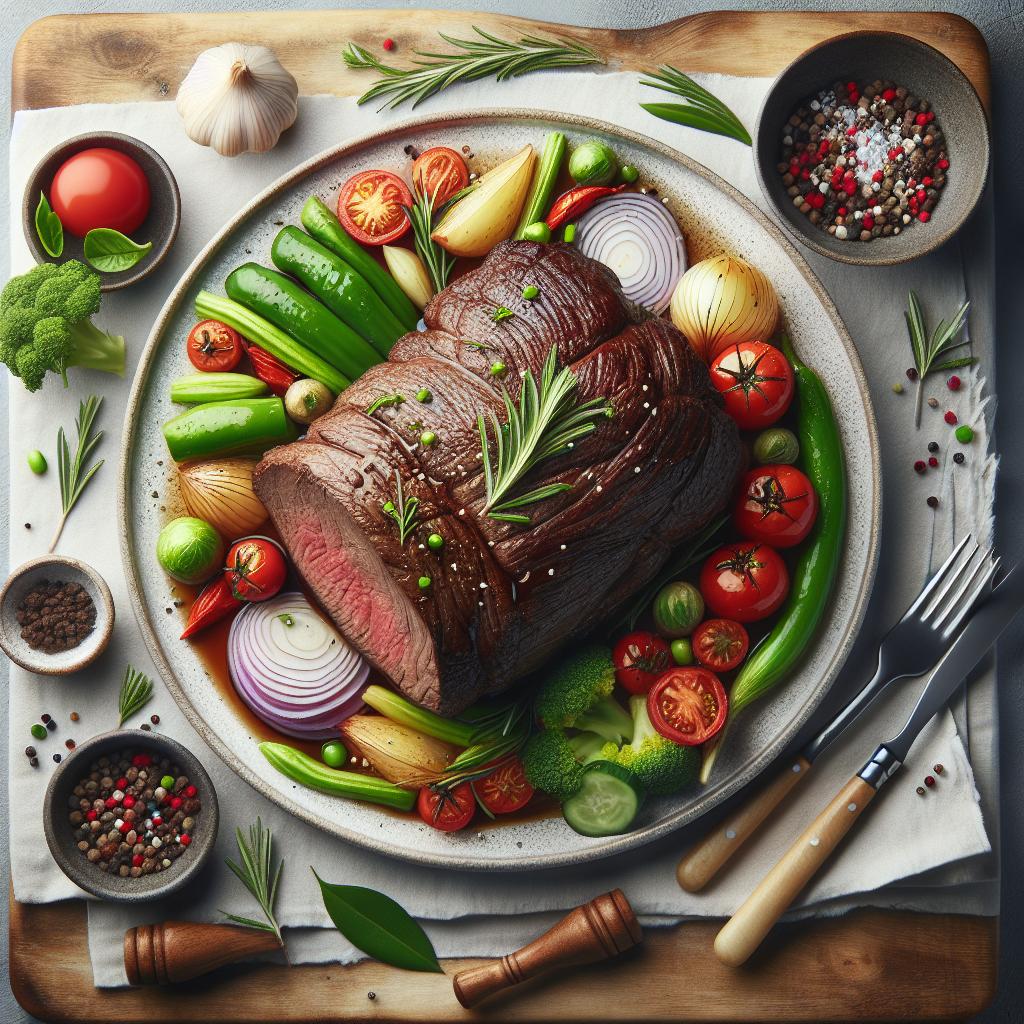

There’s something undeniably comforting about the aroma of a perfectly roasted beef filling the kitchen-an edible promise of warmth, flavor, and shared moments around the table. But achieving that tender, juicy roast that’s both succulent and richly browned can feel like an elusive culinary art. Fear not. Whether you’re a seasoned home cook or an eager beginner, mastering the perfect beef roast is within your grasp. In this article, we’ll unveil essential tips and techniques to help you unlock the secrets of juicy success, ensuring every roast you prepare becomes a masterpiece worthy of celebration.
Mastering the Perfect Beef Roast: Tips for Juicy Success
Mastering the perfect beef roast begins with an understanding of the essential elements that transform a simple cut into a culinary masterpiece. Whether it’s a cherished family tradition or a new weekend indulgence, each step-from choosing the best cut to resting and carving-ensures a tender, flavorful centerpiece that satisfies every craving. This post will guide you through selecting the ideal beef cut, unlocking marinades bursting with depth, and harnessing precise temperature control to achieve succulent, evenly cooked perfection.
Prep and Cook Time
- Preparation: 20 minutes
- Marinating (optional but recommended): 4 to 12 hours
- Cooking: 1.5 to 2 hours (depending on size and cut)
- Resting: 15 to 20 minutes
- Total Time: Approximately 3 to 4 hours
Yield
Serves 6-8 people generously
Difficulty Level
Medium – Requires attentive temperature control and resting for optimal results
Ingredients
- 3 to 4 pounds beef roast (see tips below for cut selection)
- 3 tablespoons olive oil
- 4 cloves garlic, minced
- 2 teaspoons coarse sea salt
- 1 teaspoon freshly cracked black pepper
- 2 teaspoons smoked paprika
- 1 tablespoon fresh rosemary, finely chopped
- 1 tablespoon fresh thyme leaves
- 1/2 cup beef broth or low-sodium stock
- 1 tablespoon Dijon mustard (optional, for marinade depth)
- 1 tablespoon balsamic vinegar (for marinade)
Instructions
- Choose Your Cut: Opt for a ribeye roast or a top sirloin for tender, flavorful results. These cuts balance marbling and muscle structure, giving you juicy bites every time.
- Prepare the Marinade: In a bowl, whisk together olive oil, garlic, salt, pepper, smoked paprika, rosemary, thyme, Dijon mustard, and balsamic vinegar. This marinade accentuates the beef’s natural flavors and tenderizes the meat beautifully.
- Marinate the Roast: Place your beef roast in a large resealable bag or a shallow dish. Pour the marinade over, ensuring every surface is coated. Seal and refrigerate for at least 4 hours, ideally overnight, turning occasionally.
- Preheat Your Oven: Set the oven to 325°F (160°C). This moderate temperature ensures even cooking without drying out the beef.
- Sear the Roast: In a heavy skillet over medium-high heat, sear the beef roast on all sides until a rich, golden crust forms-about 3 minutes per side. This caramelization locks in the juices and creates visual allure.
- Roast to Perfection: Transfer the roast to a rack in a roasting pan. Insert a meat thermometer into the thickest part. Pour beef broth around the pan base to keep moisture steady. Roast for 1.5-2 hours or until the internal temperature reaches 130°F (54°C) for medium-rare, or 140°F (60°C) for medium.
- Let It Rest: Remove the beef from the oven, tent it loosely with foil, and rest for 15-20 minutes. This step allows juices to redistribute evenly, preserving the roast’s perfect juiciness.
- Carving Techniques: Use a sharp chef’s knife to slice the beef thinly against the grain. This ensures every bite is tender and easy to savour.
Tips for Success
- Cut Selection: For rich marbling and tender textures, prime ribeye or sirloin tip roast excel. Avoid leaner cuts like chuck without proper long marinating or slow cooking.
- Marinade Magic: Don’t skip the bold, fresh herbs and garlic. These aromatics infuse the meat and elevate natural umami flavors perfectly.
- Temperature Focus: Invest in a reliable digital meat thermometer-monitor internal temp closely to avoid overcooking.
- Resting Time: Never rush this phase. Resting seals in juices that started flowing from the searing and roasting process.
- Make-Ahead: You can marinate up to 24 hours ahead and let the roast come to room temperature for 30 minutes before cooking-for a more even cook.
Serving Suggestions
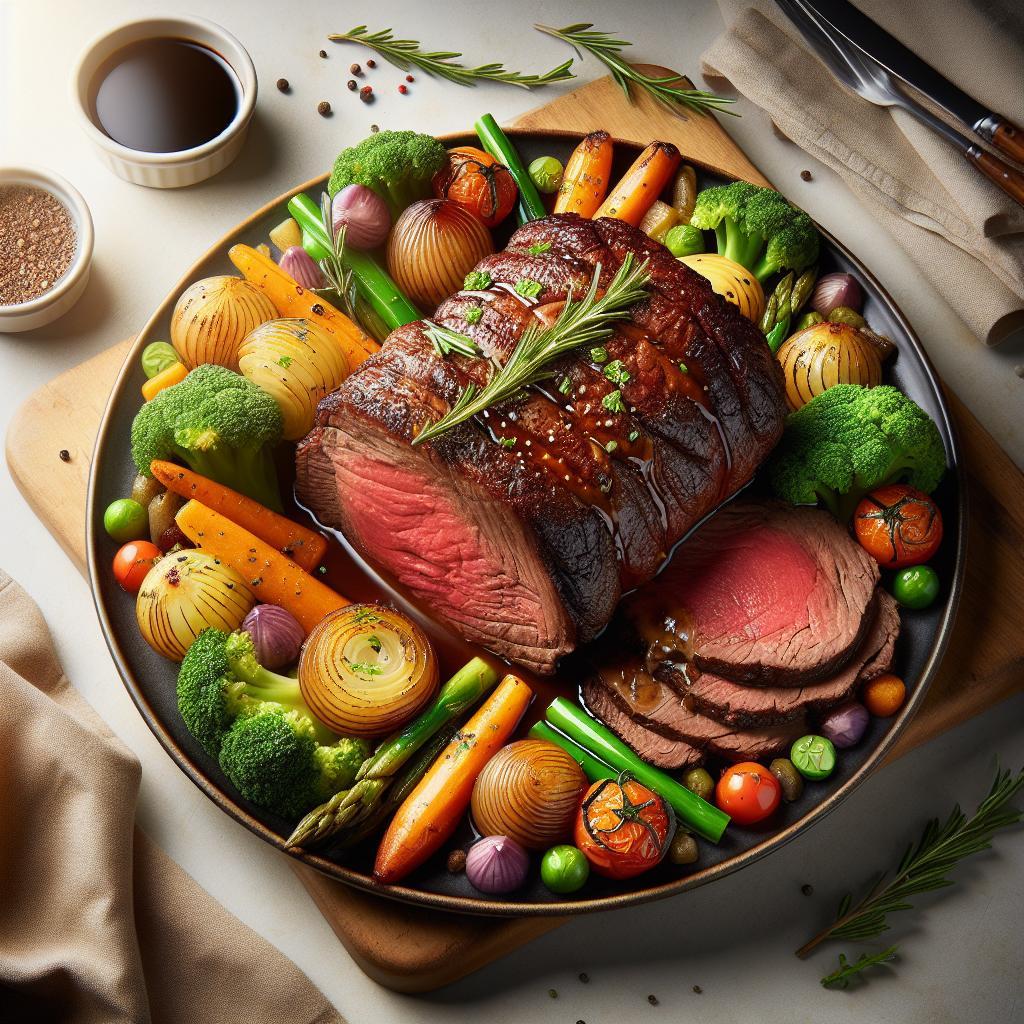
Plate your beef roast with vibrant roasted root vegetables like carrots and parsnips, drizzled lightly with fresh herbs. A creamy horseradish sauce or a rich mushroom gravy pairs beautifully, adding depth without overpowering. Garnish with sprigs of fresh rosemary or thyme for a rustic, elegant presentation that highlights the dish’s fragrant character.

| Nutrient | Per Serving (Approx.) |
|---|---|
| Calories | 380 kcal |
| Protein | 45 g |
| Carbohydrates | 2 g |
| Fat | 20 g |
For more in-depth knowledge on roasting techniques, explore our detailed guide on roasting techniques. To enhance your cooking precision, the USDA offers an excellent resource on safe cooking temperatures here.
Q&A
Q&A: Mastering the Perfect Beef Roast: Tips for Juicy Success
Q1: What is the key to achieving a juicy beef roast?
A1: The secret lies in balancing proper seasoning, controlled cooking temperature, and resting time. Season your roast generously with salt and herbs, cook it low and slow to retain moisture, and always let it rest before slicing to redistribute the juices.
Q2: Which cut of beef is best suited for roasting?
A2: Cuts like ribeye roast, sirloin tip, and chuck roast are excellent choices. Each offers a unique mix of tenderness and flavor, with marbling that helps keep the meat juicy during roasting.
Q3: How should I prepare my beef roast before cooking?
A3: Start by bringing the roast to room temperature for about 30 minutes. Pat it dry, season it well, and optionally, sear it on all sides in a hot pan to lock in flavor before transferring it to the oven.
Q4: What roasting temperature is ideal for a tender, juicy result?
A4: A moderate oven temperature of around 325°F (163°C) balances cooking speed and moisture retention. For extra tender results, consider a slow roast at lower temperatures (around 275°F/135°C) for a longer time.
Q5: How do I know when my beef roast is perfectly cooked?
A5: Use a meat thermometer! For medium-rare, aim for 130-135°F (54-57°C) internal temperature. Remember, the roast will continue to cook slightly while resting, rising a few degrees.
Q6: Why is resting the roast important, and how long should I do it?
A6: Resting allows juices to redistribute throughout the meat, preventing them from spilling out when sliced. Aim for 15-20 minutes, loosely tented with foil.
Q7: Can I prepare a flavorful roast without marinating overnight?
A7: Absolutely! A simple rub of salt, pepper, garlic, and fresh herbs enhances taste beautifully. While marinating can deepen flavor, it’s not necessary for a juicy, delicious roast.
Q8: What sides complement a juicy beef roast best?
A8: Think roasted root vegetables, creamy mashed potatoes, or a crisp green salad. The goal is balance-rich, tender beef pairs well with both hearty and fresh flavors.
Q9: How can I avoid a dry crust when roasting beef?
A9: Ensure your roast is dry before seasoning to promote browning rather than steaming. Searing the beef first helps create a caramelized crust without drying the inside.
Q10: Can I use a slow cooker for a moist beef roast?
A10: Yes! Slow cooking can yield a tender and juicy roast, especially with tougher cuts. Just be mindful to avoid overcooking, as prolonged heat can lead to dry edges.
Master these tips, and your next beef roast will be a juicy triumph worthy of any celebration!
The Way Forward
Mastering the perfect beef roast is more than just a culinary skill-it’s an art form that transforms a simple meal into an unforgettable experience. With the right techniques and a little patience, you can unlock the secret to juicy, tender, and flavorful beef that will impress family and guests alike. So sharpen your knives, preheat that oven, and embrace the journey from raw cut to savory masterpiece. Remember, every roast tells a story, and with these tips in your kitchen arsenal, yours will be one of juicy success. Happy roasting!