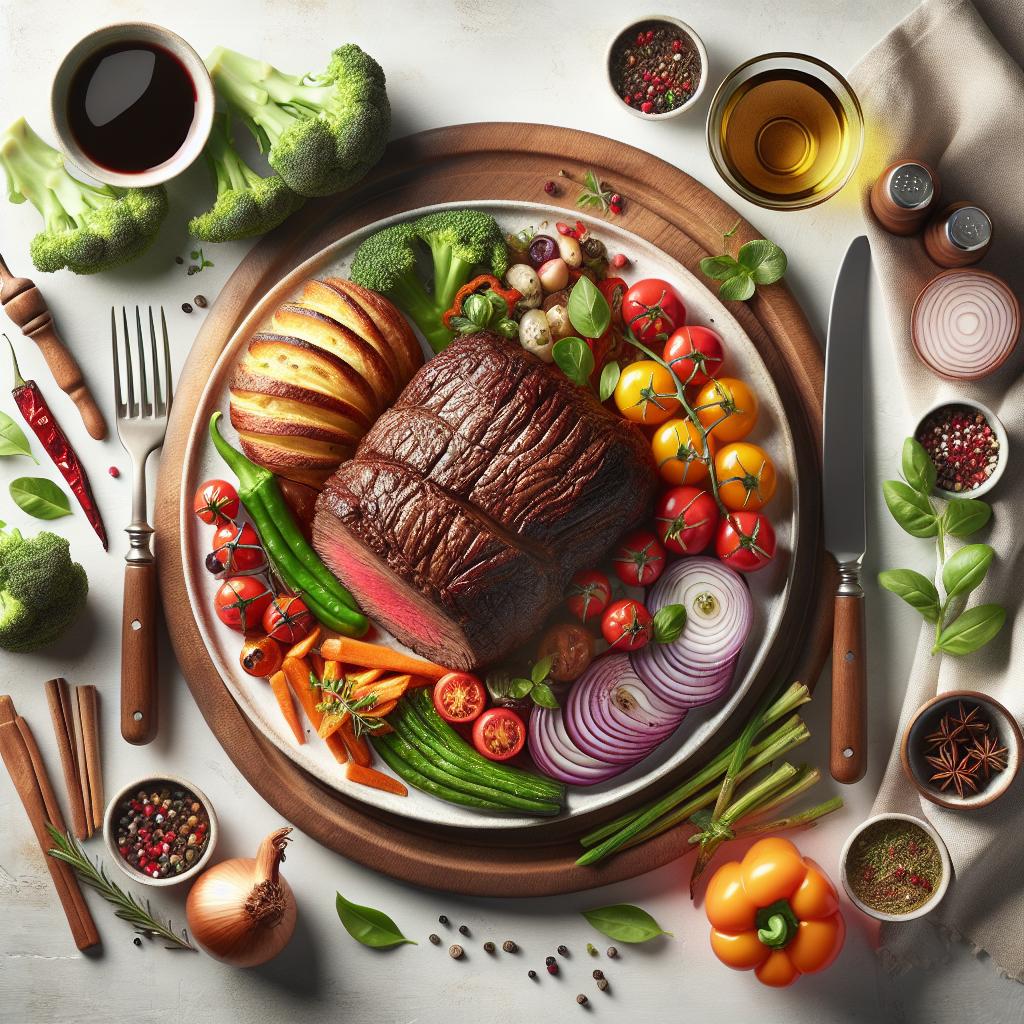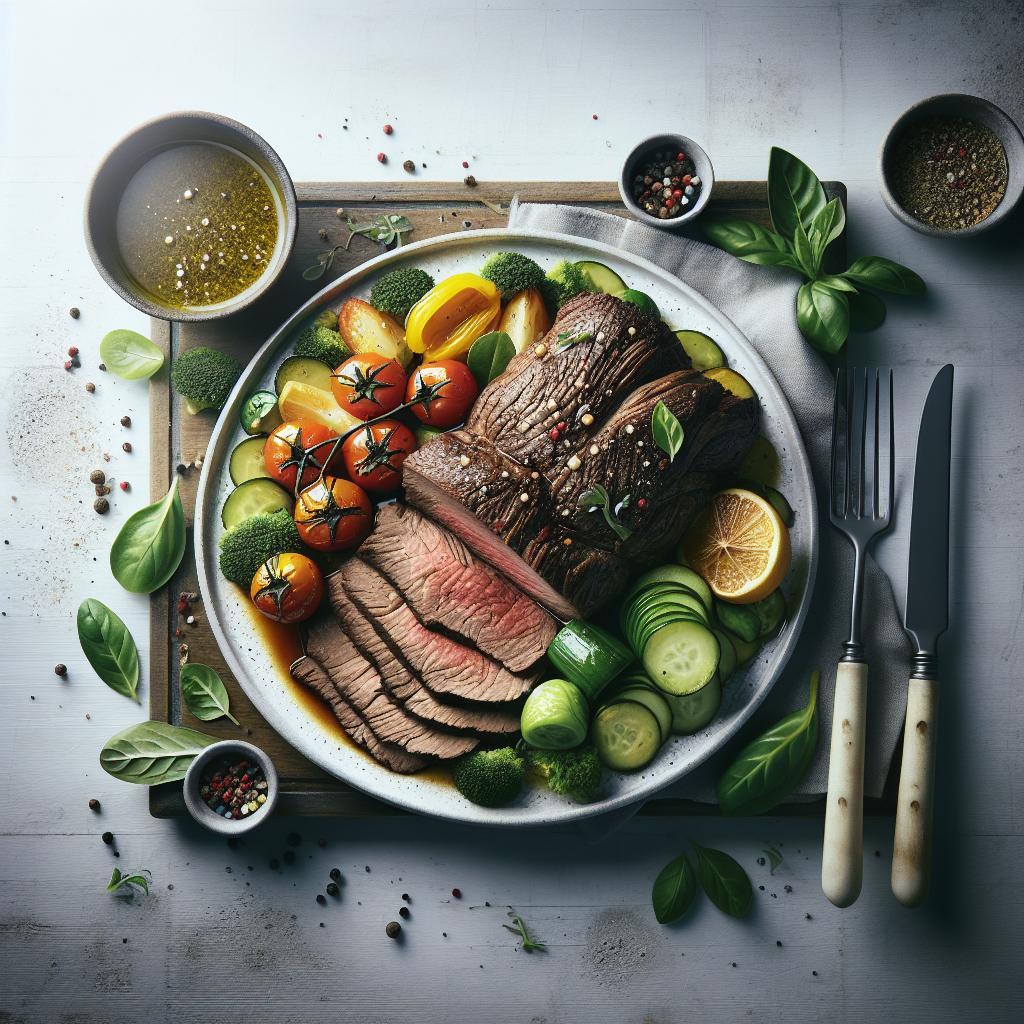

In the world of culinary delights, the beef roast holds a revered spot-succulent, hearty, and steeped in tradition. Yet, for many, its slow-cooked perfection feels like a luxury reserved for leisurely weekends, not busy weeknights. Enter the art of the “Speedy Savor”: a revolutionary approach that transforms the classic beef roast from a time-intensive ritual into a swift, savory triumph. This isn’t just speedy cooking-it’s mastering the balance between rapid technique and rich, mouthwatering flavor. Join us as we unravel the secrets to crafting a perfectly cooked beef roast in a fraction of the time, proving that great taste need not come at the cost of your clock.
Choosing the Perfect Cut for Quick Roasting Success
Speedy Savor begins with selecting the ideal beef cut that thrives under high heat and short roasting times. Opt for tender, thin cuts like sirloin tip, top round, or flank steak – these cuts develop rich flavors and remain juicy without hours spent in the oven. Leaner cuts with moderate marbling ensure a perfect balance between tenderness and robust beefiness while roasting quickly. Avoid heavier, tougher cuts like chuck, which demand long, slow cooking for best results.
Techniques to Maximize Flavor in Minimal Time
For a fast beef roast that bursts with flavor, searing is your best friend. Before roasting, pat the beef dry and season generously with kosher salt, freshly cracked black pepper, and fragrant herbs like rosemary or thyme. Heat a cast iron skillet until smoking hot, then sear each side until a deep, caramelized crust forms – roughly 2 minutes per side. This Maillard reaction locks in juices and delivers irresistible savory notes. Roasting at a higher temperature (around 425°F / 220°C) allows the exterior to crisp while the interior cooks swiftly to your desired doneness.
Essential Tools and Tips for Efficient Roasting
Equipping your kitchen with the right tools can elevate your roast from good to gourmet within minutes. A heavy-duty roasting pan with a rack allows even airflow and prevents the beef from steaming. Using a digital instant-read thermometer eliminates guesswork; pull the roast out at 130°F (54°C) for medium-rare, letting it rest to reach perfect warmth. A sharp carving knife ensures thin, clean cuts that spotlight the roast’s tender texture. Covering with foil during resting maintains juiciness while the carryover cooking finishes the process gently.
Creative Sides to Complement Your Speedy Beef Roast
Round out your plate with quick-cooking sides that harmonize textures and flavors without adding hours to your prep. Whip up garlic-roasted baby potatoes tossed in olive oil and herbs, roast asparagus spears with lemon zest for a fresh, bright contrast, or toss a crisp arugula salad dotted with cherry tomatoes and shaved Parmesan. For a comforting finish, creamy horseradish sauce or tangy mustard aioli provide zesty accompaniments that elevate each bite. These sides stay quick yet indulgent, mirroring the ethos behind a fast, flavorful beef roast.
Prep and Cook Time
- Prep Time: 15 minutes
- Cook Time: 25-30 minutes
- Total Time: 40-45 minutes
Yield
Serves 4 generous portions
Difficulty Level
Easy to Medium
Ingredients
- 2 lbs sirloin tip roast, trimmed and patted dry
- 2 tsp kosher salt
- 1 ½ tsp freshly ground black pepper
- 2 tbsp olive oil
- 2 sprigs fresh rosemary
- 2 sprigs fresh thyme
- 4 cloves garlic, smashed
- Optional: 1 tsp smoked paprika for depth
Instructions
- Preheat your oven to 425°F (220°C). Remove the roast from the refrigerator and let it sit at room temperature for 15 minutes to ensure even cooking.
- Season the beef all over with kosher salt, black pepper, and smoked paprika if using. Gently rub olive oil and press fresh rosemary and thyme sprigs onto the surface.
- Heat a large cast iron skillet over high heat until very hot. Add a touch of olive oil, then place the roast in the skillet. Sear each side for 2-3 minutes until a rich, brown crust develops. Don’t forget to sear the edges for maximum flavor.
- Transfer the roast to a roasting pan fitted with a rack. Nestle garlic cloves around the roast for aromatic infusion.
- Roast in the oven for 20-25 minutes, or until an instant-read thermometer inserted into the thickest part registers 130°F (54°C) for medium-rare doneness. Adjust time for preferred doneness.
- Remove from the oven and tent loosely with aluminum foil. Let rest for 10-15 minutes; this allows juices to redistribute for a tender, juicy finish.
- Slice thinly against the grain for maximum tenderness. Serve immediately with your favorite speedy sides and sauces.
Tips for Success
- For a deeper crust, dry-brine your beef the night before by salting it and leaving uncovered in the fridge.
- Resting is crucial-cutting too soon wastes precious juices and leads to dryness.
- Use a heavy pan or cast iron skillet for searing; it retains heat better, enhancing crust development.
- Adapt the seasoning to your taste: swap herbs like oregano or sage depending on your pantry.
- Make-ahead tip: Roast the beef, cool completely, slice, and refrigerate. Reheat gently under foil to maintain moisture.
Serving Suggestions
Serve slices on a warm platter garnished with fresh herb sprigs and roasted garlic cloves from the pan. Offer creamy horseradish sauce or a tangy whole-grain mustard alongside to brighten each bite. Accompany the roast with olive oil-crisped baby potatoes and lemon-thrived asparagus for a visually stunning, flavor-packed plate. Finish with a handful of peppery arugula dressed lightly with balsamic vinegar to cleanse the palate.
| Nutrient | Per Serving |
|---|---|
| Calories | 320 kcal |
| Protein | 42g |
| Carbohydrates | 1g |
| Fat | 15g |

For additional tips on choosing optimal beef cuts, visit USDA’s Beef Guide. Also, explore our guide on quick roasting techniques for further inspiration.
Q&A
Q&A: Speedy Savor: Mastering the Art of Fast Beef Roast
Q1: Why choose a beef roast for a quick meal?
A1: Beef roast is traditionally viewed as a slow-cooked luxury, but with clever techniques, it can transform into a speedy yet sumptuous dish. It offers rich flavors and hearty satisfaction, perfect for when you want a gourmet experience without hours in the kitchen.
Q2: What cuts of beef are best suited for fast roasting?
A2: Opt for tender cuts like sirloin tip, tenderloin, or ribeye. These cuts cook quicker and remain juicy, unlike tougher roasts that require low and slow methods to break down collagen.
Q3: How can I ensure my beef roast stays juicy when cooking fast?
A3: High heat, quick cooking, and resting the meat under foil are essential. Searing the roast before roasting locks in juices, while letting it rest allows fibers to reabsorb moisture, ensuring a juicy bite every time.
Q4: What’s a foolproof way to speed up the roasting process?
A4: Use the reverse sear method. Start by roasting at a moderate temperature to cook the inside evenly, then finish with a high-heat sear to develop a flavorful crust. This method balances speed with juicy tenderness.
Q5: Can marinades help in fast roasting beef?
A5: Absolutely! Quick marinades with acidic ingredients like citrus juice or vinegar tenderize the meat’s surface and infuse flavor, cutting down on marinating time while enhancing taste.
Q6: How important is temperature control in fast roasting?
A6: Crucial. Use a meat thermometer to avoid overcooking. Target an internal temperature of about 135°F (57°C) for medium-rare, then rest. This precise control helps achieve speedy results without sacrificing quality.
Q7: What side dishes complement a speedy beef roast?
A7: Think quick-cooking vegetables like sautéed green beans, roasted baby carrots, or a fresh herb salad. These sides can be prepared simultaneously, making your entire meal come together swiftly.
Q8: Are there any secret tricks to enhance the beef’s flavor quickly?
A8: Dry brining your beef roast overnight with salt and pepper intensifies flavor without added time on cooking day. Additionally, finishing with a pat of herb butter right after roasting adds decadent richness.
Q9: How does altitude or oven type affect fast roasting?
A9: Altitude can slightly change cooking times due to air pressure differences, but the biggest factor is the oven. Convection ovens speed cooking by circulating hot air evenly, making them ideal for fast roast techniques.
Q10: Can I prepare a speedy beef roast for a crowd?
A10: Yes! Scale the process by using multiple smaller roasts or cuts that cook quickly and evenly. This approach allows you to serve tender, flavorful beef rapidly without batch-cooking large traditional cuts.
Mastering the speedy beef roast means combining smart choices-from cut selection to cooking techniques-all designed to bring restaurant-quality flavor and juiciness to your table in a fraction of the usual time.
In Conclusion
In the fast-paced world we live in, mastering the art of a speedy beef roast is more than just a kitchen skill-it’s a gateway to delicious, satisfying meals without the wait. By embracing smart techniques, quality cuts, and clever seasoning, you transform a traditionally time-consuming dish into a flavorful triumph that fits your busy lifestyle. So next time hunger calls and time is short, remember that with the right approach, a tender, mouthwatering beef roast is always within reach. Dive in, experiment, and let every bite remind you that great cooking doesn’t have to be slow to be unforgettable.