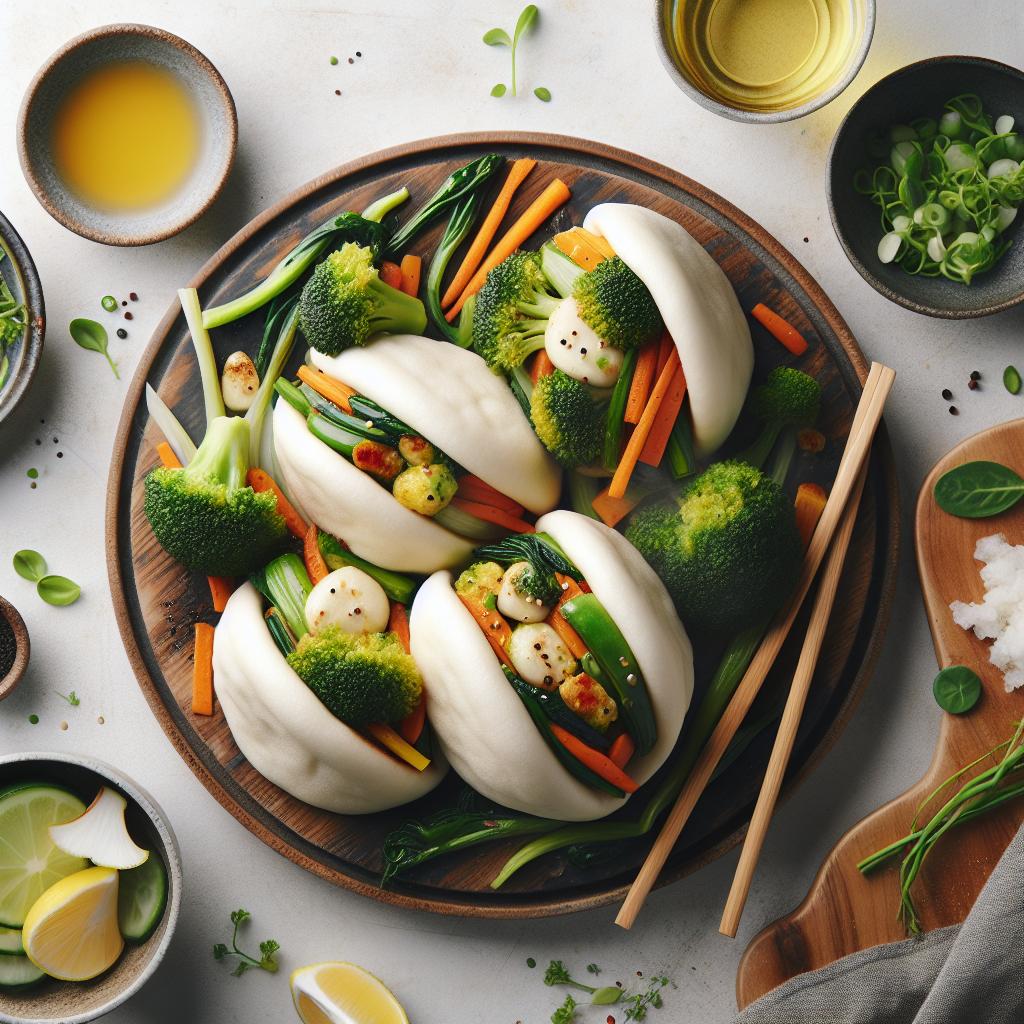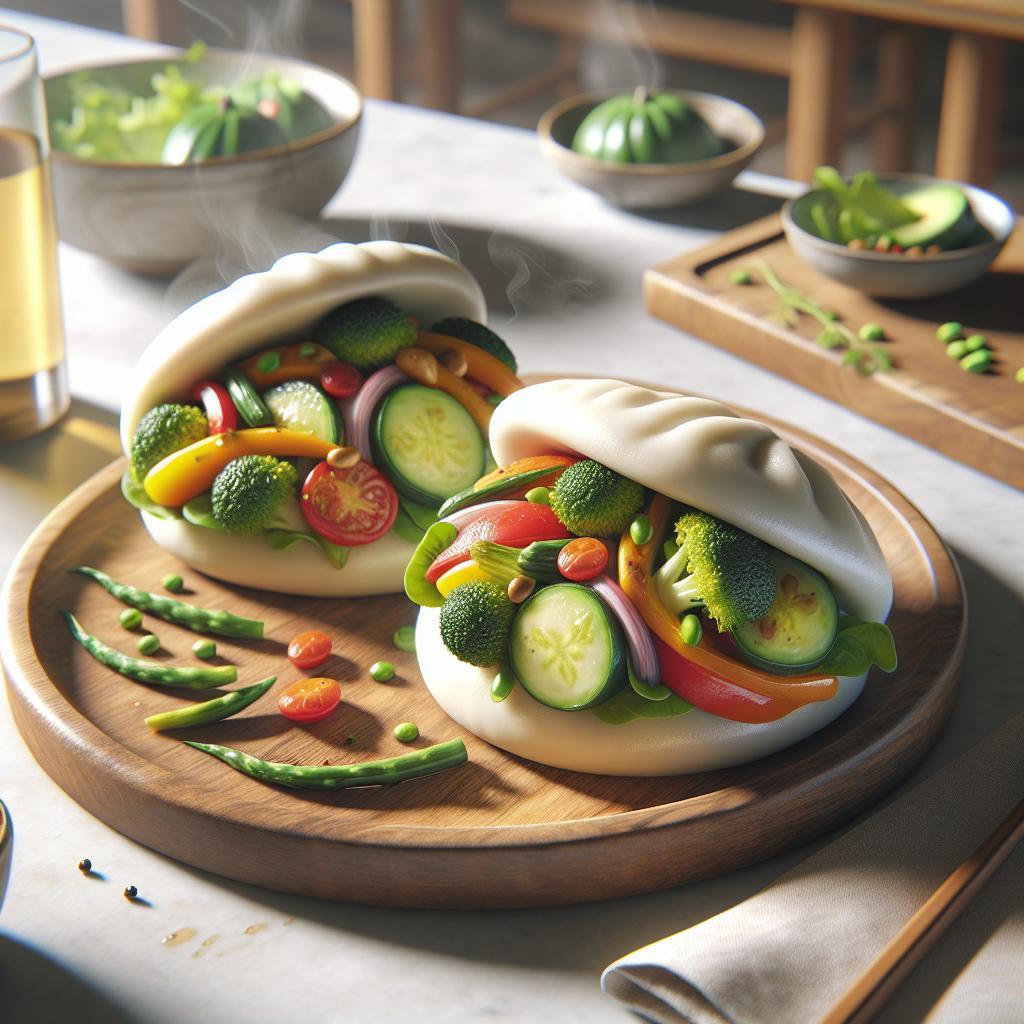

In the world of culinary delights, few creations embody both simplicity and sophistication like the humble bao bun. These pillowy pockets of dough, steamed to perfection, are more than just a vessel-they are an invitation to explore a harmonious dance of textures and tastes. Among their many variations, vegetable bao buns stand out as vibrant canvases that celebrate the freshness and diversity of nature’s harvest. “Steaming Into Flavor: The Art of Vegetable Bao Buns” invites you on a sensory journey, unraveling the secrets behind crafting these delicate treasures and discovering how steaming transforms ordinary ingredients into an extraordinary bite. Whether you’re a seasoned foodie or a curious beginner, this exploration promises to elevate your appreciation for one of the most charming staples of Asian cuisine.
Steaming Into Flavor: The Art of Vegetable Bao Buns
Steaming into flavor reveals the secret to creating irresistibly soft, fluffy vegetable bao buns that melt in your mouth. These delicate Asian-inspired treasures owe their enchanting texture not only to the steaming process but also to the carefully crafted dough and thoughtfully prepared vegetable fillings. Whether you’re a seasoned bao enthusiast or just beginning to explore this culinary art, mastering the dough, fillings, and steaming will elevate your bao game to new heights.
Prep and Cook Time
- Preparation: 45 minutes
- Proofing Dough: 1 hour 30 minutes
- Cooking (Steaming): 15 minutes
- Total Time: Approximately 2 hours 30 minutes
Yield
Makes 12 medium-sized vegetable bao buns
Difficulty Level
Medium-Ideal for keen home cooks ready to hone their dough and steaming skills
Ingredients
- For the Dough:
- 2 ½ cups all-purpose flour, sifted
- 2 teaspoons active dry yeast
- 2 tablespoons sugar
- 1/2 teaspoon baking powder
- ¾ cup warm water (about 110°F / 43°C)
- 2 tablespoons vegetable oil (neutral-flavored)
- 1/4 teaspoon salt
- For the Vegetable Filling:
- 1 cup finely shredded napa cabbage
- 1/2 cup grated carrot
- 1/2 cup finely diced shiitake mushrooms
- 1/4 cup chopped scallions
- 1 tablespoon minced ginger
- 2 cloves garlic, minced
- 2 tablespoons soy sauce (use tamari for gluten-free)
- 1 tablespoon toasted sesame oil
- 1 teaspoon sugar
- Salt and black pepper to taste
- For Serving Sauces (optional):
- Soy-chili dipping sauce
- Black vinegar with sliced fresh chili
- Peanut or hoisin sauce
Instructions
- Activate the yeast: Combine warm water, sugar, and yeast in a small bowl. Stir gently and let it bloom for 10 minutes until frothy and bubbly. This is a key step for achieving that airy bao dough.
- Prepare the dough: In a large bowl, sift together flour, baking powder, and salt. Create a well in the center, then pour the yeast mixture and vegetable oil inside. Mix using a wooden spoon or your hands until a shaggy dough forms.
- Knead to softness: Transfer the dough to a floured surface and knead for 8-10 minutes until it becomes smooth and elastic. It should feel soft but not sticky. Cover the dough with a damp cloth and let it proof in a warm place for 1 to 1.5 hours, doubling in size.
- Cook the vegetable filling: Heat a tablespoon of vegetable oil in a skillet over medium heat. Add minced ginger and garlic and sauté until fragrant, about 1 minute. Add mushrooms, cabbage, and carrots, stirring continuously to prevent sogginess.
- Season the veggies: Stir in soy sauce, sugar, and toasted sesame oil. Cook for another 5 minutes until the vegetables are tender yet vibrant. Adjust seasoning with salt and pepper. Remove from heat and let cool.
- Shape the bao buns: Punch down the risen dough and roll it into a long cylinder. Divide it into 12 equal pieces. Roll each piece into a ball, then flatten it into an oval about 4 inches long. Spoon 1 tablespoon of vegetable filling into the center of each.
- Fold and seal: Gently pleat the edges of each dough oval and pinch them together at the top to seal, creating a classic bao bun shape. Place each bun onto a small square of parchment paper to prevent sticking during steaming.
- Steam to perfection: Set up your steamer with boiling water. Arrange buns at least 2 inches apart on a steaming rack. Cover with a clean kitchen towel under the lid to catch condensation. Steam the buns over high heat for 12-15 minutes, avoiding opening the lid mid-process.
- Serve fresh and hot: Once steamed, transfer the buns carefully to a serving plate. Garnish with finely sliced scallions or toasted sesame seeds for a burst of color and nutty aroma.
Tips for Success: How Steaming Into Flavor Perfects Your Bao Experience
- Proof your dough properly: Proper rising time is crucial for that signature pillowy softness. If your kitchen is cool, try proofing inside an oven with the light turned on.
- Don’t overfill: Adding too much vegetable filling can tear the dough during steaming. Less is more for neat, uniform buns.
- Manage condensation: The towel under the steamer lid prevents water droplets from dripping onto buns, preserving their delicate texture.
- Customize your fillings: Experiment with seasonal vegetables or add tofu for extra protein, enhancing both nutrition and flavor.
- Make ahead and freeze: After shaping, freeze the buns on parchment until solid, then transfer to a bag. Steam directly from frozen, adding extra cooking time.
Serving Suggestions
Serve these vegetable bao buns warm for best flavor and texture. Pair with fresh garnishes like chopped cilantro, sliced red chili, or crunchy fried shallots to add contrasting texture and a visual spark. Offer a variety of dipping sauces such as fiery soy-chili, tangy black vinegar, or creamy hoisin to let your guests personalize each bite.
For a light lunch or appetizer, arrange the bao buns on a bamboo steamer basket for authentic presentation. Complement with a side of quick pickled vegetables or a zesty Asian cucumber salad. This meal invites shared eating, encouraging hands-on indulgence and convivial conversation.
| Nutritional Info (per bao) | Calories | Protein | Carbs | Fat |
|---|---|---|---|---|
| Vegetable Bao Bun | 110 kcal | 3 g | 20 g | 2 g |
| Steamed Bao Bun Dough | 80 kcal | 2 g | 17 g | 1 g |
Discover more foundational Asian cooking techniques to expand your culinary repertoire.
For ingredient authenticity and tips on vegetable bao bun nutrition, visit the Serious Eats guide to bao buns.

Q&A
Q&A: Steaming Into Flavor: The Art of Vegetable Bao Buns
Q1: What makes vegetable bao buns so special compared to other steamed buns?
A1: Vegetable bao buns are a vibrant celebration of texture and taste, combining the pillowy softness of steamed dough with the fresh, bold flavors of carefully chosen vegetables and seasonings. Unlike many other buns that feature heavy fillings, vegetable baos showcase a delightful balance of lightness and depth, making them both comforting and refreshing.
Q2: How do you achieve the perfect bao bun dough texture?
A2: The secret lies in patience and the right ingredients. Using a combination of all-purpose flour, a touch of sugar, yeast, and warm water creates a dough that is tender and airy once steamed. Allowing the dough to rise slowly, sometimes twice, ensures that each bun will be fluffy, with a slight chew that melts in your mouth.
Q3: Which vegetables work best as fillings for bao buns?
A3: Versatility is the key! Ingredients like shiitake mushrooms, julienned carrots, bamboo shoots, baby bok choy, and tender tofu pieces bring contrasting textures and umami richness. Adding pickled vegetables or fresh herbs like cilantro and scallions can elevate the flavor profile, giving each bite excitement and brightness.
Q4: How are vegetable bao buns traditionally cooked?
A4: The classic method is steaming over boiling water. This gentle cooking technique locks in moisture, ensuring the dough stays fluffy and the vegetable filling remains juicy and vibrant. Using a bamboo steamer preserves authenticity, infusing a subtle earthiness to the buns as they cook.
Q5: What creative twists can one try with vegetable bao fillings?
A5: The beauty of vegetable bao buns is their adaptability. Try incorporating roasted sweet potato with a hint of smoked paprika for warmth, or sautéed eggplant with garlic and ginger for a savory punch. Experimenting with spicy chili oil or tangy hoisin-infused sauces as dipping companions can also transform the small bun into an explosion of layered flavors.
Q6: Can bao buns be made ahead and stored?
A6: Absolutely! You can prepare the dough and filling a day in advance, then assemble and refrigerate the buns. When ready to eat, simply steam them again until heated through. This makes them an ideal dish for busy days or entertaining guests with minimal fuss.
Q7: Why is steaming preferred over baking or frying for bao buns?
A7: Steaming provides a unique, delicate texture that baking or frying can’t replicate. It keeps the buns soft and tender without a crust, allowing the subtle sweetness of the dough and the freshness of the vegetable filling to shine. Plus, it’s a healthier cooking method, free from extra oils or browning.
Q8: How can beginners avoid common mistakes when making vegetable bao buns?
A8: Key tips include not rushing the dough rising process, avoiding overfilling the buns to prevent bursting during steaming, and ensuring the steamer has sufficient water for consistent steam. Practicing gentle folding techniques when shaping the bao helps maintain their classic shape and texture.
Q9: What cultural significance do bao buns hold in Asian cuisine?
A9: Bao buns have long been a symbol of warmth and hospitality in many Asian cultures. Traditionally enjoyed during festivals and family gatherings, they represent comfort and togetherness. The evolving vegetable versions honor this heritage while embracing modern tastes and dietary preferences.
Q10: How can vegetable bao buns inspire culinary creativity?
A10: These buns serve as a blank canvas, inviting cooks to explore diverse ingredients, spices, and textures. Whether infusing the dough with matcha powder or blending fillings with exotic herbs, vegetable baos encourage playful expression while celebrating wholesome, balanced flavors. They are a fusion of tradition and innovation steamed to perfection.
Wrapping Up
As the last wisp of steam rises from your freshly crafted vegetable bao buns, you realize that this humble dish is much more than just a meal-it’s an art form, a delicate balance of texture, aroma, and vibrant flavor. Steaming, that gentle culinary kiss, transforms simple vegetables wrapped in pillowy dough into a symphony of taste and tradition. Whether you’re a seasoned bao enthusiast or a curious kitchen explorer, embracing the art of vegetable bao buns invites you to savor every bite and celebrate the joyful harmony of health and indulgence. So, take a deep breath, let the steam rise, and allow your palate to journey into the flavorful world that awaits inside each handcrafted bun.