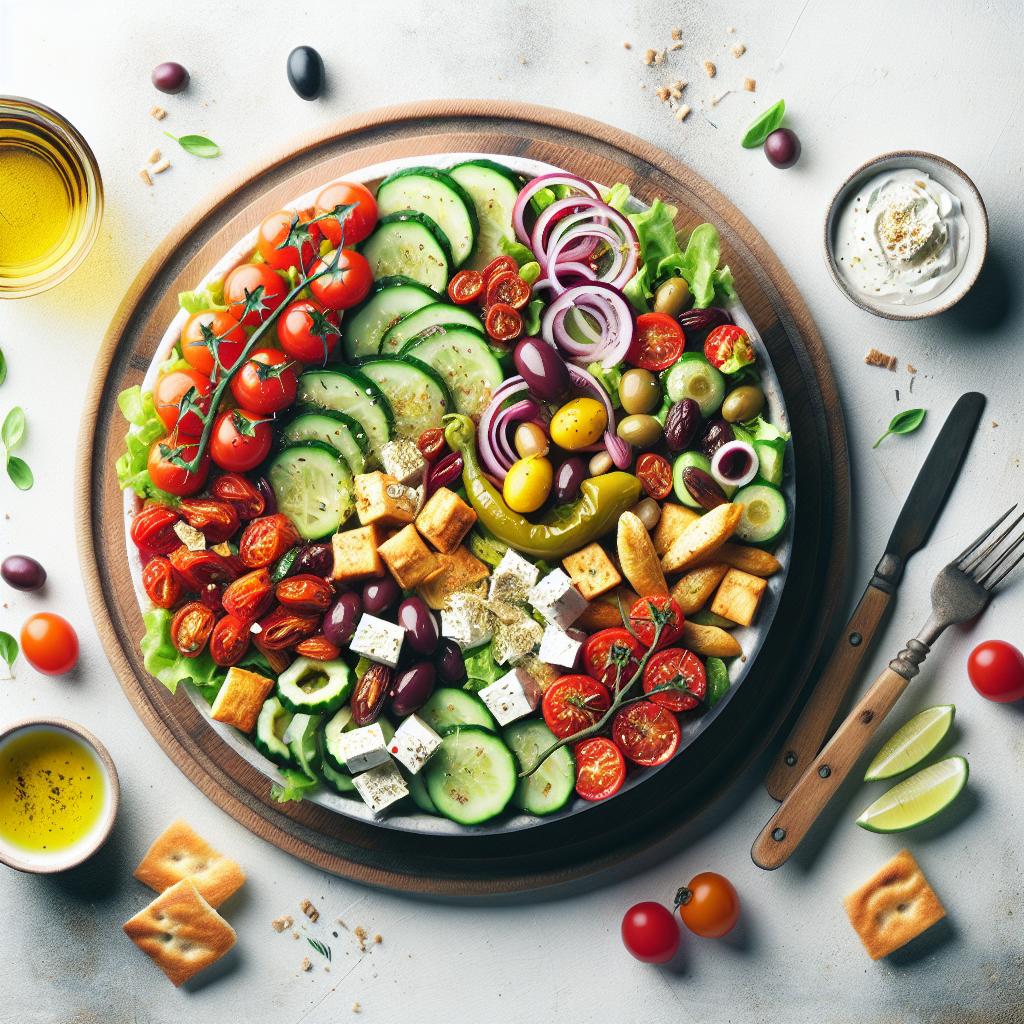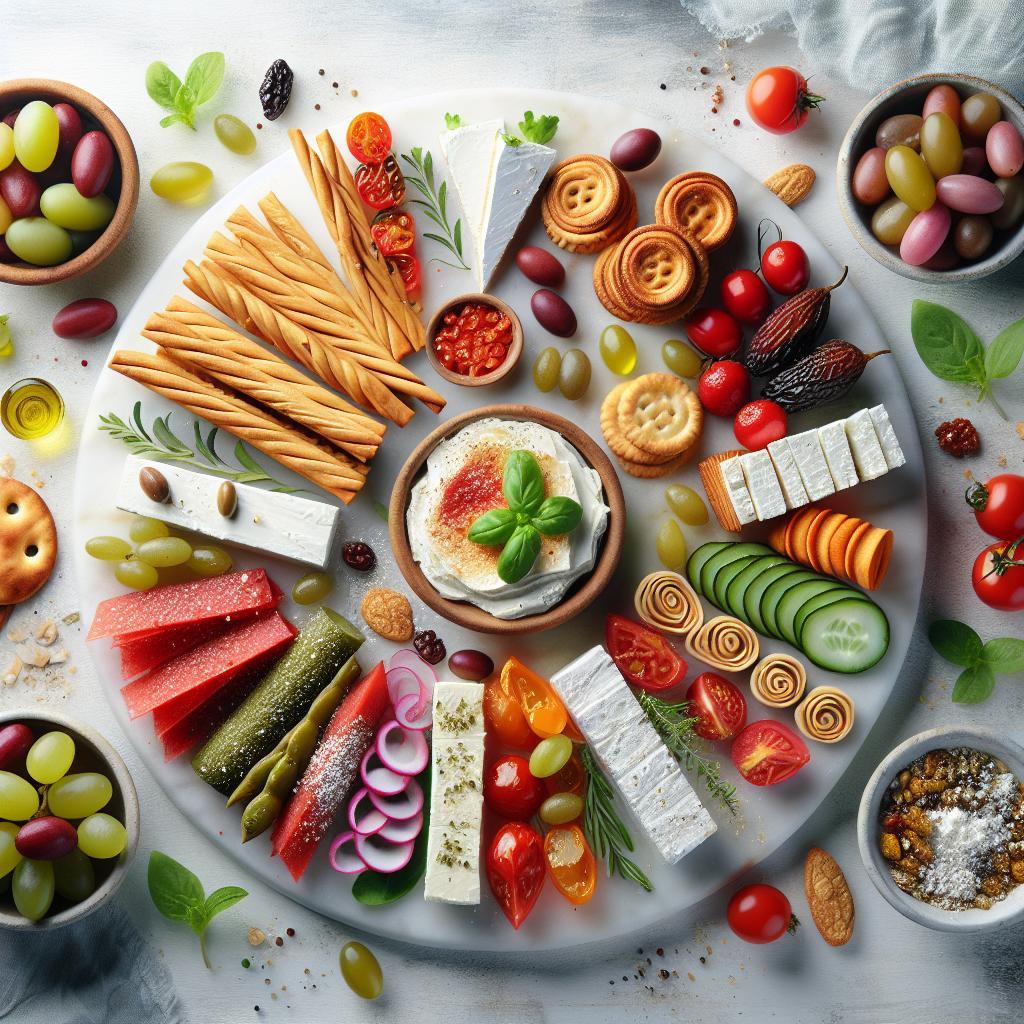

Step into a world where each bite tells a story, where vibrant ingredients meet time-honored traditions, and every snack is a celebration of culture. Greek cuisine, renowned for its Mediterranean charm, offers more than just hearty meals-it invites you to savor a tapestry of authentic snacks that have been delighting taste buds for centuries. From the salty tang of olives to the flaky perfection of spanakopita, Greek snacks are a gateway to the sun-drenched landscapes and ancient heritage of this storied land. In this article, we’ll embark on a flavorful journey, exploring the rich diversity, history, and irresistible tastes of authentic Greek snacks that continue to captivate food lovers around the globe today.
Discovering the Richness of Traditional Greek Ingredients Through Snacks
Savor the Flavors: Exploring Authentic Greek Snacks Today is a delightful adventure into the heart of Greece’s culinary heritage, where each bite tells a story of time-honored traditions and regional pride. These vibrant snacks are crafted from ingredients that have been cherished for centuries-think sun-ripened olives, creamy feta cheese, wholesome herbs, and crispy phyllo dough. They evoke memories of bustling village markets and seaside tavernas, transporting you to the golden shores and fragrant hillsides of Greece.
Among the most iconic regional delicacies are Koulouri from Thessaloniki: sesame-crusted bread rings perfect for breakfast; Kolokithokeftedes, zucchini fritters bursting with fresh mint from the islands; and Dolmades, tender grape leaves stuffed with herby rice from the Peloponnese. Each snack unfolds a unique tale, revealing the subtle differences in ingredients and preparation methods shaped by geography and history.
Prep and Cook Time
- Preparation: 20 minutes
- Cooking: 15 minutes
- Total Time: 35 minutes
Yield
- Serves 4-6 as appetizers or light snacks
Difficulty Level
- Easy to Medium – perfect for beginner cooks eager to explore Mediterranean flavors
Ingredients
- 2 cups all-purpose flour, sifted for lightness
- 1 cup fresh spinach, finely chopped
- 1 medium zucchini, grated and drained
- 1/2 cup crumbled feta cheese, preferably sheep’s milk for authenticity
- 1 small onion, minced
- 2 cloves garlic, crushed
- 1/4 cup fresh dill, chopped
- 1/4 cup fresh mint, finely chopped
- 1 teaspoon baking powder
- 1/2 cup extra-virgin olive oil, plus extra for frying
- Salt and freshly ground black pepper, to taste
- Juice of 1 lemon, for serving
Instructions
- Prepare the Vegetables: Grate the zucchini and squeeze out excess moisture using a clean kitchen towel. This step prevents soggy fritters, ensuring a crisp final texture.
- Mix the Ingredients: In a large bowl, combine the flour, baking powder, salt, and pepper. Add the spinach, grated zucchini, feta, onion, garlic, dill, and mint. Stir gently to distribute evenly.
- Bind the Mixture: Slowly add olive oil to the vegetable-flour mixture, combining until you achieve a batter that holds together but remains slightly loose. If too thick, incorporate a tablespoon of water at a time.
- Heat the Pan: Pour a thin layer of olive oil into a skillet and heat over medium. The oil should shimmer but not smoke.
- Cook the Fritters: Using a spoon, drop batter-sized portions into the hot oil. Flatten slightly with the back of the spoon. Sauté until golden brown on each side, about 4-5 minutes per side, turning carefully to maintain shape.
- Drain and Serve: Transfer fritters to a paper towel-lined plate to absorb excess oil. Serve warm, garnished with a wedge of fresh lemon for a vibrant, citrusy finish.
Tips for Success
- Freshness is Key: Use fresh herbs and vegetables for the brightest flavor profile. Dried herbs can diminish the snack’s characteristic vibrancy.
- Oil Temperature: Keep the olive oil at a steady medium heat; too hot leads to burnt exteriors and undercooked centers.
- Make Ahead: The batter can be prepared up to 2 hours in advance and refrigerated, allowing flavors to meld beautifully.
- Substitution: For a gluten-free option, try chickpea flour instead of all-purpose flour, adjusting the liquid as necessary.
Serving Suggestions
These Greek vegetable fritters pair wonderfully with a tangy tzatziki sauce or a drizzle of honey for a surprising sweet-savory twist. Complement with fresh slices of cucumber, ripe tomatoes, and Kalamata olives on the side. For an authentic beverage pairing, sip on cold Greek beer or a refreshing non-alcoholic mountain tea, renowned for its delicate herbal notes that brighten every mouthful.

| Nutritional Info (per serving) | Amount |
|---|---|
| Calories | 220 kcal |
| Protein | 7 g |
| Carbohydrates | 25 g |
| Fat | 11 g |
For those eager to dive deeper into related traditional Greek recipes, exploring continental dishes enhances understanding of how these snacks fit into Greece’s broader culinary mosaic. Meanwhile, trusted sources like Greek Gastronomy Guide offer extensive insights into regional specialties and seasonal ingredients.
Q&A
Q&A: Savor the Flavors: Exploring Authentic Greek Snacks Today
Q1: What makes Greek snacks stand out from other Mediterranean treats?
A1: Greek snacks are a harmonious blend of simplicity and bold, fresh flavors. Rooted in centuries-old traditions, they emphasize fresh ingredients like olives, cheeses, herbs, and vegetables. The snacks often balance tangy, salty, and savory notes, delivering a delightful taste experience that feels both rustic and refined.
Q2: Can you name some iconic Greek snacks that every foodie should try?
A2: Absolutely! Dive into delights such as Koulouri-a sesame-crusted bread ring perfect for nibbling on the go, or Tiropita, flaky filo pastry stuffed with creamy feta cheese. For a crunchy twist, Olives with herbs offer a briny burst, while Gigantes Plaki, giant baked beans in tomato sauce, provide hearty satisfaction. Don’t miss Loukoumades-golden honey-drizzled dough balls, indulging your sweet tooth with a traditional touch.
Q3: How do herbs and spices contribute to the flavor profile of Greek snacks?
A3: Greek culinary tradition relies heavily on fragrant herbs like oregano, dill, and thyme, infusing snacks with distinctive Mediterranean aromas. These herbs elevate simple ingredients, turning roasted vegetables or cheese pastries into vibrant flavor explosions. The careful balance of herbs also complements olive oil and lemon, staples that provide freshness and a subtle tang.
Q4: Are Greek snacks suitable for vegetarian diets?
A4: Certainly! Greek cuisine embraces a wealth of vegetarian-friendly snacks. Many feature vegetables, pulses, cheeses, and grains, making them not only delicious but also nutrient-rich. Snacks like Spanakopita (spinach and cheese pie), marinated olives, and chickpea-based revithada stew showcase the vegetarian bounty of Greek gastronomy.
Q5: What role does olive oil play in authentic Greek snacks?
A5: Olive oil is the golden thread woven through Greek snacking culture. It acts as a flavor enhancer, bringing richness to everything from freshly baked bread dipped in herb-infused oil to drizzled toppings on cheeses and vegetables. Its fruity, peppery notes carry the essence of the Mediterranean sun, making every bite feel wholesome and vibrant.
Q6: How can someone recreate authentic Greek snacking experiences at home?
A6: Start with simple, quality ingredients: fresh olives, tangy Greek cheeses, aromatic herbs, and hearty bread or pastries. Embrace the art of combining textures and flavors-pair crunchy sesame bread rings (koulouri) with creamy tzatziki dipping sauce. Experiment with marinated vegetables or baked bean dishes like gigantes. Most importantly, savor the process slowly, as Greeks do-snacks are not just food, but a moment to appreciate vibrant flavors and good company.
Q7: What cultural traditions are tied to Greek snacking?
A7: Snacking in Greece is more than a quick bite; it’s a social ritual. It often accompanies lively conversation, shared around family tables or bustling street markets. The practice of meze-an array of small dishes including olives, cheeses, and dips-embodies the spirit of communal eating and hospitality. Enjoying these snacks reflects the Greek love for community, storytelling, and celebration of life’s simple pleasures.
Q8: Are there any modern twists on traditional Greek snacks gaining popularity?
A8: Yes, contemporary chefs and home cooks alike are infusing traditional recipes with innovative ideas-think vegan versions of classic cheese pies using plant-based cheeses, or gluten-free adaptations of beloved pastries. There’s also a growing trend of pairing ancient ingredients like preserved citrus or wild herbs with modern superfoods, creating exciting new flavor combinations that honor tradition yet delight curious palates.
Savor the adventure of Greek snacks, where every morsel tells a story of sun-kissed islands, lush olive groves, and vibrant community life!
To Conclude
As we wrap up our flavorful journey through the vibrant world of authentic Greek snacks, it’s clear that these bite-sized treasures are more than just food-they are a celebration of culture, history, and community. Whether you’re crunching on crispy koulouri or savoring the sweet, honeyed delight of melomakarona, each snack tells a story steeped in tradition and passion. So next time you find yourself craving something truly distinctive, let the timeless tastes of Greece guide your palate. Dive in, explore, and most importantly, savor every moment-because authentic Greek snacks aren’t just a treat, they’re an experience to be cherished today and beyond.