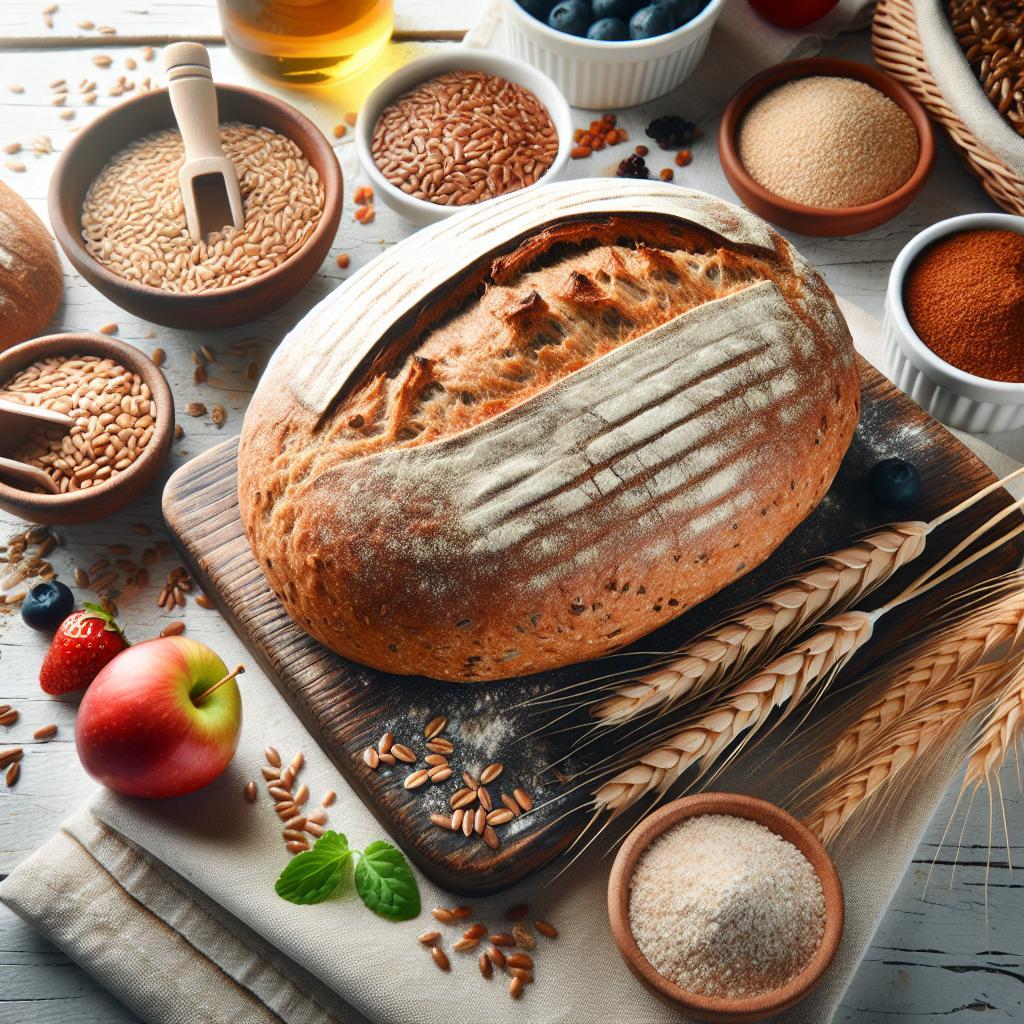

There’s something magical about the warm, comforting aroma of freshly baked bread wafting through your home-a simple pleasure that speaks of tradition, care, and craftsmanship. In the world of baking, few things rival the wholesome charm of homemade whole wheat bread. Beyond its rustic appeal and nutty flavor lies a richer story: one of nourishing ingredients, mindful techniques, and the rewarding journey from humble flour to golden crust. In this article, we invite you to explore the art of baking better-unlocking the secrets to perfect whole wheat loaves that are not only delicious but a celebration of health and heritage. Whether you’re a seasoned baker or a curious beginner, prepare to transform everyday ingredients into a loaf that’s as fulfilling to make as it is to eat.
Bake Better: The Art of Homemade Whole Wheat Bread
Whole wheat bread embodies the perfect blend of rustic charm and wholesome nutrition, but mastering the craft takes more than just mixing flour and water. When you bake better with whole wheat flour, you unlock a world of textures and flavors that transform your kitchen into an artisanal bakery. Drawing from centuries of tradition and a deep appreciation for natural ingredients, this guide reveals the secrets behind choosing the right whole wheat flour varieties, hydrating and kneading dough for optimal structure, and coaxing complex flavors through natural fermentation.
Prep and Cook Time
- Preparation: 30 minutes
- First Rise: 2 hours
- Second Rise: 45 minutes
- Baking Time: 30-35 minutes
- Total Time: Approximately 4 hours
Yield
One large loaf (12 slices), perfect for sharing or savoring throughout the week.
Difficulty Level
Medium – Ideal for bakers comfortable with yeast doughs and eager to elevate their whole wheat baking skills.
Ingredients
- 3 cups whole wheat flour, freshly milled or finely sifted for tender texture
- 1 1/4 cups warm water (about 110°F / 43°C)
- 2 tsp active dry yeast
- 1 tbsp honey or maple syrup (optional, for natural sweetness)
- 1 1/2 tsp fine sea salt
- 2 tbsp olive oil or melted unsalted butter
- Optional: 2 tbsp vital wheat gluten to improve loaf structure and softness
Instructions
- Prepare the yeast starter: In a small bowl, dissolve the yeast and honey in warm water. Let it activate for 5-10 minutes until foamy, signaling healthy yeast ready to bake better whole wheat bread.
- Combine dry ingredients: In a large mixing bowl, whisk together whole wheat flour, salt, and vital wheat gluten if using. This ensures an even distribution, critical for consistent dough texture.
- Mix and hydrate the dough: Pour the yeast mixture and olive oil into the flour. Using a wooden spoon or dough hook on low speed, stir until ingredients come together into a shaggy dough. Whole wheat flour absorbs more water than refined flours, so feel free to add small amounts of water if the dough feels dry, aiming for a tacky, slightly sticky consistency.
- Knead for strength: Turn the dough onto a floured surface and knead for 8-10 minutes until smooth and elastic. Alternatively, use a stand mixer with dough hook for 6-7 minutes on medium speed. Proper kneading develops gluten strands, essential for that perfect crumb in whole wheat bread.
- First fermentation: Place the dough in a lightly oiled bowl, cover with a damp towel, and let rise in a warm spot for 2 hours or until doubled. This slow fermentation deepens flavor complexity as natural enzymes develop.
- Shape and second rise: Punch down the dough gently, shape it into a loaf, and place it in a greased loaf pan or on a baking sheet. Cover and allow the dough to rise again for 45 minutes until puffy and nearly doubled.
- Bake the loaf: Preheat oven to 375°F (190°C). Place a shallow pan with hot water on the oven floor to create steam; this keeps crusts soft. Bake the bread for 30-35 minutes until golden brown and hollow-sounding when tapped.
- Cool and rest: Transfer the bread to a wire rack and cool completely before slicing. This resting period locks in moisture, resulting in a tender crumb.
Tips for Success
- Choose flour wisely: Opt for fresh, high-quality whole wheat flour, ideally stone-ground, to retain natural oils and nutrients that enhance flavor and texture.
- Hydration matters: Whole wheat flour requires more water than white flour. Keep the dough slightly sticky but manageable to avoid a dense loaf.
- Knead with intention: Don’t rush the gluten development. Well-kneaded dough supports better gas retention for airy crumb.
- Warm environment: Ideal proofing temperatures are 75-80°F (24-27°C). Use your oven with just the light on if needed for consistent rising.
- Experiment with fermentation: For more depth of flavor, try a cold overnight fermentation in the refrigerator.
- Steam for softness: Adding water to a preheated tray during baking yields a crust that’s tender yet perfectly browned, a hallmark of bakery-quality bread.
Serving Suggestions
Bake Better whole wheat bread pairs wonderfully with savory and sweet accompaniments. Serve thick slices toasted with creamy avocado and a sprinkle of chili flakes for breakfast. For lunch, try it as the base for open-faced sandwiches with hummus, roasted vegetables, and a drizzle of balsamic glaze. Garnish with fresh herbs like rosemary or thyme for added aroma and a rustic touch. The moist crumb and soft crust also make it ideal for dipping into hearty stews or thick, homemade soups.

| Nutrient | Per Slice (1/12 loaf) |
|---|---|
| Calories | 110 kcal |
| Protein | 4 g |
| Carbohydrates | 20 g |
| Fat | 2.5 g |
Explore more about bread making techniques to perfect your skills and dive deeper into artisanal baking. For comprehensive scientific insight into flour varieties, see the detailed guide at King Arthur Baking.
Q&A
Q: Why choose whole wheat flour over white flour for bread baking?
A: Whole wheat flour is a powerhouse of nutrients, packed with fiber, vitamins, and minerals that white flour often lacks. Using whole wheat not only adds a rich, nutty flavor to your bread but also creates a denser, heartier texture that’s perfect for a wholesome homemade loaf.
Q: What’s the secret to a moist and tender homemade whole wheat bread?
A: Hydration is key! Whole wheat flour absorbs more water than white flour, so don’t be shy with the liquid. Also, incorporating ingredients like a bit of honey or olive oil can help keep the crumb soft and the crust beautifully tender.
Q: How can I make my whole wheat bread rise as well as white bread?
A: Patience and proofing are your best friends. Whole wheat flour has more bran, which can weigh down the dough, so allow extra time for the yeast to work its magic. Using warm water, active yeast, and giving your dough a proper rise-sometimes two stages-ensures a light, airy loaf.
Q: Should I use whole wheat flour exclusively or mix it with white flour?
A: Both approaches work wonderfully! Baking with 100% whole wheat flour yields a deeply flavorful loaf, while blending it with white flour can lighten the texture and make the bread less dense. Experimenting with ratios lets you discover your perfect balance.
Q: What’s the best way to handle whole wheat dough, which is often heavier and stickier?
A: Embrace gentle kneading and plenty of flour for your board or hands. Because whole wheat dough is denser, it benefits from a stretch-and-fold technique during rising to develop gluten without overworking the dough.
Q: How can I store homemade whole wheat bread to keep it fresh longer?
A: Wrap your bread tightly in a clean kitchen towel or store it in a bread box for short-term freshness. For longer storage, slice and freeze the bread, then toast slices directly from the freezer when you want a quick snack.
Q: Can I add seeds, nuts, or other natural ingredients to enrich my whole wheat bread?
A: Absolutely! Sunflower seeds, flaxseeds, walnuts, or oats add texture, flavor, and extra nutrition. Just fold them in during the final stages of kneading or sprinkle them on top before baking for a beautiful crust.
Q: How does whole wheat bread fit into a balanced diet?
A: Whole wheat bread is a fantastic source of complex carbohydrates and dietary fiber, contributing to sustained energy and digestive health. Paired with your favorite spreads, fresh veggies, or lean proteins, it makes for a nourishing and satisfying meal or snack.
Q: What’s a classic homemade whole wheat bread recipe starting point?
A: A simple mix of whole wheat flour, warm water, yeast, salt, and a touch of honey or maple syrup creates a wonderful canvas. From there, you can customize hydration, mix-ins, and rising techniques to perfect your loaf.
Q: Any tips for baking whole wheat bread in a home oven?
A: Preheat your oven thoroughly and consider placing a pan of water inside to create steam-this helps develop a crisp, golden crust. Keep an eye on your loaf in the last 10 minutes to ensure it doesn’t over-brown, as whole wheat breads can darken faster.
Future Outlook
As the aroma of freshly baked whole wheat bread fills your kitchen, remember that each loaf is more than just a meal-it’s a testament to patience, care, and a return to wholesome tradition. Mastering the art of homemade whole wheat bread invites you to connect with the simple, nourishing roots of baking while crafting something beautifully complex. So dust off your mixing bowls, embrace the rhythms of kneading and rising, and let your creativity rise alongside your dough. With every slice, you’re not just baking better bread-you’re baking a better, healthier experience from scratch.