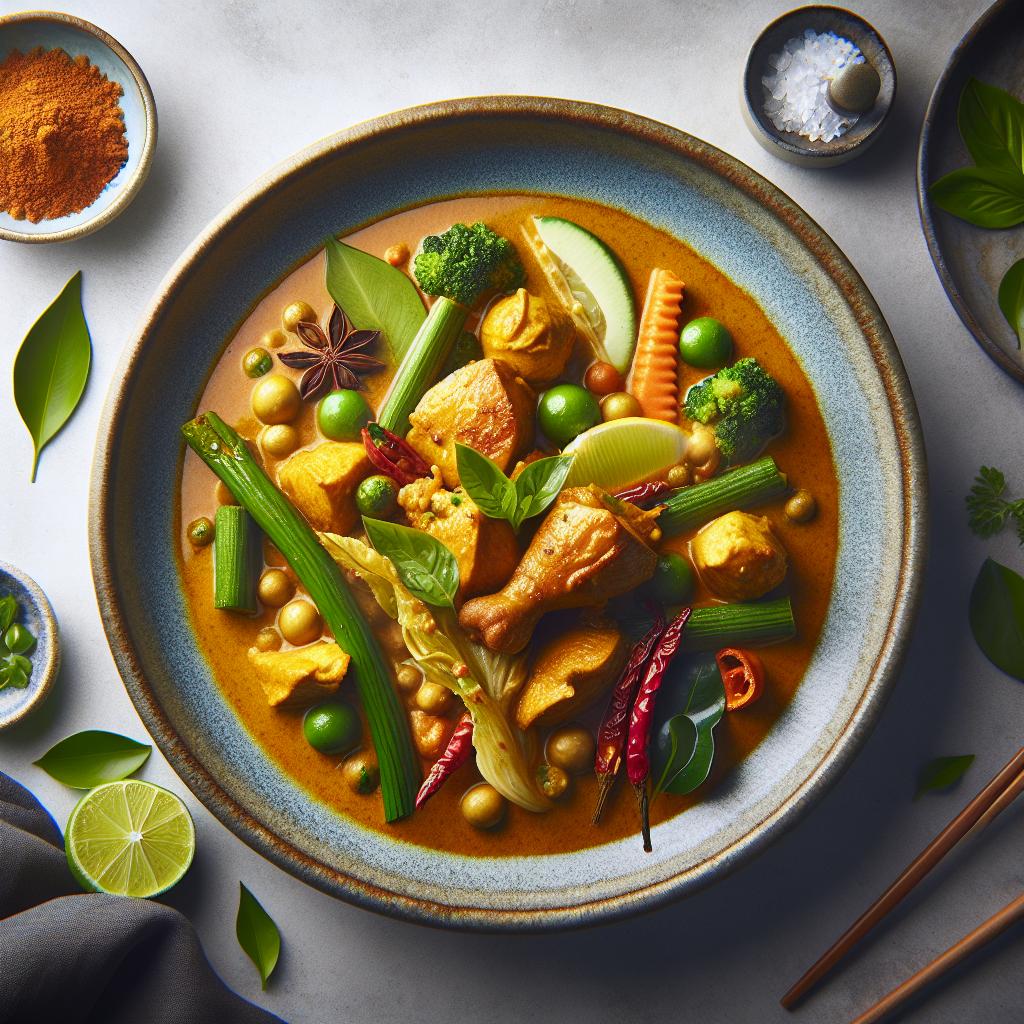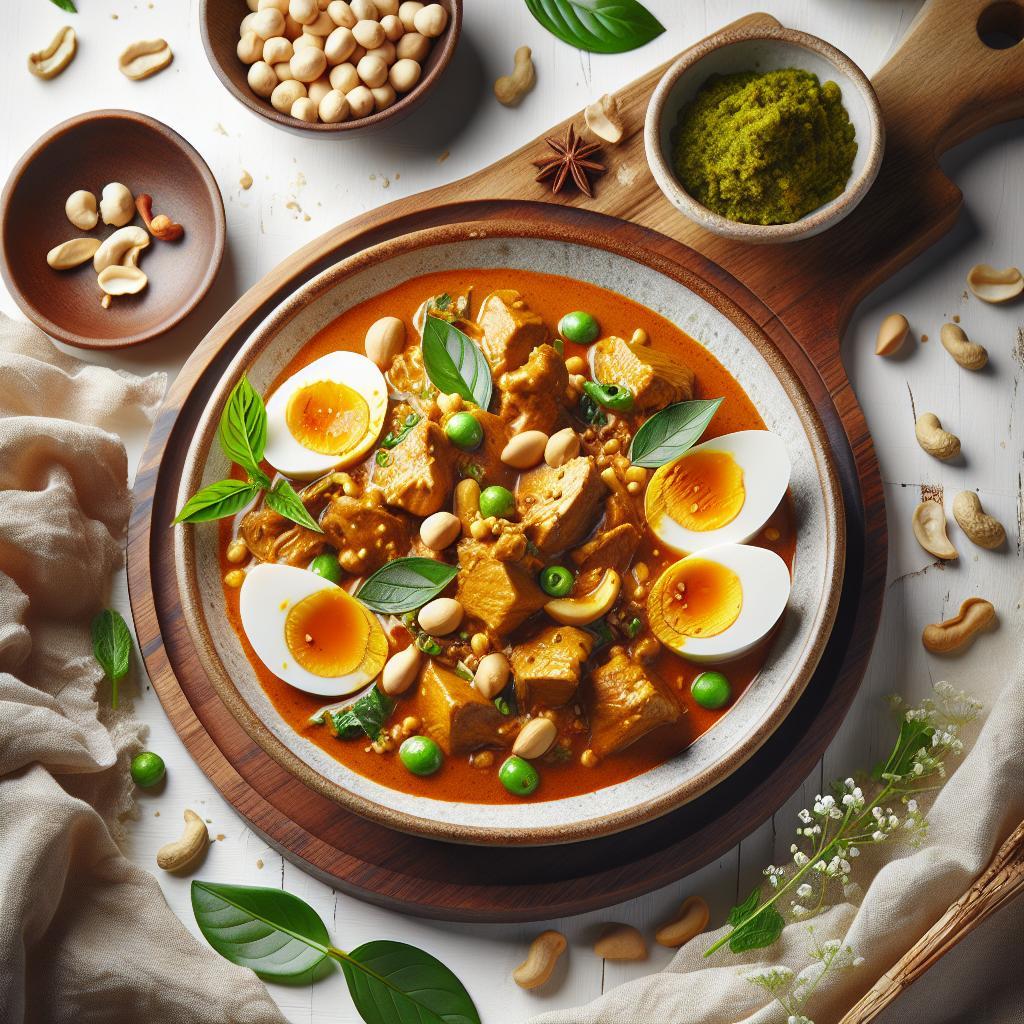

In the vibrant tapestry of Thai cuisine, few dishes capture the essence of cultural fusion and culinary artistry quite like Massaman curry. This rich, fragrant stew is much more than a meal; it’s a journey through history, blending the warm spices of Persia, the creamy indulgence of coconut milk, and the bold, aromatic herbs of Thailand. As we explore Massaman curry, we uncover layers of flavor that tell a story of tradition, trade, and transformation-a delicious testament to Thailand’s diverse heritage. Join us as we delve into the origins, ingredients, and unique characteristics that make Massaman curry a cherished treasure on the global gastronomic stage.
Massaman Curry Thai is a sumptuous celebration of aromatic spices and rich, creamy coconut milk, weaving a flavorful tale of Thai-Muslim influence across centuries. This curry embodies a unique blend of Southeast Asian ingredients paired with Persian and Indian culinary traditions, making it a dish both historically significant and delightfully complex. As you embark on crafting this dish, you’ll uncover the harmony of cardamom, cinnamon, cloves, and star anise – each spice contributing warmth and depth to the velvety sauce.
Prep and Cook Time
- Preparation: 20 minutes
- Cooking: 45 minutes
- Total: 1 hour 5 minutes
Yield
- Serves 4-6 people
Difficulty Level
- Medium – Requires time for spice roasting and balancing flavors
Ingredients
- 2 tbsp Massaman curry paste (homemade or quality store-bought)
- 500g beef chuck, cut into 1.5-inch cubes
- 400ml coconut milk, full fat
- 2 medium potatoes, peeled and diced
- 1 large onion, sliced
- 3 tbsp roasted peanuts
- 2 tbsp tamarind paste
- 1 tbsp palm sugar (can substitute brown sugar)
- 2 star anise pods
- 1 cinnamon stick
- 3 cardamom pods, lightly crushed
- 3 tbsp fish sauce (or soy sauce for vegetarian variation)
- 2 tbsp vegetable oil
- Fresh Thai basil or cilantro for garnish
- Steamed jasmine rice, to serve
Instructions
- Roast and release spices: In a dry pan over medium heat, toast the cinnamon stick, cardamom pods, and star anise for 1-2 minutes until fragrant. Remove and set aside.
- Sauté the curry paste: Heat vegetable oil in a heavy-bottom pot. Add Massaman curry paste and stir-fry for about 2 minutes until aromatic and oil begins to separate. This intensifies the flavor.
- Brown the beef: Add beef cubes and stir thoroughly to coat them with paste. Sear until lightly browned on all sides for 5-7 minutes.
- Simmer the curry: Pour in half of the coconut milk, stirring to combine. Add star anise, cardamom, cinnamon, fish sauce, palm sugar, and tamarind paste. Bring to a gentle simmer, cover, and let cook for 30 minutes, stirring occasionally to prevent sticking.
- Add vegetables: Stir in diced potatoes and sliced onion. Pour in the remaining coconut milk and continue simmering uncovered for 15 minutes, or until meat and potatoes are tender and the sauce thickens.
- Toast peanuts: While the curry simmers, lightly toast peanuts in a dry pan for 3 minutes until golden and fragrant. Set aside.
- Final seasoning: Adjust saltiness by adding extra fish sauce or a pinch of sugar as needed. Remove whole spices before serving.
- Serve: Spoon curry over steamed jasmine rice and garnish with toasted peanuts and fresh Thai basil or cilantro leaves.
Tips for Success
- For authentic flavor, make or source a traditional Massaman curry paste featuring dry roasted spices ground finely with shrimp paste and chilies.
- Slow cooking beef until tender allows the spices to deeply infuse and the meat to become melt-in-your-mouth.
- Balance the richness of coconut milk with tamarind’s tang and palm sugar’s sweetness – this triumvirate defines the classic taste.
- Use full-fat coconut milk to achieve creaminess. Lighter versions can taste watery and lack depth.
- Vegetarian option: Substitute beef with tofu or chickpeas and replace fish sauce with soy sauce or tamari.
- Leftover curry tastes even better the next day as the flavors further harmonize.
Serving Suggestions
This curry pairs exquisitely with fragrant jasmine rice or Thai sticky rice for an authentic sensory experience. To elevate visual appeal and taste, sprinkle toasted peanuts atop and garnish with vivid green sprigs of fresh Thai basil or cilantro. For an extra textural contrast, serve with crisp fried shallots or a side of fresh cucumber salad dressed in lime and chili for brightness. A glass of chilled Riesling or Thai iced tea complements the warm spices beautifully.
| Nutritional Value (per serving) | Amount |
|---|---|
| Calories | 480 kcal |
| Protein | 35 g |
| Carbohydrates | 22 g |
| Fat | 28 g |
Discover more Thai curry essentials and unlock the secrets to vibrant seasoning and technique. For historical insights on Massaman curry’s Persian origins, visit the Encyclopedia Britannica article on Massaman curry.

Q&A
Q&A: Massaman Curry Thai – Exploring Rich Flavors and Heritage
Q1: What exactly is Massaman curry, and what sets it apart from other Thai curries?
A1: Massaman curry is a fragrant, rich Thai curry known for its harmonious blend of spices and creamy coconut milk. Unlike the fiery red or green Thai curries, Massaman is milder, sweeter, and has a unique depth of flavor influenced by Persian and Indian spices like cinnamon, cardamom, cloves, and nutmeg. This fusion of ingredients gives it a comforting, almost curry stew-like quality that’s both exotic and approachable.
Q2: Where did Massaman curry originate? Is it truly Thai?
A2: Massaman curry is a beautiful example of culinary cross-pollination. It originated in Southern Thailand but was heavily influenced by Persian-Muslim traders and Indian cuisine. The word “Massaman” is thought to be derived from “Muslim,” reflecting its origins. Despite this multicultural heritage, Massaman curry has become a beloved staple of Thai cuisine and reflects Thailand’s rich history of openness and adaptation.
Q3: What are the main ingredients that give Massaman curry its signature flavor?
A3: Key ingredients include coconut milk, roasted peanuts or cashews, tamarind paste, and an array of warm spices such as cinnamon sticks, cardamom pods, star anise, and cloves. Typically, it features beef, chicken, or tofu slow-cooked until tender, combined with potatoes, onions, and sometimes carrots. The blend of sweet, savory, earthy, and slightly tangy elements creates its irresistible complexity.
Q4: How is Massaman curry traditionally prepared and served?
A4: Traditionally, the curry paste is carefully ground with dried chilies, shallots, garlic, and spices, then fried in oil until fragrant. Coconut milk is then added, simmering with the meat and vegetables to develop a tender, velvety texture. It’s often served over steamed jasmine rice, making it a hearty meal perfect for sharing. Some recipes also incorporate palm sugar and fish sauce to balance sweetness and umami.
Q5: Can Massaman curry be adapted for different diets?
A5: Absolutely! While the classic version often uses beef or chicken, Massaman curry is wonderfully flexible. Vegetarians and vegans can swap meat for tofu, mushrooms, or hearty vegetables. Using vegetable broth and soy sauce instead of fish sauce makes it plant-based without losing flavor. Its creamy coconut base and spice mix lend themselves well to many adaptations.
Q6: Why has Massaman curry gained international popularity?
A6: Massaman curry’s rich history, balanced flavors, and comforting warmth have made it a favorite globally. Its mild spice level appeals to those who might find other Thai curries too intense, while still offering the exotic spices that intrigue adventurous eaters. Plus, its complex yet harmonious profile showcases the artistry behind Thai culinary traditions and the vibrant tapestry of cultural influences.
Q7: What makes eating Massaman curry a cultural experience?
A7: Enjoying Massaman curry is like taking a flavorful journey through centuries of trade, migration, and culinary exchange. Each bite is a testament to Southern Thailand’s melting pot of traditions and the blending of Muslim, Persian, Indian, and Thai cultures. It’s more than just food-it’s history served on a plate, connecting us with the stories and hands that created this beloved curry.
Whether you’re a seasoned Thai food lover or a curious newcomer, Massaman curry offers a delicious gateway into Thailand’s rich culinary heritage-where each spice tells a story, and every spoonful is a celebration of cultural harmony.
Concluding Remarks
As the aromatic spices of Massaman curry linger on your palate, so too does the rich tapestry of history and culture woven into every bite. This beloved Thai dish is more than just a meal-it’s a flavorful journey through centuries of trade, tradition, and culinary artistry. Whether enjoyed in a bustling Bangkok market or recreated in your own kitchen, Massaman curry invites us to savor not only its savory richness but also the story of heritage that makes it truly timeless. In exploring its depths, we connect with a vibrant legacy that continues to inspire and delight food lovers around the world.