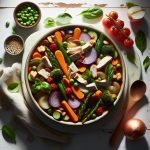
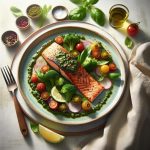
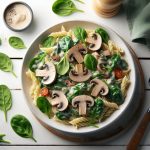
In the dynamic world of nutrition, few approaches blend discipline and flexibility quite like the ketogenic diet. But when you add a vegetarian twist to this high-fat, low-carb lifestyle, tracking your macros becomes a fascinating puzzle-one that challenges conventional food choices while inviting creativity on your plate. “Mastering Your Macros: Tracking on a Vegetarian Keto Diet” dives into the art and science of balancing fats, proteins, and carbs without sacrificing your plant-based principles. Whether you’re a seasoned keto enthusiast or a curious green eater, this guide will illuminate the pathway to nutritional harmony, empowering you to optimize your health and savor every bite along the way.
Mastering your macros on a vegetarian keto diet requires a nuanced understanding of how plant-based proteins and fats interact to fuel your body, especially when aiming for sustained ketosis. Unlike traditional keto plates, vegetarian options demand creativity and precision to balance protein power without relying on animal products, making every bite both nourishing and decadent.
Prep and Cook Time
Preparation: 15 minutes | Cooking: 20 minutes | Total: 35 minutes
Yield
Serves 4 hearty portions
Difficulty Level
Medium – Ideal for those familiar with keto basics but new to vegetarian adaptations
Ingredients
- 1 cup cooked tempeh, crumbled into bite-sized pieces
- 2 tablespoons extra virgin olive oil or avocado oil
- 1 cup chopped kale, tightly packed
- 1/2 cup sliced mushrooms, preferably cremini or shiitake
- 1/2 cup full-fat coconut cream
- 1 tablespoon ground flaxseeds
- 1/4 cup shredded vegan cheese (optional for added fat and flavor)
- 1 teaspoon smoked paprika
- 1/2 teaspoon garlic powder
- Salt and black pepper to taste
- Fresh herbs (such as thyme or basil) for garnish
Instructions
- Heat the oil in a large skillet over medium heat. Add the crumbled tempeh and sauté until it starts to turn golden brown, about 5 minutes, stirring occasionally for even browning.
- Add the mushrooms and kale to the skillet. Cook until mushrooms release their juices and kale wilts, roughly 5-7 minutes, stirring frequently to blend flavors.
- Sprinkle in the smoked paprika, garlic powder, salt, and pepper. Stir well to infuse the ingredients with smoky, savory depth.
- Reduce heat to low and pour in the coconut cream. Gently fold it through the mixture, allowing it to thicken slightly and create a creamy texture, about 3 minutes. This fat boost helps maintain ketosis.
- Remove from heat and mix in the ground flaxseeds. These add a subtle nuttiness and extra fiber while aiding in protein balance on your vegetarian keto plate.
- Plate your creation, optionally topping with shredded vegan cheese to amplify richness. Garnish with fresh herbs for a vibrant, fresh finish.
Chef’s Notes
- Protein Alternatives: Swap tempeh with firm tofu or seitan for texture variation while keeping macros in check.
- Fat Optimization: For a richer dish, mix in 1 tablespoon of MCT oil before serving to enhance ketone production.
- Meal Prep Tip: This dish refrigerates well for up to 3 days; reheat gently to preserve creamy texture.
- Flavor Boost: Add a splash of tamari sauce or nutritional yeast for umami depth without extra carbs.
- Low-Carb Veggie Swap: Kale can be interchanged with spinach or swiss chard depending on your preference and seasonal availability.
Serving Suggestions
Present this vibrant blend on a large plate with a side of avocado slices drizzled with lemon juice to complement the creamy coconut layer. A sprinkle of toasted pumpkin seeds adds crunch and an additional fat source, beautifully harmonizing the textures and flavors. Pair with a crisp cucumber salad tossed in apple cider vinegar for a refreshing counterpoint.
| Nutrient | Amount per Serving |
|---|---|
| Calories | 320 kcal |
| Protein | 18g |
| Carbohydrates | 7g (Net Carbs: 4g) |
| Fat | 24g |

For further guidance on balancing vegetarian keto macros, explore our comprehensive guide on Plant-Based Keto Protein Sources. To deepen your understanding of ketosis and fat metabolism, visit the National Institutes of Health Keto Review.
Q&A
Q&A: Mastering Your Macros-Tracking on a Vegetarian Keto Diet
Q1: What exactly are macros, and why do they matter on a vegetarian keto diet?
A1: Macros-short for macronutrients-are the three primary fuel sources our bodies need: fats, proteins, and carbohydrates. On a ketogenic diet, the magic happens when you shift your macros to high fat, moderate protein, and very low carbs, guiding your body into fat-burning mode called ketosis. For vegetarians, balancing these macros gets a creative twist since many typical keto foods are meat-based. Tracking macros ensures you meet your nutrition goals while staying in ketosis without compromising your plant-based principles.
Q2: Which macros are the trickiest to balance on a vegetarian keto plan?
A2: Carbs and proteins tend to be the culprits. Many plant proteins like beans and lentils are carb-heavy, which can kick you out of ketosis. Meanwhile, getting enough fat while avoiding animal products requires savvy choices like nuts, seeds, avocados, and coconut oil. Protein sources like tofu, tempeh, and certain cheeses become essential. Tracking helps spot the fine line between enough protein for muscle maintenance and too many carbs.
Q3: How can I accurately track my macros without obsessing over numbers?
A3: Tools are your best friends here-apps like MyFitnessPal or Carb Manager let you log meals and see your macro breakdown instantly. To keep it balanced but breezy, start by tracking for a week to understand your food patterns, then use instinct combined with these insights. Using simple kitchen scales and measuring cups removes guesswork, giving you freedom to innovate confidently in the kitchen.
Q4: What are some delicious vegetarian keto foods to prioritize?
A4: Embrace the creamy richness of avocados, the satisfying crunch of almonds and walnuts, and the versatile magic of tofu and tempeh. Olive oil, coconut oil, and butter (if you’re lacto-vegetarian) add fat without carbs. Don’t forget leafy greens and low-carb veggies like zucchini, cauliflower, and spinach-they add fiber and nutrients with minimal net carbs.
Q5: What common pitfalls should I watch out for during macro tracking?
A5: Beware hidden carbs sneaking into sauces, dressings, or even “keto-friendly” packaged foods. Over-relying on cheese can skew protein and fat ratios or cause digestive issues. Also, don’t neglect micronutrients-tracking macros isn’t just about numbers; it’s about nourishing your body holistically. Ensuring you get enough electrolytes and fiber helps avoid keto flu and keeps digestion smooth.
Q6: How long does it take to get comfortable tracking macros on this diet?
A6: Like mastering any new language, fluency comes with practice. Many find the first two weeks a learning curve-identifying favorite go-to foods, adjusting recipes, and fine-tuning portions. After a month, tracking often becomes intuitive, less about rigid measuring and more about mindful eating and confidence in your macro balance.
Mastering your macros on a vegetarian keto journey is an art fueled by curiosity, patience, and creativity. With the right tracking strategies, you can personalize a lifestyle that honors your values and unlocks vibrant health.
Key Takeaways
Mastering your macros on a vegetarian keto diet is more than just numbers-it’s about crafting a lifestyle that fuels your body and honors your values. As you navigate this unique balance, remember that tracking is a tool, not a trap. With every carefully measured meal, you’re not just counting carbs, proteins, and fats-you’re cultivating a deeper understanding of how plant-based nutrition meets ketogenic science. Embrace the challenge, experiment with vibrant veggies, nuts, and healthy fats, and watch as your macro mastery turns into sustainable, energized living. Your journey to thriving on a vegetarian keto path starts one tracked meal at a time-so log wisely, eat creatively, and thrive wholeheartedly.