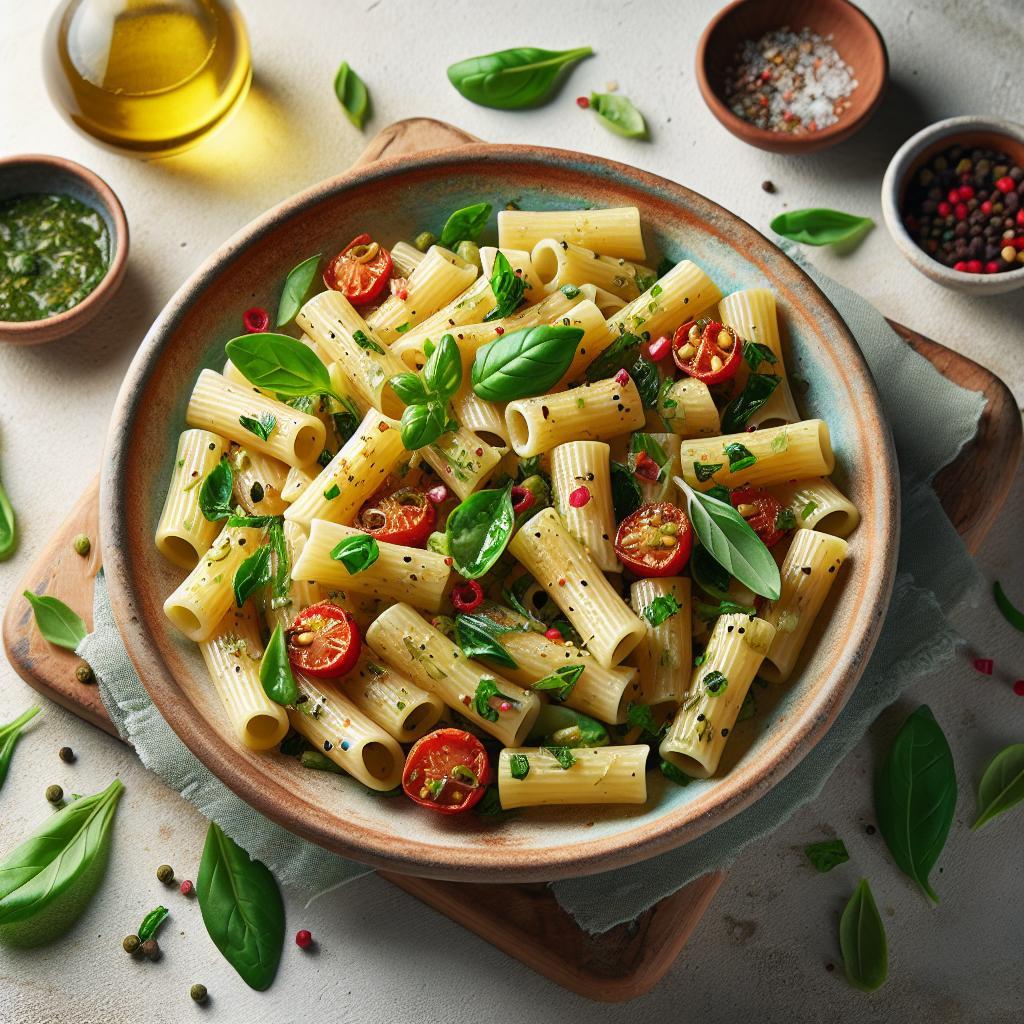

In the heart of every Italian kitchen lies a treasure trove of flavors-vibrant, sun-kissed, and steeped in tradition. Mediterranean Herb Rigatoni invites you on a flavorful pasta journey that celebrates the bounty of fragrant herbs, ripe tomatoes, and earthy olives, all twirling together in perfect harmony. This dish isn’t just a meal; it’s an experience, a culinary voyage that transports your taste buds to the azure coasts and rolling hills of the Mediterranean. Join us as we explore the story behind this vibrant recipe, uncover its fragrant ingredients, and discover how simple, fresh elements can transform rigatoni into a masterpiece of taste and texture.
Mediterranean Herb Rigatoni: A Flavorful Pasta Journey
Mediterranean Herb Rigatoni captures the essence of sun-kissed shores, vibrant markets, and the rich culinary traditions of the Mediterranean basin. This pasta journey is not just about eating but experiencing a blend of fresh herbs, ripe tomatoes, and carefully selected spices that elevate simple rigatoni into a memorable feast. Inspired by coastal kitchens where fragrant basil, oregano, and rosemary grow abundantly, this dish promises bold flavors and an irresistible aroma that fills your home with warmth and comfort.
Prep and Cook Time
- Preparation: 15 minutes
- Cooking: 20 minutes
- Total Time: 35 minutes
Yield
- Serves 4 generous portions
Difficulty Level
- Easy to Medium – perfect for home cooks wanting restaurant-quality results
Ingredients
- 12 oz rigatoni pasta
- 3 tbsp extra virgin olive oil
- 4 cloves garlic, minced
- 1 small yellow onion, finely chopped
- 1 can (14 oz) crushed San Marzano tomatoes
- 1 tsp dried oregano
- 2 tsp fresh rosemary, finely chopped
- 1 handful fresh basil leaves, chopped
- 1 tsp crushed red pepper flakes (optional, for a mild kick)
- Salt and freshly ground black pepper, to taste
- 1/4 cup grated Pecorino Romano cheese, plus extra for garnish
- Fresh parsley, chopped (for garnish)
- Juice of half a lemon (to brighten the sauce)
Instructions
- Bring a large pot of salted water to a boil. Cook the rigatoni until al dente-usually 1-2 minutes less than package instructions. Stir occasionally to prevent sticking. Drain and set aside, reserving 1/2 cup pasta water.
- Heat olive oil in a large skillet over medium heat. Add the chopped onion and sauté until translucent, about 5 minutes. Stir often to coax out natural sweetness.
- Add minced garlic, rosemary, and red pepper flakes (if using), sauté for another minute until fragrant but not burnt.
- Pour in the crushed tomatoes and dried oregano. Stir well and simmer over medium-low heat for 10-12 minutes, allowing the flavors to meld and the sauce to thicken slightly.
- Season the sauce generously with salt, black pepper, and lemon juice. Taste and adjust seasoning as necessary to find that perfect balance between acidity and herbaceous depth.
- Toss the cooked rigatoni directly into the sauce. Add reserved pasta water a little at a time to loosen the sauce if needed, stirring gently to coat every ridged tube of pasta with vibrant flavor.
- Fold in fresh basil and Pecorino Romano cheese. Continue to stir just until the cheese melts into the sauce, creating a luscious, silky texture.
- Transfer the pasta to warmed bowls or a serving platter. Garnish with extra cheese and a sprinkle of fresh parsley for a pop of color and herbal brightness.
Tips for Success with Mediterranean Herb Rigatoni
- Use fresh herbs: Fresh rosemary and basil make all the difference. If unavailable, increase dried herb quantities but add them earlier in cooking to infuse better.
- Do not overcook pasta: The key to perfect rigatoni is firm-to-the-bite texture that holds sauce wonderfully. Test a piece a minute or two before the suggested cooking time.
- Reserve pasta water: This starchy liquid helps marry the sauce and rigatoni beautifully while preventing dryness.
- Make-ahead option: Prepare the sauce a day ahead; flavors develop even deeper overnight. Reheat gently before tossing with fresh pasta.
- Substitutions: Use Parmesan if Pecorino Romano is unavailable, or swap rigatoni for penne for a similar tubular pasta that holds sauce well.
Serving Suggestions
Present Mediterranean Herb Rigatoni in rustic, warm bowls to emphasize its homey yet elegant aura. Add a drizzle of extra virgin olive oil just before serving for a silky finish. Pair with a crisp green salad of baby arugula, lemon vinaigrette, and toasted pine nuts. Serve alongside crusty artisan bread to sop up every last flavorful drop.
For a feast that excites the senses, serve with a refreshing cucumber and tomato salad garnished with mint and a squeeze of lemon. A light sparkling water infused with fresh citrus slices makes an ideal non-alcoholic accompaniment.
| Nutritional Information (per serving) | Amount |
|---|---|
| Calories | 420 kcal |
| Protein | 15 g |
| Carbohydrates | 60 g |
| Fat | 12 g |

Expand your culinary repertoire with other Mediterranean delights; visit Mediterranean Vegetable Stew for a wholesome vegetarian option. For detailed herb profiles and health benefits, consult Medical News Today’s guide to Mediterranean herbs.
Q&A
Q&A: Mediterranean Herb Rigatoni – A Flavorful Pasta Journey
Q1: What makes Mediterranean Herb Rigatoni stand out among other pasta dishes?
A1: Mediterranean Herb Rigatoni captures the vibrant essence of the Mediterranean with its blend of fresh herbs, sun-kissed vegetables, and rich olive oil. The hearty rigatoni pasta serves as a perfect canvas, its ridged surface embracing every bit of herby sauce, creating a harmonious explosion of flavor and texture with every bite.
Q2: Which herbs are typically used in this Mediterranean-inspired rigatoni recipe?
A2: Classic Mediterranean herbs like rosemary, thyme, oregano, basil, and parsley come together to infuse the dish with aromatic depth. These herbs not only add fragrance but also layer the flavors, providing a bright and earthy balance that epitomizes the Mediterranean culinary spirit.
Q3: Can this dish be prepared with alternative ingredients for different dietary preferences?
A3: Absolutely! Mediterranean Herb Rigatoni is wonderfully versatile. For a plant-based twist, swap traditional cheese with nut-based or nutritional yeast alternatives. Incorporate a variety of seasonal vegetables like zucchini, eggplant, or roasted bell peppers to boost color and nutrition, while keeping the dish naturally gluten-free by using gluten-free rigatoni options.
Q4: How does the choice of pasta shape, specifically rigatoni, contribute to the overall eating experience?
A4: Rigatoni’s large, ridged tubes are designed to hold onto chunky sauces and herbs. Their shape allows the vibrant Mediterranean herb sauce to cling and nest inside each tube, ensuring that each forkful delivers a burst of flavor and a satisfying bite with the perfect balance of pasta and sauce.
Q5: What cooking techniques are key to bringing out the best flavors in Mediterranean Herb Rigatoni?
A5: Sautéing fresh garlic and herbs gently in high-quality extra virgin olive oil releases their essential oils, creating a fragrant base. Slowly simmering the sauce helps meld flavors, while finishing with a fresh herb garnish adds brightness. Perfectly al dente pasta is crucial, as it provides a tender yet slightly firm texture that complements the sauce beautifully.
Q6: How can one make Mediterranean Herb Rigatoni a complete meal?
A6: Pairing the rigatoni with a side of roasted Mediterranean vegetables or a crisp salad featuring olives, cherry tomatoes, and cucumbers enhances the meal’s freshness and nutritional profile. Incorporating protein like grilled chicken, chickpeas, or feta cheese rounds out the dish for a satisfying and wholesome dining experience.
Q7: What cultural influences are reflected in the Mediterranean Herb Rigatoni recipe?
A7: The dish reflects the rich culinary traditions of Mediterranean regions-where herbs grow wild, olive oil reigns supreme, and vegetables are celebrated for their natural flavors. It’s a tribute to simple, rustic cooking that emphasizes freshness, balance, and harmony, echoing the warmth and sunshine of Mediterranean coastlines.
Q8: What tips do chefs recommend for storing and reheating leftover Mediterranean Herb Rigatoni?
A8: Store leftovers in an airtight container refrigerated for up to three days. When reheating, add a splash of olive oil or vegetable broth to maintain moisture and gently warm on the stovetop or microwave. Fresh herbs can be sprinkled on top after reheating to revive the dish’s vibrant aroma and flavor.
This Q&A guides readers through the sensory and cultural journey packed inside every serving of Mediterranean Herb Rigatoni, inspiring them to embrace a flavorful and wholesome pasta adventure.
In Conclusion
As your fork twirls through the vibrant strands of Mediterranean Herb Rigatoni, each bite becomes a celebration of sun-soaked flavors and timeless tradition. This dish is more than just a meal-it’s a journey to the heart of the Mediterranean, where fragrant herbs, rich tomatoes, and hearty pasta unite in perfect harmony. Whether you’re a seasoned chef or a curious food lover, embracing this recipe invites you to savor the essence of a region known for its passion, simplicity, and vibrant tastes. So next time you crave something both comforting and adventurous, let Mediterranean Herb Rigatoni transport your palate to those coastal shores-one delicious bite at a time.