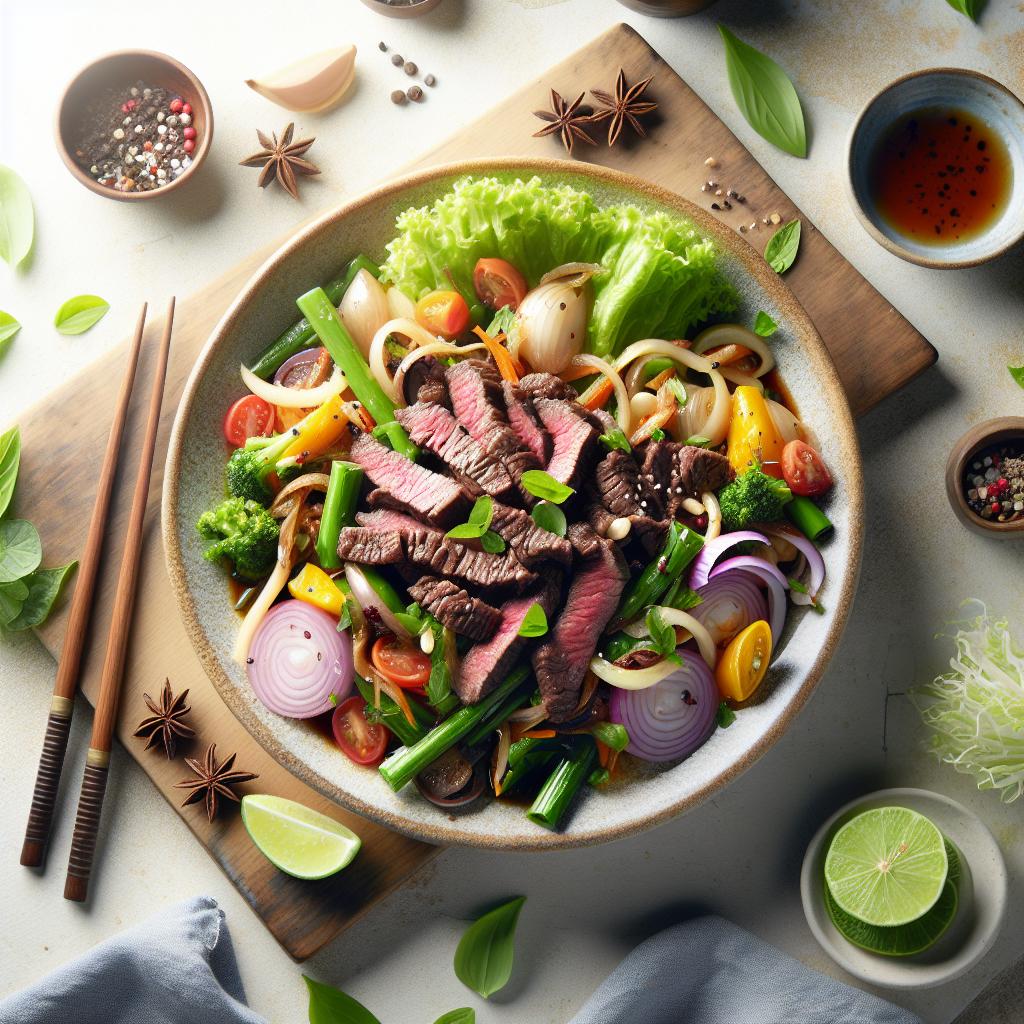
In the vibrant tapestry of global gastronomy, few cuisines captivate the senses quite like Thai food-where every bite tells a story of tradition, culture, and artistry. Among its many treasures, beef takes center stage, transforming humble cuts into exquisite dishes bursting with bold flavors and aromatic nuances. “Savor the Flavor: Exploring the Art of Beef Thai Cuisine” invites you on a tantalizing journey through fragrant markets, sizzling woks, and time-honored recipes. Join us as we delve into the skillful blend of spices, herbs, and cooking techniques that elevate beef from simple sustenance to a celebration of culinary craftsmanship, revealing why this beloved protein holds a special place in Thailand’s rich food heritage.
Mastering the Balance of Flavors in Classic Beef Thai Dishes
Savor the Flavor: Exploring the Art of Beef Thai Cuisine invites you to journey deep into Thailand’s vibrant culinary heritage through the lens of its beloved beef dishes. Originating from a rich tapestry of regional traditions, these recipes harmoniously balance sweet, savory, sour, and spicy elements, creating an exhilarating dance on the palate that’s both comforting and adventurous. I recall my first taste of Neua Pad Prik-a fiery stir-fried beef delight-at a night market in Chiang Mai, where the smoky wok char and fragrant Thai basil left an indelible mark on my cooking soul.
Prep and Cook Time
- Preparation Time: 20 minutes
- Cooking Time: 15 minutes
- Total Time: 35 minutes
Yield
Serves 4 hearty portions
Difficulty Level
Medium – Ideal for cooks keen to explore authentic Thai flavors while mastering essential techniques
Essential Ingredients for Authentic Taste
- 500g beef sirloin or flank steak, thinly sliced against the grain
- 3 tbsp vegetable oil (preferably peanut or canola)
- 4 cloves garlic, finely minced
- 2 fresh Thai bird’s eye chilies, sliced thin (adjust to spice preference)
- 1 medium shallot, thinly sliced
- 2 tbsp fish sauce
- 1 tbsp light soy sauce
- 1 tbsp oyster sauce (ensure no pork derivatives)
- 1 tsp palm sugar (or brown sugar as substitute)
- 1/4 cup water or beef broth
- Handful of fresh Thai basil leaves, torn
- 1 stalk lemongrass, bruised (optional, for infusion)
- Juice of 1 lime
Step-by-Step Instructions
- Prepare the beef: Thinly slice the beef across the muscle fibers to ensure tenderness. Pat dry with paper towels to achieve a perfect sear.
- Marinate briefly: Toss the beef with 1 tablespoon of fish sauce and 1 teaspoon of palm sugar. Set aside for 10 minutes to infuse flavor and tenderize.
- Heat the wok: Place a wok over high heat until almost smoking. Add 2 tablespoons of vegetable oil and swirl to coat, ensuring even cooking.
- Sauté aromatics: Add minced garlic, sliced shallots, and bird’s eye chilies. Stir-fry until fragrant and golden, about 1-2 minutes, taking care not to burn the garlic.
- Cook the beef: Add the marinated beef in a single layer, letting it sear undisturbed for 1 minute before tossing. Stir-fry continuously until the beef is just cooked through, about 3-4 minutes. Add the bruised lemongrass stalk here if using, for subtle aromatic depth.
- Build the sauce: Stir in the oyster sauce, light soy sauce, remaining fish sauce, and water or broth. Toss well to coat the beef, allowing the sauce to reduce and thicken for 2 minutes.
- Finish with herbs: Remove the lemongrass stalk. Stir in torn Thai basil leaves and lime juice just before taking off heat to preserve freshness and brightness.
- Serve immediately: Transfer to a warmed serving dish and garnish with additional fresh basil and thinly sliced red chili for visual contrast.
Tips for Success
- Choosing the right cut: For tender results, opt for sirloin, flank, or ribeye. These cuts hold up well to quick stir-frying without becoming tough.
- Knife skills: Freeze the beef for 15 minutes before slicing to aid in getting paper-thin pieces that cook evenly.
- Flavor balance: Adjust fish sauce and lime juice to taste-it’s essential to hit that perfect harmony between salty, tangy, and sweet.
- Make-ahead: You can prep the marinade and slice beef up to 24 hours ahead. Store covered and chilled to deepen the flavors.
- Heat control: Maintaining high heat is crucial for the smoky “wok hei” effect-don’t overcrowd the pan or the beef will steam rather than sear.
Serving Suggestions
Present this sizzling beef Thai dish alongside steamed jasmine rice or fragrant sticky rice, allowing each grain to soak up the richly spiced sauce. Brighten the plate with fresh cucumber slices or a crisp papaya salad for contrast. Garnish with extra lime wedges and a scattering of chopped cilantro or scallions to heighten freshness and invite a burst of color.
| Nutrient | Per Serving |
|---|---|
| Calories | 320 kcal |
| Protein | 28 g |
| Carbohydrates | 6 g |
| Fat | 18 g |

For more inspiring Thai recipes that celebrate the bold and balanced nature of this cuisine, check out our Ultimate Guide to Thai Curries. To deepen your understanding of fish sauce’s vital role in Southeast Asian cooking, visit Serious Eats.
Q&A
Q&A: Savor the Flavor: Exploring the Art of Beef Thai Cuisine
Q1: What makes beef such a popular choice in Thai cuisine?
A1: Beef in Thai cuisine offers a rich, hearty flavor that balances beautifully with the cuisine’s bold spices, herbs, and tangy elements. Its versatility allows it to absorb the vibrant aromas of ingredients like lemongrass, galangal, and kaffir lime leaves, making every bite a celebration of texture and taste.
Q2: How does Thai cooking enhance the natural flavors of beef?
A2: Thai cooking employs a skillful harmony of techniques-stir-frying, grilling, and slow braising-paired with layers of spices, fresh herbs, and fermented sauces. This approach elevates the beef’s natural umami, while bright citrus notes and fiery chilies add complexity and contrast.
Q3: What are some iconic Thai beef dishes every foodie should try?
A3: Classics like Neua Pad Prik (spicy beef stir-fry), Suki Nam (Thai beef hot pot), and Nam Tok (grilled beef salad) showcase the art of balancing heat, sourness, and savory richness. Each dish offers a unique glimpse into the way beef unites with Thailand’s bold flavors.
Q4: Which herbs and spices are essential to crafting authentic beef Thai dishes?
A4: Key players include fresh coriander, Thai basil, garlic, shallots, and the essential trio of chilies, galangal, and kaffir lime leaves. These ingredients infuse the beef with aromatic layers that awaken the senses and define the cuisine’s unmistakable character.
Q5: How does the choice of beef cut influence the dish?
A5: Tender cuts like sirloin and ribeye are perfect for quick stir-fries, highlighting juiciness and subtle marbling, while tougher cuts such as brisket or chuck shine in slow-cooked dishes where time transforms them into succulent, flavor-packed treasures.
Q6: What cooking tips can home chefs use to master beef Thai cuisine?
A6: Marinate beef briefly to tenderize and infuse flavor without overpowering its natural taste. Use high heat to sear thin slices quickly, locking in juices. And don’t hesitate to balance spicy, salty, sweet, and sour notes-this symphony is the heart of authentic Thai flavor.
Q7: How does Thai beef cuisine reflect Thailand’s cultural and regional diversity?
A7: From the fiery, herbaceous dishes of the North and Northeast to the sweeter, milder flavors of Central Thailand, beef dishes reveal how local climates and traditions shape ingredient choices and cooking styles-inviting food lovers to embark on a flavorful journey through the country.
Q8: Can beef Thai cuisine be adapted for special dietary needs without losing its essence?
A8: Absolutely. Using natural sweeteners like palm sugar, low-sodium soy sauce, or coconut aminos maintains authenticity while catering to health considerations. Fresh herbs and bold spices remain the soul of every dish, ensuring vibrant flavors with every bite.
Q9: What role do sauces and condiments play in beef Thai dishes?
A9: Sauces like fish sauce, tamarind paste, and chili pastes act as flavor catalysts, layering saltiness, tang, and heat that marry perfectly with the beef’s richness. Condiments served alongside, such as pickled vegetables or fresh lime wedges, add dimension and allow diners to customize each mouthful.
Q10: Why is exploring beef Thai cuisine a must for adventurous eaters?
A10: It’s a gateway to experiencing bold, intricate flavors that challenge and delight the palate. Beef Thai dishes capture the essence of Thai culinary artistry-balancing freshness, spice, and umami-making every meal an unforgettable discovery.
Key Takeaways
As the vibrant tapestry of flavors in beef Thai cuisine continues to captivate palates around the world, it becomes clear that this culinary art is much more than just a meal-it is a celebration of culture, tradition, and creativity. From the fragrant herbs to the bold spices, each bite tells a story steeped in history and passion. Whether you’re a seasoned foodie or an adventurous eater, savoring the rich, complex nuances of beef Thai dishes invites you to explore a world where every flavor is thoughtfully crafted to delight and inspire. So next time you sit down to enjoy this remarkable cuisine, remember-you’re not just tasting food; you’re experiencing an art form that honors the very essence of Thailand’s culinary soul.