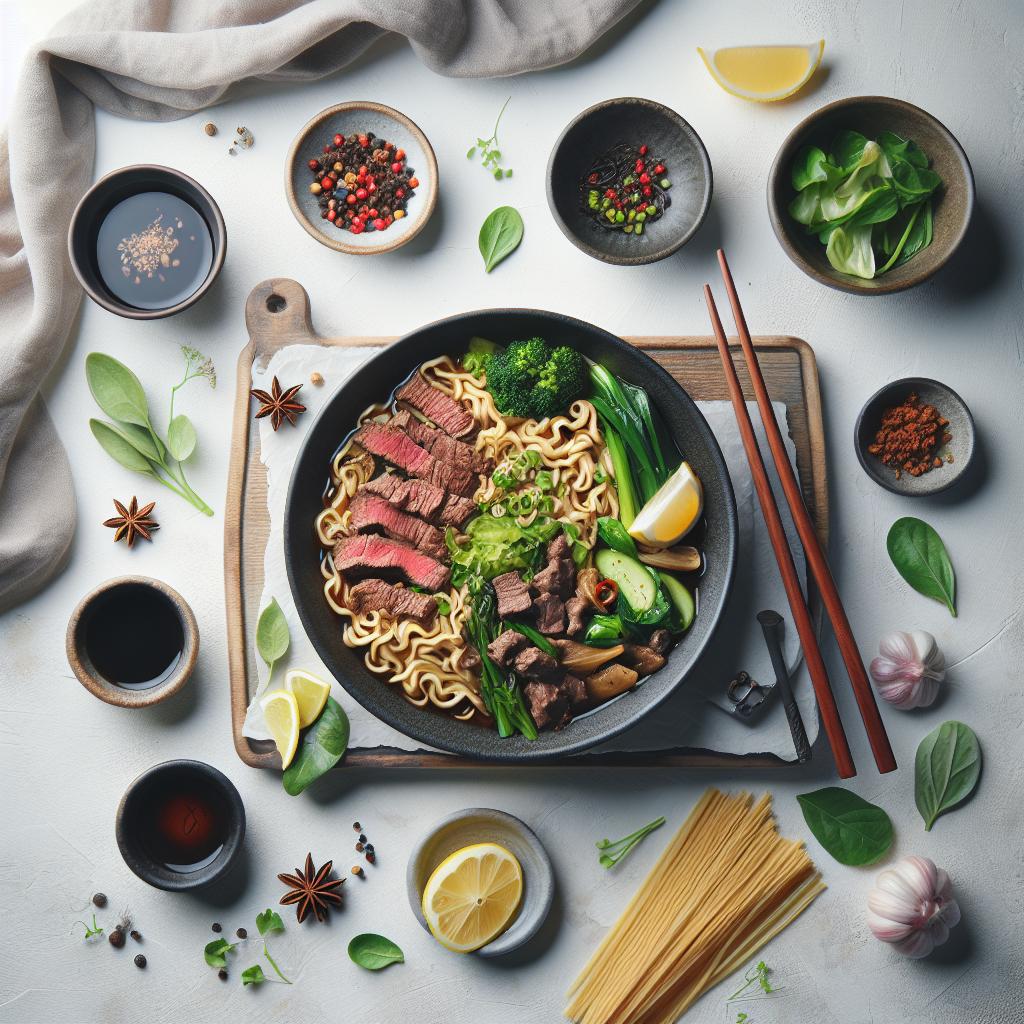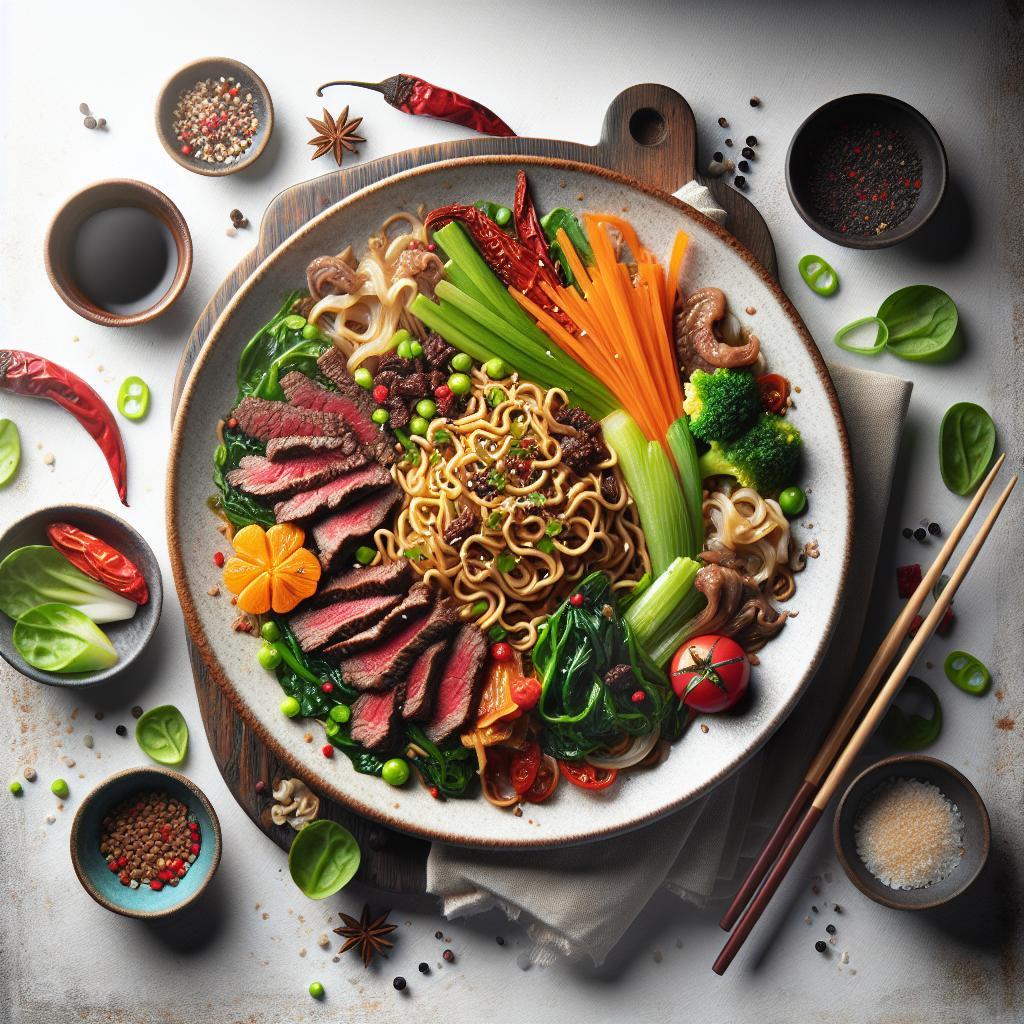

There’s something irresistibly comforting about a steaming bowl of classic beef noodles-a dish that weaves together tender, slow-cooked beef, springy noodles, and a broth bursting with rich, savory flavors. Celebrated across cultures and kitchens worldwide, this timeless culinary delight invites food lovers on a sensory journey where every spoonful unfolds layers of tradition, warmth, and hearty goodness. In this article, we delve into the art and essence of savoring classic beef noodles, uncovering why this humble dish continues to captivate palates and hearts alike.
Savor the Rich Flavors of Classic Beef Noodles Delight begins with an aromatic broth that embodies tradition and depth, elevating every spoonful to a comforting experience. Rooted in decades of culinary heritage, this iconic dish invites you to unlock layers of savory warmth where each ingredient sings harmoniously with tender beef and perfectly textured noodles.
Prep and Cook Time
- Preparation Time: 20 minutes
- Cooking Time: 3 hours (including broth simmering)
Yield
- Serves 4 hearty portions
Difficulty Level
- Medium – perfect for adventurous home cooks ready to master flavors and textures
Ingredients
- 2 lbs (900g) beef shank, trimmed and cut into large chunks
- 1 lb (450g) fresh wheat noodles or dry alkaline noodles
- 8 cups (2 liters) water
- 1 large onion, halved
- 4 cloves garlic, smashed
- 2-inch piece fresh ginger, sliced thinly
- 2 star anise pods
- 1 cinnamon stick
- 1 tablespoon Sichuan peppercorns
- 2 tablespoons soy sauce, dark for richness
- 1 tablespoon oyster sauce (vegetarian version available)
- 1 teaspoon sugar
- Salt to taste
- Fresh scallions, chopped for garnish
- Fresh cilantro sprigs to brighten the presentation
- Bok choy or napa cabbage, lightly blanched
Instructions
- Prepare the broth: In a large pot, add beef shank chunks and cover with water. Bring to a boil and simmer for 10 minutes, then drain and rinse the meat under cold water to remove impurities. This step ensures a clear broth.
- Add aromatics: Refill the pot with 8 cups of fresh water. Add cleaned beef, halved onion, garlic, ginger, star anise, cinnamon stick, and Sichuan peppercorns. Bring to a boil over medium-high heat, then reduce heat to low and simmer covered for 2.5 to 3 hours until beef is tender and flavorful.
- Strain and season: Once the beef is tender, carefully remove meat and set aside to cool slightly. Strain the broth through a fine mesh sieve to remove solids, returning liquid to the pot. Stir in dark soy sauce, oyster sauce, and sugar. Adjust salt to taste.
- Slice beef: Thinly slice the cooled beef shank against the grain to ensure maximum tenderness and ease of eating.
- Cook the noodles: Bring a large pot of water to a boil. Cook fresh wheat noodles for 2-3 minutes or dry alkaline noodles for 5-7 minutes until just tender but with a firm bite. Drain and rinse under cold water to stop cooking and prevent sticking.
- Prepare garnishes: Blanch bok choy or napa cabbage quickly in boiling water until bright green and crisp-tender. Drain well.
- Assemble bowls: Divide noodles evenly into warm bowls. Top with sliced beef and blanched greens. Ladle the aromatic broth over the noodles until compartments are filled with just enough savory liquid to soak the components.
- Finish and serve: Garnish generously with chopped scallions and fresh cilantro. Serve immediately, inviting diners to mix and savor the complex, rich layers of flavor.
Tips for Success
- Use a well-marbled cut like beef shank: It slowly breaks down during simmering, releasing gelatin that gives the broth a silky texture and deep mouthfeel.
- Simmer gently: A low and slow simmer preserves clarity and extracts maximum flavor without clouding the broth.
- Make broth ahead: For deeper flavor, prepare the broth a day before and refrigerate overnight; fat can be skimmed or stirred back in before reheating.
- Noodle choice matters: Alkaline noodles bring a chewy resilience that complements the rich broth, but fresh wheat noodles provide a soft, welcoming canvas.
- Herbs and spices: Star anise and cinnamon introduce sweet warmth, while Sichuan peppercorn adds subtle tingling notes-balance is key for that signature complexity.
- Vegetarian oyster sauce substitute: Use mushroom-flavored soy sauce if avoiding animal products.
Serving Suggestions
- Garnish with fresh herbs: A sprinkle of fresh Thai basil or mint alongside cilantro intensifies the fresh aromatic profile.
- Chili oil or pickled mustard greens: Provide optional heat and tang for personalizing the final bite.
- Side of crisp cucumber salad: Adds a refreshing contrast to the warm, robust noodles.
- Serve in wide, shallow bowls: This presentation showcases the vibrant colors of beef, noodles, and greens while inviting the diner to appreciate each component distinctly.

| Nutrient | Per Serving |
|---|---|
| Calories | 450 kcal |
| Protein | 38 g |
| Carbohydrates | 45 g |
| Fat | 12 g |
Explore more authentic noodle dishes in our Asian Noodle Recipes Collection to take your home cooking adventures further.
For deeper insight on the nutritional benefits of beef and optimizing cooking methods, consider reviewing resources on health and nutrition of beef provided by Healthline.
Q&A
Q&A: Savor the Rich Flavors of Classic Beef Noodles Delight
Q1: What makes classic beef noodles such a beloved comfort food?
A1: Classic beef noodles captivate food lovers with a harmonious blend of tender beef, hearty broth, and perfectly cooked noodles. The deep, savory flavors infused from slow-simmered spices and aromatics create a soul-warming dish that satisfies both the body and the heart.
Q2: Which cuts of beef are best suited for making rich and flavorful beef noodles?
A2: Cuts like brisket, shank, or chuck are ideal for beef noodles as they contain enough marbling and connective tissue to break down during slow cooking. This process results in succulent, melt-in-your-mouth pieces that enhance the broth’s richness.
Q3: How can one achieve a broth with depth and complexity in beef noodles?
A3: Building a broth with depth involves patience and layering flavors. Start by searing the beef to lock in juices, then simmer it gently with aromatics such as ginger, garlic, star anise, and cinnamon. Adding slow-cooked beef bones can also enrich the broth, lending it a velvety texture and robust profile.
Q4: Are there any special noodles preferred for this dish?
A4: While choices vary, chewy wheat noodles or hand-pulled noodles are celebrated for their ability to hold up beautifully in the beefy broth. Their texture complements the tender beef and absorbing the savory essence heightens every bite.
Q5: Can classic beef noodles be customized with vegetables or herbs?
A5: Absolutely! Fresh greens like bok choy, spinach, or Chinese broccoli add a crispness that contrasts with the hearty broth. Herbs such as cilantro, scallions, or Thai basil introduce brightness and a burst of fragrance, making the dish even more vibrant.
Q6: What cooking tips help avoid a greasy or overly fatty broth?
A6: Skimming the broth regularly during simmering removes excess fat and impurities, resulting in a clear, clean finish. Additionally, trimming bulky fat from the beef before cooking and controlling the heat to avoid rapid boiling help maintain a balanced richness.
Q7: How long should one typically simmer the beef for a perfect beef noodle stew?
A7: For optimal tenderness and flavor infusion, the beef should simmer gently for at least two to three hours. This slow cooking allows collagen to break down, transforming the meat into tender morsels and deepening the broth’s complexity.
Q8: What role do spices play in classic beef noodles?
A8: Spices are the silent heroes in the broth-star anise, cloves, cinnamon bark, and sometimes cardamom weave together a warm and intoxicating aroma. These spices not only enrich the taste but also balance the richness of the beef, creating an irresistible harmony.
Q9: Are there vegetarian modifications that can capture the essence of classic beef noodles?
A9: While the traditional essence centers on beef, a rich mushroom broth infused with the same warming spices can serve as a hearty vegetarian alternative. Using hearty mushrooms like shiitake or king oyster brings texture and umami, echoing the soul of the classic dish without beef.
Q10: What is the best way to serve and enjoy classic beef noodles?
A10: Serve piping hot with a side of chili oil or fresh lime wedges for added zest. Enjoy the layers of flavor slowly, pairing each bite of noodle and beef with a sip of the fragrant broth, allowing the full experience of this timeless culinary treasure to unfold.
To Conclude
As the steam rises from your bowl and the rich aromas mingle with the tender strands of beef noodles, you realize that this dish is more than just a meal-it’s a celebration of heritage, flavor, and comfort. Whether enjoyed in a bustling street market or crafted carefully in your own kitchen, classic beef noodles invite you to savor each bite with appreciation for the time-honored techniques and ingredients that bring this dish to life. So next time hunger calls, remember that a bowl of beef noodles is not just food-it’s an experience, a story, and a lingering embrace of flavors that warm both body and soul.