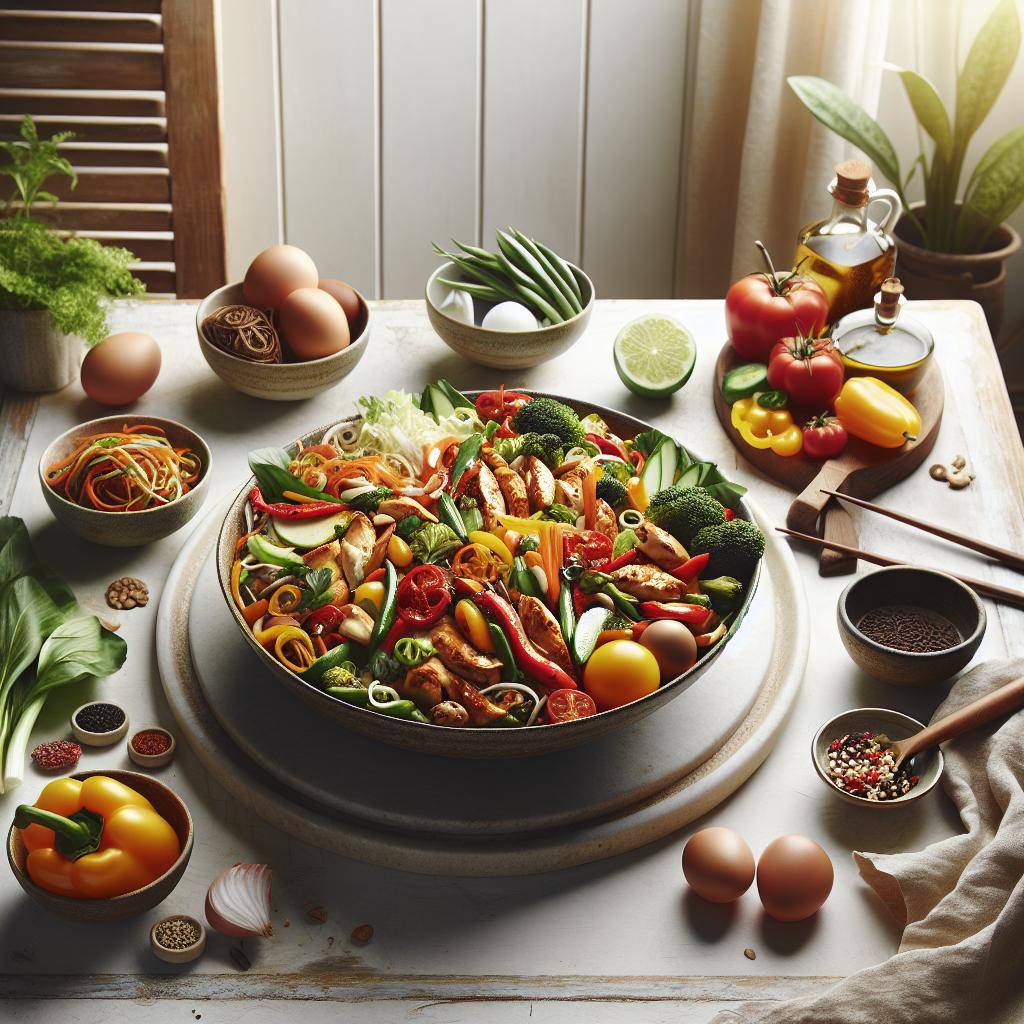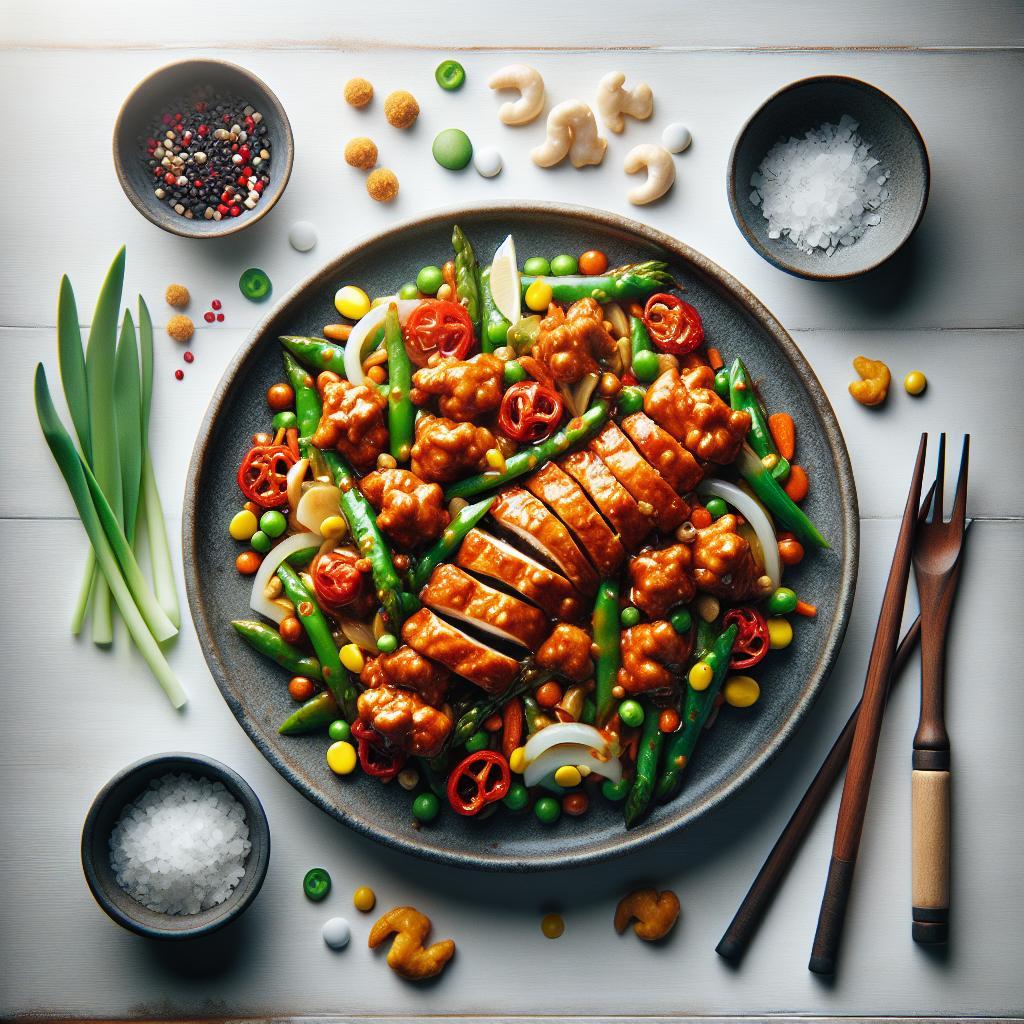

In the vibrant world of global cuisine, few dishes manage to surprise and delight the palate quite like Chicken Mongolian. Far from the traditional fare suggested by its name, this bold and flavorful creation offers a daring twist on classic flavors, marrying savory, sweet, and spicy notes in perfect harmony. Whether you’re a culinary adventurer or simply looking to elevate your dinner repertoire, savoring Chicken Mongolian promises a journey of taste that’s as exciting as it is satisfying. Join us as we explore the origins, ingredients, and techniques behind this dynamic dish that’s capturing hearts-and appetites-around the world.
Exploring the Origins and Unique Flavor Profile of Chicken Mongolian
Chicken Mongolian brings an exciting adventure to your palate through its rich heritage and distinctive taste. While inspired by traditional Chinese stir-fries, this bold twist showcases a captivating blend of sweet and savory flavors that captures the essence of Mongolian cooking influences, celebrated for their hearty, aromatic sauces and perfectly caramelized meats. My first encounter with this dish was a revelation-its glossy, molasses-like sauce clinging to tender, bite-sized chicken pieces immediately made it a favorite in my culinary repertoire. It’s a celebration of balance where the subtle sweetness meets the depth of soy-based umami, offset by warming garlic and the subtle heat of fresh ginger.
Mastering the Art of Balancing Sweet and Savory Notes
At the heart of Chicken Mongolian lies the masterful harmony between sweetness and savoriness. Using a combination of dark soy sauce and brown sugar creates a luscious molasses-like glaze, while hints of ginger and garlic introduce aromatic complexity. Achieving this equilibrium ensures every bite bursts with flavor without overwhelming the palate. The secret? Controlling heat carefully to caramelize the sauce without burning, allowing the deep notes to blossom slowly.
Essential Ingredients for an Authentic and Bold Taste Experience
- 1 lb boneless, skinless chicken thighs, cut into bite-sized pieces (chosen for tenderness and flavor)
- 3 tablespoons dark soy sauce for richness and depth
- 2 tablespoons brown sugar to develop the signature sweetness
- 2 cloves garlic, finely minced to infuse aromatic warmth
- 1 teaspoon fresh ginger, grated for subtle spiciness
- 1 tablespoon cornstarch to achieve the perfect crispy coating
- 2 tablespoons vegetable oil, for stir-frying
- 1 green onion, sliced thinly for garnish and freshness
- 1 teaspoon toasted sesame seeds to finish with nutty crunch
- Optional: ½ teaspoon red chili flakes to add a hint of heat
Prep and Cook Time
- Preparation: 15 minutes
- Cooking: 15 minutes
- Total: 30 minutes
Yield
Serves 4 hearty portions
Difficulty Level
Medium – approachable for confident home cooks looking to refine stir-fry technique
Instructions
- Marinate the chicken: Toss the chicken pieces in cornstarch until lightly coated. This ensures a crispy texture when cooked.
- Prepare the sauce: In a small bowl, whisk together dark soy sauce, brown sugar, garlic, ginger, and optional chili flakes until sugar dissolves.
- Heat the wok or large skillet: Add vegetable oil and warm it over medium-high heat until shimmering but not smoking.
- Stir-fry the chicken: Add chicken pieces in a single layer, cooking undisturbed for 2 minutes to develop a golden crust. Flip and cook for another 3-4 minutes, stirring occasionally to ensure even browning.
- Pour in the sauce: Immediately reduce heat to medium and pour the prepared sauce over the chicken. Stir continuously to coat and allow the sauce to thicken and glaze the chicken evenly, about 3-5 minutes.
- Final touches: Once the sauce is shiny and syrupy, remove from heat. Garnish with sliced green onions and toasted sesame seeds for a fresh, nutty contrast.
- Serve warm: Best enjoyed immediately with steamed jasmine rice or stir-fried vegetables to soak up the luscious sauce.
Pro Tips for Perfectly Tender Chicken and Vibrant Sauces
- Use chicken thighs instead of breasts to retain juiciness and avoid dryness during the high-heat cooking process.
- Don’t overcrowd the pan-working in batches if necessary keeps the chicken crisp rather than steamed.
- Control your heat levels carefully; too high will burn the sauce, too low will prevent caramelization. Aim for medium-high and adjust as needed.
- Fresh ginger and garlic are essential for authentic aroma-avoid pre-minced versions for maximum impact.
- Make the sauce ahead for even easier weeknight preparation; combine ingredients and refrigerate until ready.
- Internal link: Explore our guide on stir-fry techniques to enhance your cooking further.
- External resource: Learn more about the history of Mongolian cuisine here.
Serving Suggestions
Present your Chicken Mongolian with a side of fluffy steamed jasmine rice or garlic-infused fried rice for a comforting balance. Add lightly sautéed bok choy or snap peas sprinkled with toasted sesame seeds for vibrant color and crunch. Garnish with thinly sliced fresh green onions and a drizzle of toasted sesame oil for visual appeal and an extra layer of aroma. A wedge of lime on the side can provide a fresh citrus pop, balancing the dish’s sweetness beautifully.
| Nutrient | Per Serving |
|---|---|
| Calories | 340 |
| Protein | 32g |
| Carbohydrates | 18g |
| Fat | 14g |

Q&A
Q&A: Savoring Chicken Mongolian – A Bold Twist on Classic Flavors
Q1: What makes Chicken Mongolian different from traditional Mongolian beef?
A: While traditional Mongolian beef highlights tender slices of beef in a rich, savory sauce, Chicken Mongolian brings a fresh, lighter twist by using juicy chicken breast or thigh. This swap not only changes the texture and flavor profile but also offers a new way to enjoy the bold, sweet-savory sauce that defines the dish.
Q2: What are the key flavors that define Chicken Mongolian?
A: The magic lies in the balance of sweet and savory – think soy sauce, garlic, ginger, and brown sugar crafting a glossy, tantalizing sauce that coats the chicken beautifully. The addition of green onions adds a punch of freshness and mild spice, while a hint of chili can introduce a subtle kick.
Q3: How can home cooks achieve the perfect texture for Chicken Mongolian?
A: To keep chicken tender and juicy, marinating it briefly in a mixture of soy sauce and cornstarch helps lock in moisture. Stir-frying quickly over high heat ensures the chicken cooks through without drying out. Crisp edges juxtaposed with a succulent interior are the hallmark of expertly cooked Chicken Mongolian.
Q4: Can Chicken Mongolian be made healthier without losing its signature flavors?
A: Absolutely! Using skinless chicken breast, reducing added sugar slightly, and opting for low-sodium soy sauce can lighten the dish. Pairing it with steamed vegetables or brown rice adds nutritional value without compromising the bold, satisfying flavor.
Q5: What are some creative serving suggestions for Chicken Mongolian?
A: Beyond the classic steamed rice base, try serving Chicken Mongolian on cauliflower rice for a low-carb option, or atop a bed of stir-fried greens like bok choy or snap peas to boost the veggie quotient. It also makes a vibrant filling for lettuce wraps – a perfect hand-held way to enjoy all that savory goodness.
Q6: Are there any complementary side dishes that enhance the Chicken Mongolian experience?
A: Crisp Asian slaws with citrusy vinaigrette, sesame-roasted broccoli, or simple steamed edamame are fantastic companions. These sides add texture and brightness, creating a harmonious meal that balances bold flavors with freshness.
Q7: How can one adapt Chicken Mongolian for picky eaters or kids?
A: Dial down the chili or omit it entirely, and use a mild touch of garlic and ginger. Maintaining the sweet-savory sauce appeals to many young palates, and serving with familiar sides like plain rice or steamed carrots can make this dish a family favorite.
Q8: What inspired the creation of Chicken Mongolian as a variation of the classic?
A: Chicken Mongolian emerged from the desire to blend bold Asian flavors with lighter, more versatile proteins. It reimagines a beloved dish by making it accessible to those preferring poultry, while still delivering the signature sauce and satisfying bite that’s synonymous with Mongolian cuisine.
Q9: Could Chicken Mongolian be made in advance and reheated?
A: Yes, but for best results, keep the sauce separate from the chicken when storing. Reheat gently in a pan and toss together just before serving to preserve the chicken’s texture and prevent the sauce from thickening too much.
Q10: What cooking tools are ideal for preparing Chicken Mongolian?
A: A well-seasoned wok or a large skillet works great for stir-frying this dish quickly at high heat. Using a sharp chef’s knife ensures uniform chicken pieces for even cooking, and a sturdy spatula helps to toss everything together seamlessly.
This Q&A encapsulates the essence and versatility of Chicken Mongolian – an inspiring spin on a classic dish, designed to delight both adventurous palates and comfort food lovers alike.
In Summary
As the final bite of Chicken Mongolian lingers on your palate, you realize this dish is more than just a meal-it’s an invitation to reimagine familiar flavors with a bold, invigorating twist. Balancing sweetness and savoriness with a hint of sizzling spice, Chicken Mongolian transforms humble ingredients into a culinary adventure that captivates the senses. Whether you’re a seasoned foodie or a curious home cook, savoring this vibrant dish opens a door to exploring how tradition and innovation can dance together on a plate. So next time you crave comfort with a kick, let Chicken Mongolian guide your taste buds on an unforgettable journey beyond the expected.