
In the world of culinary alchemy, sweetness is just the beginning. Beyond adding flavor, sweeteners have a subtle superpower: the ability to soften, to transform textures from rigid to tender, crumbly to melt-in-your-mouth delight. Whether you’re baking a cake, whipping up a sauce, or crafting the perfect candy, choosing the right sweetener can be the secret ingredient that elevates your creation from ordinary to extraordinary. Join us as we uncover the sweeteners that soften – the unsung heroes behind texture magic – and learn how to harness their unique qualities to bring your recipes to life with a touch of silky, luscious perfection.
Sweeteners That Soften: Finding the Best for Texture Magic
Sweeteners that soften are culinary treasures, transforming everyday bakes into moist, tender masterpieces with deeper layers of flavor. From the luminous sheen of honey to the rich molasses undertones, these natural sweeteners don’t just add sweetness-they infuse moisture, enhance texture, and invite a level of complexity that granulated sugar alone simply cannot achieve. Drawing inspiration from traditional European confections and modern patisserie trends, this guide offers not only insight but practical recipes to celebrate the science and art behind softening sweeteners in your favorite desserts.
Prep and Cook Time
- Preparation: 15 minutes
- Cooking/Baking: 30-35 minutes
- Total Time: 45-50 minutes
Yield
Yields approximately 12 moist and tender cupcakes.
Difficulty Level
Easy to Medium-perfect for bakers looking to elevate texture without complexity.
Ingredients
- 1 cup all-purpose flour, sifted
- 3/4 cup honey (raw or mild-flavored for subtle sweetness)
- 1/2 cup unsalted butter, softened
- 1/4 cup brown sugar, packed
- 2 large eggs, room temperature
- 1/4 cup Greek yogurt for extra moisture
- 1 tsp baking powder
- 1/2 tsp baking soda
- 1/4 tsp salt
- 1 tsp vanilla extract
- Optional: Zest of one lemon or orange for aromatic brightness
Instructions
- Preheat your oven to 350°F (175°C). Line a 12-cup muffin tin with paper liners or lightly grease each cup.
- Cream together the butter, brown sugar, and honey in a large bowl until pale and fluffy-this step traps air to aid tenderness.
- Beat in the eggs, one at a time, ensuring each is fully incorporated before adding the next.
- Stir in the Greek yogurt and vanilla extract for added moisture and complexity.
- In a separate bowl, whisk together the flour, baking powder, baking soda, and salt. Gradually fold the dry ingredients into the wet mixture, taking care not to overmix to preserve tenderness.
- Add zest if using, folding in gently to distribute citrus notes evenly.
- Divide batter evenly among the prepared muffin cups, filling each about two-thirds full.
- Bake for 30-35 minutes or until a toothpick inserted in the center comes out clean or with moist crumbs attached.
- Cool the cupcakes in the pan for 5 minutes before transferring to a wire rack to cool completely, maintaining moisture.
Tips for Success
- Choose honey varieties thoughtfully-mild-flavored honey is perfect for subtle sweetness, while buckwheat or wildflower honey offers a robust character that intensifies flavor.
- Swap honey with maple syrup or agave nectar for nuanced texture shifts-each natural sweetener contributes different moisture retention and tenderness effects.
- For a gluten-free option, substitute all-purpose flour with an equal amount of almond or oat flour, adjusting moisture by reducing yogurt slightly.
- Ensure all ingredients, especially eggs and butter, are at room temperature to create a homogenous batter and prevent dense crumb.
- Store finished bakes in an airtight container at room temperature or refrigerated for extended moisture retention.
Serving Suggestions
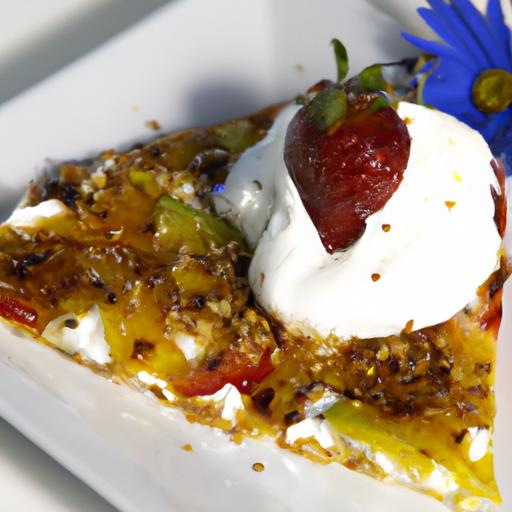
These tender cupcakes pair beautifully with a dollop of whipped cream or a light cream cheese frosting to complement the honey’s floral notes. Garnish with thin citrus strips or an edible flower for an elegant presentation. For a rustic charm, dust with powdered sugar just before serving, allowing the subtle sweetness and moist texture to shine forth in every bite.
| Nutrient | Per Serving |
|---|---|
| Calories | 210 |
| Protein | 4 g |
| Carbohydrates | 28 g |
| Fat | 9 g |
For more on sugar alternatives and their transformative magic in baking, visit our detailed Natural Sweeteners Guide or explore the scientific aspects of honey’s moisture retention at NCBI Honey Studies.

Q&A
Q&A: Sweeteners That Soften – Finding the Best for Texture Magic
Q1: What does it mean for a sweetener to “soften” in baking and cooking?
A1: When we say a sweetener “softens” in the kitchen, we’re talking about its ability to retain moisture and create a tender texture in baked goods or desserts. Instead of just adding sweetness, these sweeteners act like culinary magicians, keeping your treats moist, chewy, or delightfully plush.
Q2: Which sweeteners are known for their softening properties?
A2: Some of the top sweeteners that weave texture magic include honey, maple syrup, agave nectar, molasses, and brown sugar. These aren’t just sweet; they’re hygroscopic, meaning they attract and hold water, ensuring your cakes, cookies, or bars stay soft longer.
Q3: How does honey contribute to softness?
A3: Honey is a star performer because it’s packed with natural sugars and moisture. Its humectant qualities pull water into baked goods, preventing dryness. Plus, it encourages browning and adds a subtle floral sweetness, making textures richer and more tender.
Q4: What about molasses-doesn’t it make things heavy?
A4: While molasses has a robust flavor and darker color, it’s also phenomenal for adding chewiness and moisture. Used in moderation, it creates a luscious softness, especially in gingerbread and spice cakes. Think of it as a texture enhancer with a deep, caramel kiss.
Q5: Can artificial sweeteners soften like natural ones?
A5: Most artificial sweeteners lack the moisture-retaining magic of natural syrups or sugars. They often don’t contribute to texture in the same way, so if softness is your goal, natural sweeteners are your best bet. However, some sugar alcohols like sorbitol or erythritol have slight humectant effects.
Q6: Is brown sugar really better for softness than white sugar?
A6: Absolutely! Brown sugar contains molasses, which holds moisture and keeps goodies soft and chewy. White sugar, being fully refined, dries out faster. So, brown sugar is the secret weapon for tender cookies and moist cakes.
Q7: How can I substitute sweeteners without losing softness?
A7: When swapping in a new sweetener for softness, consider its water content and flavor strength. For example, replacing white sugar with honey usually means reducing other liquids slightly due to honey’s moisture. It’s all about balance to preserve that texture magic.
Q8: Are there sweeteners suitable for vegan desserts that also soften?
A8: Yes! Maple syrup and agave nectar are great vegan-friendly options that offer fantastic softening properties. They attract moisture and add gentle sweetness without compromising texture, perfect for plant-based delights.
Q9: What’s the takeaway when choosing a softening sweetener?
A9: Think beyond sweetness-choose sweeteners that add life to textures. Embrace natural syrups and unrefined sugars for their moisture-holding powers and nuanced flavors. Your baked goods will thank you with every tender, melt-in-your-mouth bite!
This Q&A shines a light on the enchanting world of sweeteners that soften, guiding you to make deliciously tender creations with a sprinkle of science and a dash of culinary charm.
To Conclude
As we unravel the subtle alchemy behind sweeteners that soften, it becomes clear that these magical ingredients do more than just sweeten-they transform textures, turning ordinary recipes into extraordinary experiences. Whether you’re aiming for the tender crumb of a cake, the perfect chewiness in cookies, or the luscious silkiness in sauces, choosing the right sweetener is your secret weapon in texture mastery. So next time you embark on a culinary adventure, remember: it’s not just about sweetness, but how that sweetness can soften, smooth, and elevate every bite into pure textural bliss. Here’s to the sweet science of softness-may your creations always be delightfully tender and irresistibly enchanting.