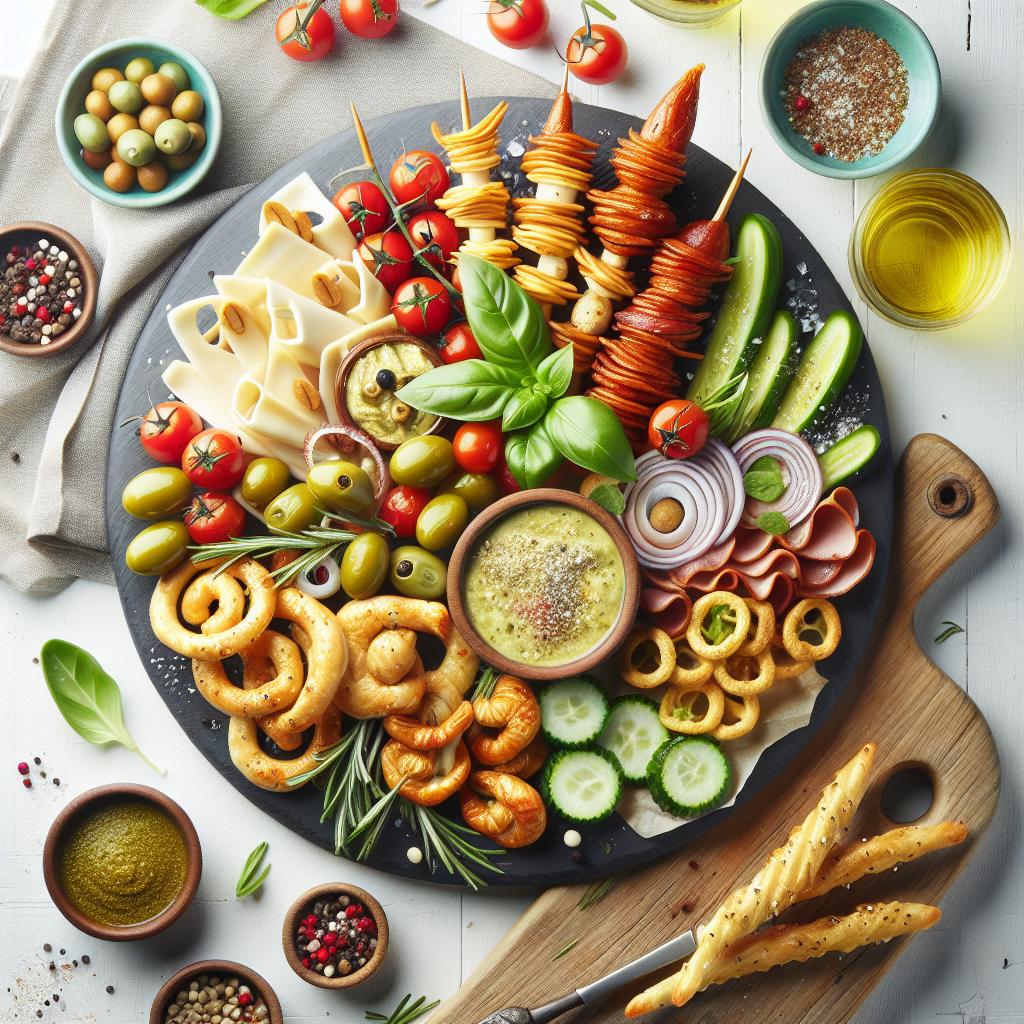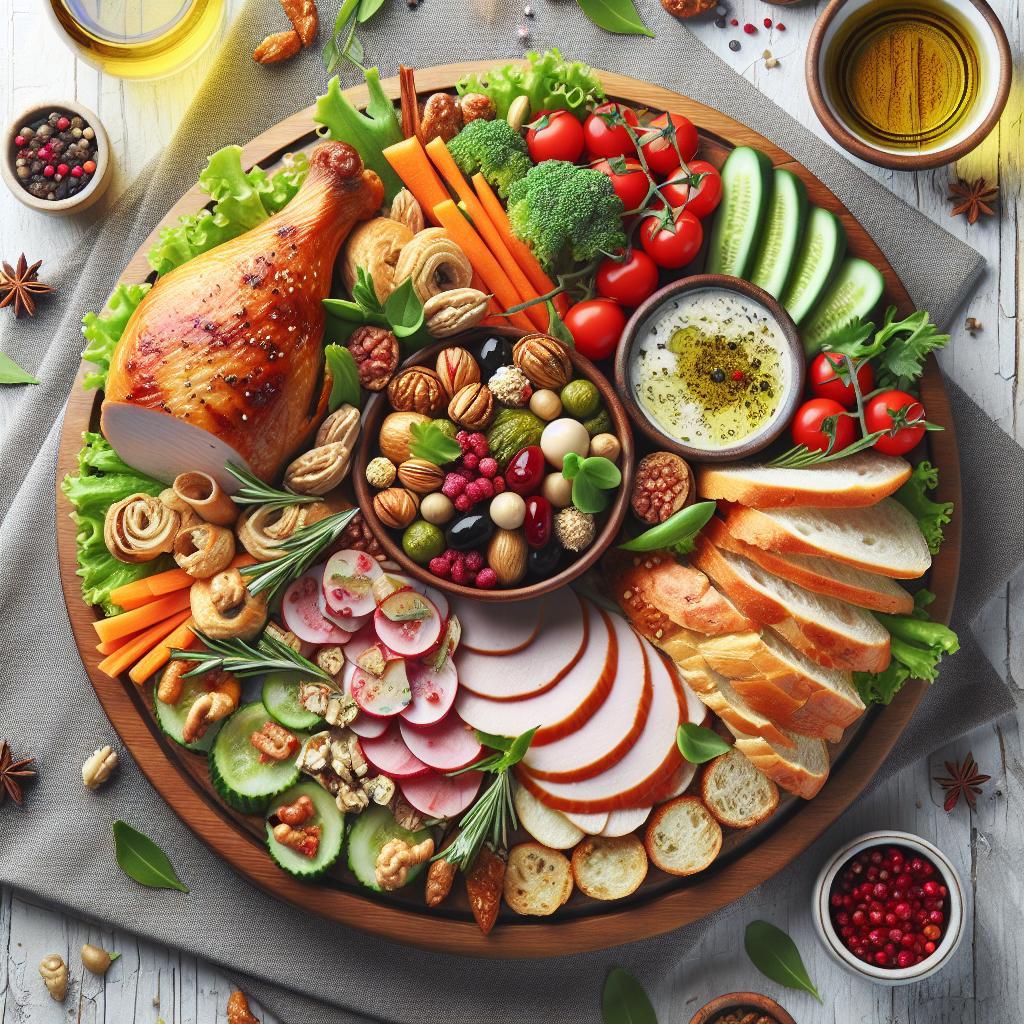

From bustling bazaars to cozy family kitchens, Turkey’s snack culture is a vibrant tapestry woven with centuries of tradition and a dash of modern flair. “Turkey Snacks Unwrapped: Tasty Bites from Tradition to Trend” invites you on a flavorful journey through the countless treats that have shaped Turkish palates from ancient times to today’s innovative snack scene. Whether it’s the irresistible pull of classic simit or the surprising twist of contemporary street food, each bite tells a story steeped in history, culture, and creativity. Join us as we uncover the rich flavors and evolving trends behind Turkey’s beloved snacks-where every morsel is a celebration of taste, heritage, and culinary imagination.
Exploring Classic Turkish Snacks: Börek with Spinach and Feta
Turkey Snacks Unwrapped: Tasty Bites from Tradition to Trend begin with timeless classics like Börek, a beloved savory pastry that perfectly captures the essence of Turkey’s rich culinary heritage. Originating from Ottoman kitchens, this flaky, golden-brown snack filled with vibrant spinach and creamy feta cheese is celebrated across regions for its irresistible combination of textures and flavors. I vividly remember sharing fresh börek on bustling Istanbul mornings-each crispy layer breaking apart to reveal a luscious, herb-infused filling that beckoned a second bite. This recipe invites you to embark on a flavorful journey right from your own kitchen, honoring tradition while embracing accessible ingredients and simple techniques.
Prep and Cook Time
- Preparation: 20 minutes
- Cooking: 30 minutes
- Total Time: 50 minutes
Yield
- Serves 6 as a snack or light meal
Difficulty Level
- Medium
Ingredients
- 8 sheets of phyllo dough, thawed if frozen
- 1 lb fresh spinach, washed and roughly chopped
- 1 cup crumbled feta cheese
- 1 medium onion, finely chopped
- 2 cloves garlic, minced
- 1/4 cup olive oil, divided
- 1/4 cup fresh parsley, chopped
- 1/4 teaspoon freshly ground black pepper
- 1/2 teaspoon ground nutmeg
- 1/2 teaspoon salt
- Sesame seeds or nigella seeds, for garnish (optional)
Instructions
- Prepare the filling: Heat 2 tablespoons olive oil in a skillet over medium heat. Add the chopped onion and sauté until translucent, about 5 minutes. Add minced garlic and cook for another 1 minute until fragrant.
- Wilt the spinach: Incorporate the chopped spinach, stirring frequently until wilted and most of the moisture evaporates-approximately 7 to 8 minutes. Remove from heat and let cool slightly.
- Combine filling ingredients: Transfer the spinach mixture to a bowl and stir in the crumbled feta, chopped parsley, black pepper, nutmeg, and salt. Mix gently but thoroughly to blend flavors.
- Prepare the phyllo dough: Preheat oven to 375°F (190°C). Lay one sheet of phyllo on a clean surface and brush lightly with olive oil. Layer a second sheet on top and brush again. Repeat with 2 more sheets to create a stack of four sheets.
- Assemble the börek: Spread one-quarter of the filling evenly along the edge closest to you. Carefully roll the layered phyllo over the filling into a tight cylinder, sealing the edges by brushing with a little olive oil. Place the roll on a greased or parchment-lined baking sheet. Repeat with remaining sheets and filling to make four rolls.
- Brush and garnish: Lightly brush the tops of each börek with olive oil, then sprinkle sesame or nigella seeds if desired, adding an aromatic crunch.
- Bake to golden perfection: Bake in the preheated oven for 25 to 30 minutes or until the rolls turn crisp and golden brown.
- Cool and serve: Allow the börek to cool slightly for 5 minutes before slicing. This helps the filling set and ensures each piece holds shape beautifully when served.
Tips for Success
- Keep phyllo sheets covered: Phyllo dries out quickly. Always cover unused sheets with a damp kitchen towel while working.
- Moisture balance: Thoroughly cooking spinach removes excess water, preventing soggy börek.
- Feta alternatives: Try kasseri or aged white cheese for a different regional twist while maintaining authentic flavor.
- Make ahead: Assemble the rolls and refrigerate up to 4 hours before baking. Bring to room temperature prior to baking for even cooking.
- Vegan option: Substitute feta with crumbled tofu seasoned with lemon juice and nutritional yeast.
Serving Suggestions
Serve these savory börek warm alongside a dollop of creamy cacık (Turkish yogurt with cucumber and mint) or a zesty sumac salad to brighten the dish. A sprinkle of fresh dill or parsley elevates the aroma and presentation. Perfect for brunch tables, street-style picnics, or as an appetizer at dinner parties, these snacks pair beautifully with hot Turkish tea or a sparkling sparkling lemonade with a hint of pomegranate.
| Nutritional Info per Serving | Calories | Protein | Carbs | Fat |
|---|---|---|---|---|
| Börek with Spinach & Feta | 290 kcal | 10 g | 25 g | 15 g |

For more regional Turkish snack inspirations, explore our comprehensive guide to regional specialties and dive deeper into the vibrant world of Turkey’s street food culture.
Q&A
Q&A: Turkey Snacks Unwrapped: Tasty Bites from Tradition to Trend
Q1: What makes Turkish snacks so unique compared to other cuisines?
A1: Turkish snacks are a flavorful fusion of ancient traditions and vibrant regional influences, blending bold spices, fresh herbs, and a variety of textures. From savory to sweet, these snacks often showcase a balance of hearty ingredients like nuts, legumes, vegetables, and cheeses native to the region, making every bite a cultural story.
Q2: Can you highlight some traditional Turkish snacks that are a must-try?
A2: Absolutely! Classics like simit-a circular sesame-encrusted bread perfect for nibbling on the go-and börek, flaky pastry filled with cheese or spinach, are staples. Also, acılı ezme, a spicy tomato and pepper dip, paired with freshly baked bread, gives a punch of flavor. Don’t miss kumpir, baked potatoes stuffed with an array of colorful toppings!
Q3: How have modern trends influenced Turkish snacking habits?
A3: Contemporary trends are redefining Turkish snacks by integrating global health-conscious ingredients alongside traditional favorites. Expect nutrient-packed bites featuring superfoods like chickpeas, pomegranate seeds, and kefir-based sauces. Street food vendors now experiment with fusion recipes, such as wraps stuffed with grilled vegetables and herbs, elevating everyday snacking.
Q4: What role do nuts and dried fruits play in Turkish snacks?
A4: Nuts and dried fruits are foundational to Turkish snacks, providing both sweetness and crunch. Pistachios, almonds, and walnuts often find their way into both sweet treats like baklava and savory blends. Dried apricots and figs add natural sugars and chewaterss, offering nutrient density and an ancient taste profile rooted in Anatolian soil.
Q5: Are there any vegetarian-friendly Turkish snacks?
A5: Plenty! Turkish cuisine boasts countless vegetarian options. Stuffed grape leaves (yaprak sarma), lentil patties (mercimek köftesi), and çörek (herbed bread rolls) are commonly enjoyed without any meat or animal-based products. Many dishes rely on fresh vegetables, legumes, and dairy like yogurt and white cheeses to create rich, satisfying snacks.
Q6: How do Turkish snacks reflect the cultural diversity within the country?
A6: Turkey straddles both Europe and Asia, and its snacks reflect centuries of cultural interplay-from Ottoman royal court influences to Eastern Anatolian spice blends. Every region contributes distinct ingredients and preparations, from Mediterranean olive oils and herbs to Black Sea corn and anchovy-based delights, creating a mosaic of tastes that celebrate Turkey’s rich heritage.
Q7: What should first-timers know when exploring Turkish snacks?
A7: Dive in with an open palate and a spirit of discovery! Turkish snacks are often enjoyed communally-shared with family or friends alongside tea. Sampling small portions lets you experience a range of flavors, from tangy and salty to sweet and nutty. Also, don’t hesitate to ask locals for their personal favorites; Turkish hospitality makes every tasting an event.
Q8: Could you recommend a simple snack recipe to try at home inspired by Turkish flavors?
A8: Certainly! Try making Ezme Salad, a zesty and fresh tomato-pepper salsa. Dice ripe tomatoes, red peppers, onions, and parsley. Toss with olive oil, lemon juice, a pinch of sumac, chili flakes, salt, and pepper. Serve chilled with warm flatbread for an authentic Turkish snack experience that’s quick, healthy, and bursting with flavor.
This Q&A reveals the delicious journey of Turkish snacks from age-old traditions to the innovative trends today, inviting readers to savor every bite of Turkey’s rich culinary tapestry.
Insights and Conclusions
As we close the savory chapter on Turkey’s vibrant snack culture, it’s clear that these tasty bites offer more than just flavor-they’re edible stories bridging centuries of tradition with today’s culinary trends. From time-honored recipes passed down through generations to innovative twists captivating modern palates, Turkish snacks invite us to taste a rich heritage wrapped in every bite. Whether you’re savoring a crisp simit on a bustling Istanbul street or exploring artisanal delights in a contemporary café, these treats serve as delicious ambassadors of Turkey’s dynamic food landscape. So next time hunger strikes, remember: a journey into Turkey’s snack world is more than a quick fix-it’s a flavorful exploration of culture, creativity, and community. Afiyet olsun!