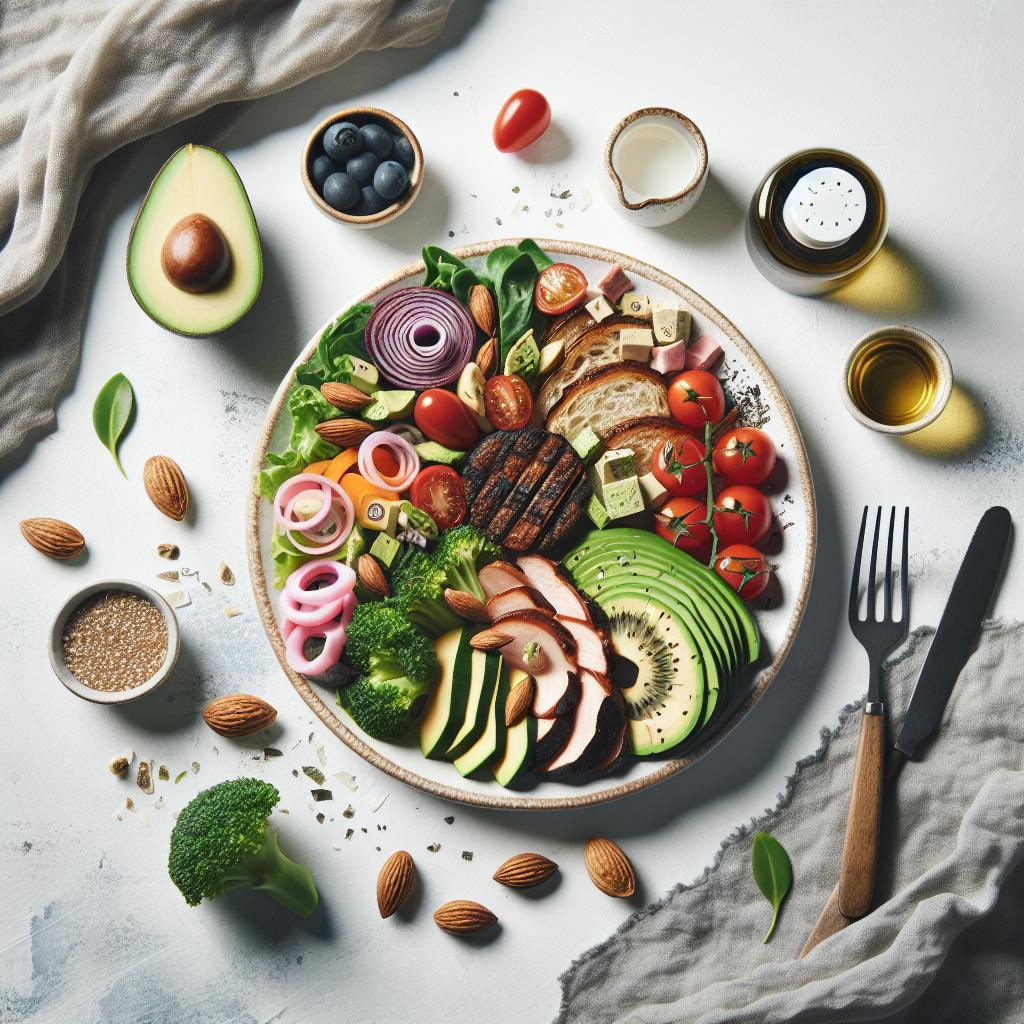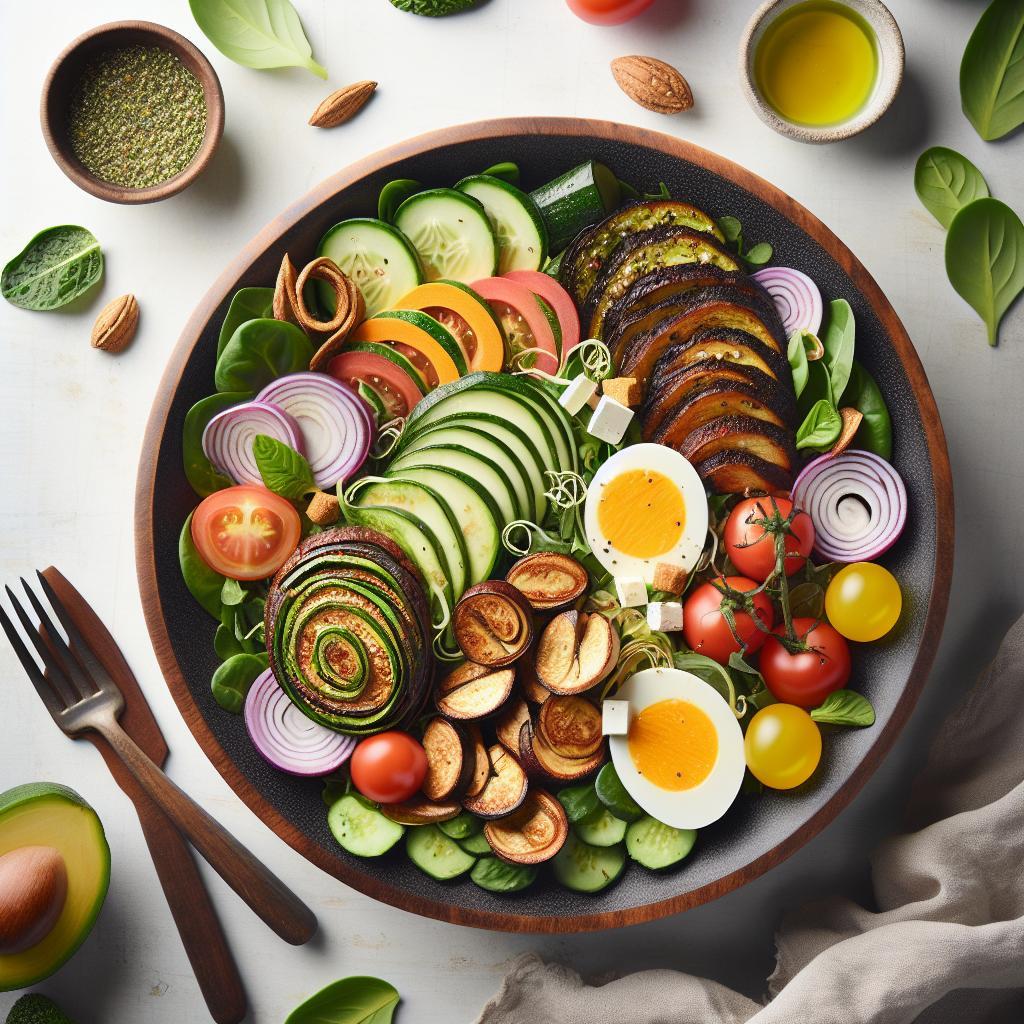

In a world increasingly tuned to sustainability, the zero-waste movement is more than just a trend-it’s a lifestyle revolution. Now, imagine blending that eco-conscious spirit with the buzzworthy benefits of the ketogenic diet. Welcome to the Zero-Waste Keto Kitchen: your ultimate guide to crafting delicious, low-carb meals while minimizing food waste and shrinking your environmental footprint. This isn’t just about eating healthy; it’s about nurturing the planet as thoughtfully as you nurture your body. From smart meal planning and creative ingredient swaps to savvy storage hacks and composting tips, this guide will transform your keto journey into a sustainable culinary adventure, proving that flavor and eco-friendliness can thrive beautifully side by side.
Zero-Waste Keto Kitchen: Mastering Meal Prep to Minimize Waste and Maximize Flavor
Zero-Waste Keto Kitchen principles inspire creativity and sustainability, transforming meal prep into a mindful, mouthwatering experience that leaves no ingredient behind. Whether you’re aiming to reduce your carbon footprint or simply get the most from your groceries, this approach celebrates every bite and scrap. Today, we dive into a vibrant recipe that elegantly combines sustainability with keto-friendly indulgence: Zucchini Noodle Stir-Fry with Crispy Chicken Skin & Herb Pesto. A dish that will awaken your palate while honoring every morsel, making waste a thing of the past.
Prep and Cook Time
- Prep Time: 20 minutes
- Cook Time: 15 minutes
- Total Time: 35 minutes
Yield
Serves 4
Difficulty Level
Medium
Ingredients
- 4 medium zucchini, spiralized into noodles (reserve ends for vegetable stock)
- 200g chicken skin, patted dry and chopped
- 2 tbsp olive oil
- 1 cup fresh basil leaves
- ½ cup fresh parsley
- 2 cloves garlic, minced
- ¼ cup grated Parmesan cheese
- ¼ cup pine nuts (substitute with toasted walnuts from scraps if desired)
- Salt and freshly ground black pepper, to taste
- Juice of ½ lemon
- 1 small onion, finely chopped (use peels for broth)
- Vegetable scraps (ends of zucchini, onion skins, herb stems) reserved for stock
Instructions
- Prepare the Chicken Skin: Heat 1 tbsp olive oil in a large nonstick skillet over medium heat. Add the chopped chicken skin and sauté until golden brown and crispy, approximately 7 minutes. Stir occasionally to prevent sticking. Once crisp, remove with a slotted spoon and set aside on paper towels to drain excess fat.
- Make the Herb Pesto: In a food processor, combine basil, parsley, garlic, Parmesan, and pine nuts. Pulse until finely blended. While processing, gradually add 3 tbsp olive oil and lemon juice until smooth. Season with salt and pepper to taste. Set aside.
- Sauté the Zucchini Noodles: Using the same skillet, add remaining olive oil and sauté the onion until translucent, about 3 minutes. Add the zucchini noodles and a pinch of salt. Cook for 2-3 minutes until just tender but still al dente. Avoid overcooking to preserve texture and nutrients.
- Combine and Serve: Toss zucchini noodles with herb pesto, stirring gently to coat each strand evenly. Top with crispy chicken skin and garnish with extra parmesan or pine nuts if desired. Serve immediately for best texture and flavor.
- Zero-Waste Bonus: Use the reserved vegetable scraps and chicken bones to simmer a rich, flavorful stock, perfect as a base for keto soups or sauces, closing the loop on every ingredient.
Chef’s Notes: Tips for Success
- Variations: Swap zucchini for spiralized daikon or cucumber noodles for a fresh twist. For nut-free pesto, substitute pine nuts with hemp seeds or pumpkin seeds.
- Make-Ahead: Prepare pesto up to 2 days ahead and store in the fridge in an airtight container. Crispy chicken skin is best freshly cooked but can be reheated briefly in a hot pan.
- Waste-Minimizing Tip: Collect and freeze all vegetable scraps immediately. When you have about 4 cups, simmer gently for an hour with water and herbs from stems for an ultra-flavorful, zero-waste stock.
- Texture Troubleshooting: If zucchini noodles release too much water, salt lightly and drain for 10 minutes before sautéing to keep them crisp.
Serving Suggestions
This dish shines as a stand-alone meal for lunch or dinner, balancing fresh garden flavors with crispy, savory textures. Serve with a crisp, chilled glass of dry white wine or sparkling water infused with cucumber slices. Garnish with edible flowers or extra fresh herbs to elevate presentation. Pair alongside a keto-friendly salad or your favorite zero-waste roasted vegetable medley for a vibrant, nutrient-rich plate.
| Nutrient | Per Serving |
|---|---|
| Calories | 350 kcal |
| Protein | 22g |
| Carbohydrates | 7g (Net Carbs 4g) |
| Fat | 26g |

Discover more nourishing keto meal prep ideas in our complete keto meal prep guide. For detailed insights on sustainable cooking techniques, visit EPA’s Sustainable Materials Management for expert recommendations.
Q&A
Q&A: Zero-Waste Keto Kitchen: Your Ultimate Eco-Friendly Guide
Q1: What exactly is a zero-waste keto kitchen?
A1: A zero-waste keto kitchen is where low-carb, high-fat ketogenic cooking meets mindful sustainability. It’s all about crafting keto-friendly meals while drastically minimizing food scraps, packaging waste, and energy consumption. Think of it as keto with a green heart-delicious and eco-conscious!
Q2: How can I start reducing waste while following the keto diet?
A2: Begin with smart shopping: bring your own reusable bags and containers, buy bulk nuts, seeds, and spices to cut down on plastic packaging, and choose fresh, unpackaged produce. Plan your meals meticulously to avoid overbuying, and repurpose leftovers into creative dishes like cauliflower hash or zucchini fritters.
Q3: Are there common keto staples that lend themselves well to zero-waste practices?
A3: Absolutely! Ingredients like eggs, nuts, leafy greens, and avocados typically come with minimal packaging. Plus, bones and vegetable scraps become nutrient-rich stock or compost. Coconut oil and ghee often come in glass jars, perfect for reusing.
Q4: What are some zero-waste hacks for cooking keto meals?
A4: Embrace batch cooking to save energy and prevent spoilage. Use silicone baking mats instead of parchment paper. Compost your vegetable peels and coffee grounds. Freeze herbs in ice cube trays with olive oil. And always store leftovers in glass containers instead of plastic bags.
Q5: Can following a zero-waste approach on keto also save me money?
A5: Definitely! Buying in bulk, minimizing food waste, and reusing kitchen staples like jars and cloth bags can cut down expenses. Plus, making your own keto condiments, such as dressings and mayo, reduces packaging waste and gives you control over ingredients and costs.
Q6: Is eco-friendly keto challenging for busy lifestyles?
A6: It can be at first, but with a little planning, it becomes second nature. Prepping ingredients in advance, batch cooking, and keeping staple zero-waste keto recipes handy make it manageable. Remember, every small action counts and creates a ripple effect toward sustainability.
Q7: How does zero-waste keto benefit the environment?
A7: By reducing food waste, cutting down plastic use, and encouraging composting, zero-waste keto lowers greenhouse gas emissions and landfill contributions. It promotes a circular food system where nothing edible or biodegradable goes to waste-helping you keto your way to a healthier planet!
Q8: Where can I find resources or tools to help with my zero-waste keto journey?
A8: Check out eco-conscious keto blogs, zero-waste cooking groups, and apps that help track food inventories and meal plans. Many communities also host swap meets or bulk buy clubs. Plus, investing in reusable kitchen essentials like beeswax wraps and glass jars can elevate your zero-waste game.
Q9: What’s the biggest tip for anyone wanting to embrace the zero-waste keto kitchen?
A9: Start small and embrace imperfection. The goal isn’t a perfect zero-waste kitchen overnight but making mindful choices that cumulatively reduce waste. Celebrate your progress, get creative with scraps, and share your journey-it’s all part of cultivating a genuinely sustainable keto lifestyle.
Final Thoughts
As we wrap up this journey through the Zero-Waste Keto Kitchen, remember that every small choice ripples outward-transforming not just your plate, but the planet, too. By blending the principles of keto with eco-conscious practices, you’re crafting a lifestyle that nourishes your body and honors the Earth. Embrace the art of mindful cooking, waste reduction, and resourceful living, turning your kitchen into a sanctuary of sustainability. After all, the ultimate recipe for a better tomorrow starts with what we cook today. So, tie on that apron, compost those scraps, and savor the delicious balance of health and harmony-one zero-waste keto meal at a time.